 PlantFun
Eastern Arborvitae Toxic?

All parts of the plant are severely toxic, containing thujone, tropolones and picric acid that damage internal organs
Horses, goats and sheep are highly susceptible to poisoning, while cattle appear to be unaffected by ingestion
It is easily confused with other toxic Thuja species, Lawson's false cypress and Mediterranean cypress
FAQ
Is Eastern Arborvitae toxic to Humans?
Gastroenteritis, cramps, liver and kidney damage accompanied by abnormal urine output (polyuria or oliguria) (Severe)
Is Eastern Arborvitae toxic to Cats?
No specific clinical cases recorded, but ingestion is expected to cause gastrointestinal distress, cramps and potential liver/kidney injury (High)
Is Eastern Arborvitae toxic to Dogs?
No specific clinical cases recorded, but ingestion may lead to vomiting, diarrhea, neurological symptoms and organ damage (High)
Is Eastern Arborvitae toxic to Horses?
Gastroenteritis, cramps, severe liver and kidney damage with abnormal urine output; poisoning most often occurs after eating cut branches (Severe)
Toxicity Details
Gastroenteritis, cramps, liver and kidney damage accompanied by abnormal urine output (polyuria or oliguria)
No specific clinical cases recorded, but ingestion is expected to cause gastrointestinal distress, cramps and potential liver/kidney injury
No specific clinical cases recorded, but ingestion may lead to vomiting, diarrhea, neurological symptoms and organ damage
Gastroenteritis, cramps, severe liver and kidney damage with abnormal urine output; poisoning most often occurs after eating cut branches
Toxicity Snapshot
First Aid & Prevention
First 30 Minutes
- • If ingested, induce vomiting only if the affected person/animal is conscious and not experiencing seizures
- • Rinse mouth thoroughly with clean water to remove remaining plant residue
- • Administer activated charcoal to absorb unprocessed toxins if medically appropriate
Contact Vet Immediately
- • If ingestion of any quantity of the plant is confirmed
- • If symptoms like vomiting, diarrhea, seizures or abnormal urine output appear
- • If the exposed animal is a horse, goat or sheep (high risk groups)
Prevention
- • Keep the plant out of reach of pets, and do not dispose of cut branches in grazing areas for livestock
- • Train farm staff and pet owners to distinguish this toxic plant from non-toxic coniferous species
- • Avoid planting this species near pastures or areas where horses, goats or sheep have access
Treatment & Prognosis
- • Perform gastrointestinal decontamination including emesis, activated charcoal administration or gastric lavage as appropriate
- • Provide intravenous fluid support to protect liver and kidney function and maintain normal urine output
- • Monitor organ function and clinical symptoms for 24-72 hours after exposure
Professional Toxicology
• Thujone and other toxic compounds irritate the gastrointestinal mucosa, disrupt nervous system signaling, and cause oxidative damage to liver and kidney cells
Information from CliniTox veterinary text.
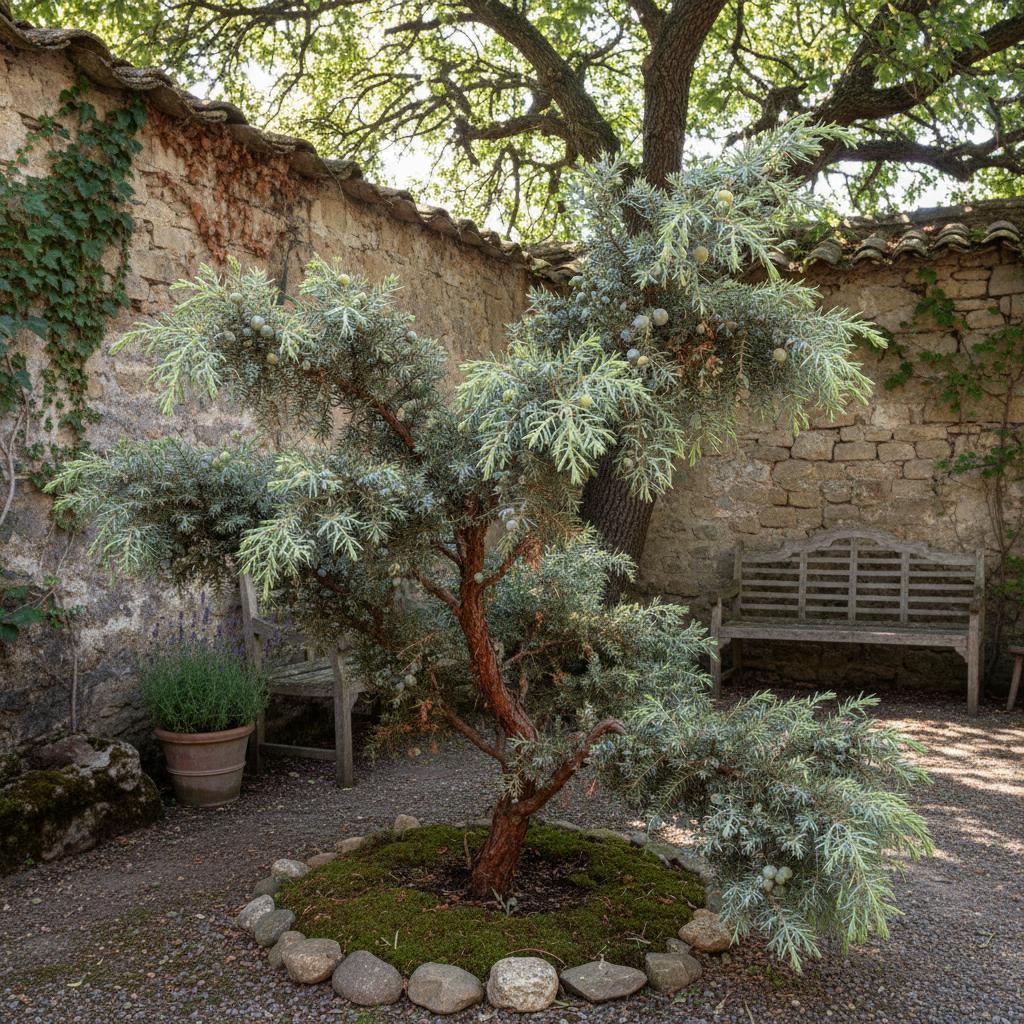
The following plants look similar and may be confused:
Related Toxic Plants


Download PlantFun App
Identify, grow and care for plants effectively!
Instant Plant ID
Take a photo to quickly identify plants.
Smart Care Reminders
Generate watering and care schedules.
Toxicity & Disease Diagnosis
Identify toxic plants and pests with treatment advice.

Data Sources
This information is for reference only and does not constitute medical advice. If ingestion or poisoning is suspected, seek medical or veterinary attention immediately.