 PlantFun
Nephthytis Toxic?
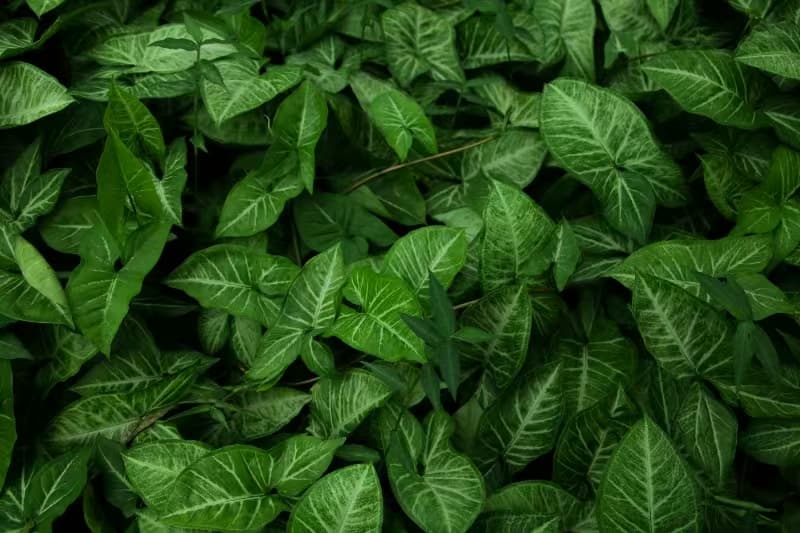
All parts of the plant are toxic, with birds facing extremely severe, potentially fatal toxicity risk
Primary toxic components are needle-shaped insoluble calcium oxalate crystals and soluble oxalate salts
High doses can cause organ damage, heart arrhythmia, and neurological symptoms beyond standard mucosal irritation
FAQ
Is Nephthytis toxic to Humans?
Salivation, vomiting, diarrhea, gum/gastrointestinal/uterine bleeding, difficulty swallowing, throat swelling, shortness of breath; high doses may cause seizures, uncoordinated movement, low blood pressure, heart arrhythmia, liver and kidney damage (Moderate)
Is Nephthytis toxic to Cats?
Oral pain, mouth/tongue/lip swelling, excessive drooling, vomiting, difficulty swallowing, diarrhea, potential gastrointestinal bleeding; high doses may cause organ damage (Moderate)
Is Nephthytis toxic to Dogs?
Oral pain, mouth/tongue/lip swelling, excessive drooling, vomiting, difficulty swallowing, diarrhea, potential gastrointestinal bleeding; high doses may cause organ damage (Moderate)
Is Nephthytis toxic to Horses?
Oral irritation, mouth swelling, excessive drooling, difficulty swallowing, diarrhea (no vomiting observed); high doses may lead to organ damage, heart arrhythmia, and neurological symptoms (Moderate)
Toxicity Details
Salivation, vomiting, diarrhea, gum/gastrointestinal/uterine bleeding, difficulty swallowing, throat swelling, shortness of breath; high doses may cause seizures, uncoordinated movement, low blood pressure, heart arrhythmia, liver and kidney damage
Oral pain, mouth/tongue/lip swelling, excessive drooling, vomiting, difficulty swallowing, diarrhea, potential gastrointestinal bleeding; high doses may cause organ damage
Oral pain, mouth/tongue/lip swelling, excessive drooling, vomiting, difficulty swallowing, diarrhea, potential gastrointestinal bleeding; high doses may cause organ damage
Oral irritation, mouth swelling, excessive drooling, difficulty swallowing, diarrhea (no vomiting observed); high doses may lead to organ damage, heart arrhythmia, and neurological symptoms
Toxicity Snapshot
First Aid & Prevention
First 30 Minutes
- • Remove all remaining plant material from the mouth/skin, and rinse affected areas with cool clean water for 10-15 minutes
- • Offer small sips of water or milk to dilute toxins if ingested; do not induce vomiting unless instructed by a medical professional or veterinarian
- • Monitor for swelling, difficulty breathing, or severe pain, and record the approximate amount of plant ingested for medical providers
Contact Vet Immediately
- • If the affected individual develops difficulty breathing, difficulty swallowing, or excessive mouth/throat swelling
- • If vomiting, diarrhea, bleeding, or neurological symptoms (seizures, uncoordinated movement) appear
- • If a large quantity of plant was ingested, or the affected party is a bird, young child, or small pet
Prevention
- • Keep the plant out of reach of children, pets, and livestock, especially birds that face extreme toxicity risk
- • Wear gloves when handling the plant to avoid sap contact with skin or mucous membranes
- • Clearly label the plant as toxic if kept in shared household or public garden spaces
Treatment & Prognosis
- • Perform decontamination of affected areas and provide targeted symptomatic care as clinically indicated
- • Administer analgesics for pain, antihistamines if required, and glucocorticoids to reduce severe swelling
- • Provide calcium supplementation for very large ingestions, and monitor liver and kidney function for signs of damage
Professional Toxicology
• Needle-shaped calcium oxalate raphides penetrate mucous membranes on contact, causing immediate pain, swelling, and local irritation
• Soluble oxalates bind to calcium in the body, leading to hypocalcemia, organ damage, and heart rhythm abnormalities in cases of high exposure
Information from CliniTox veterinary text.
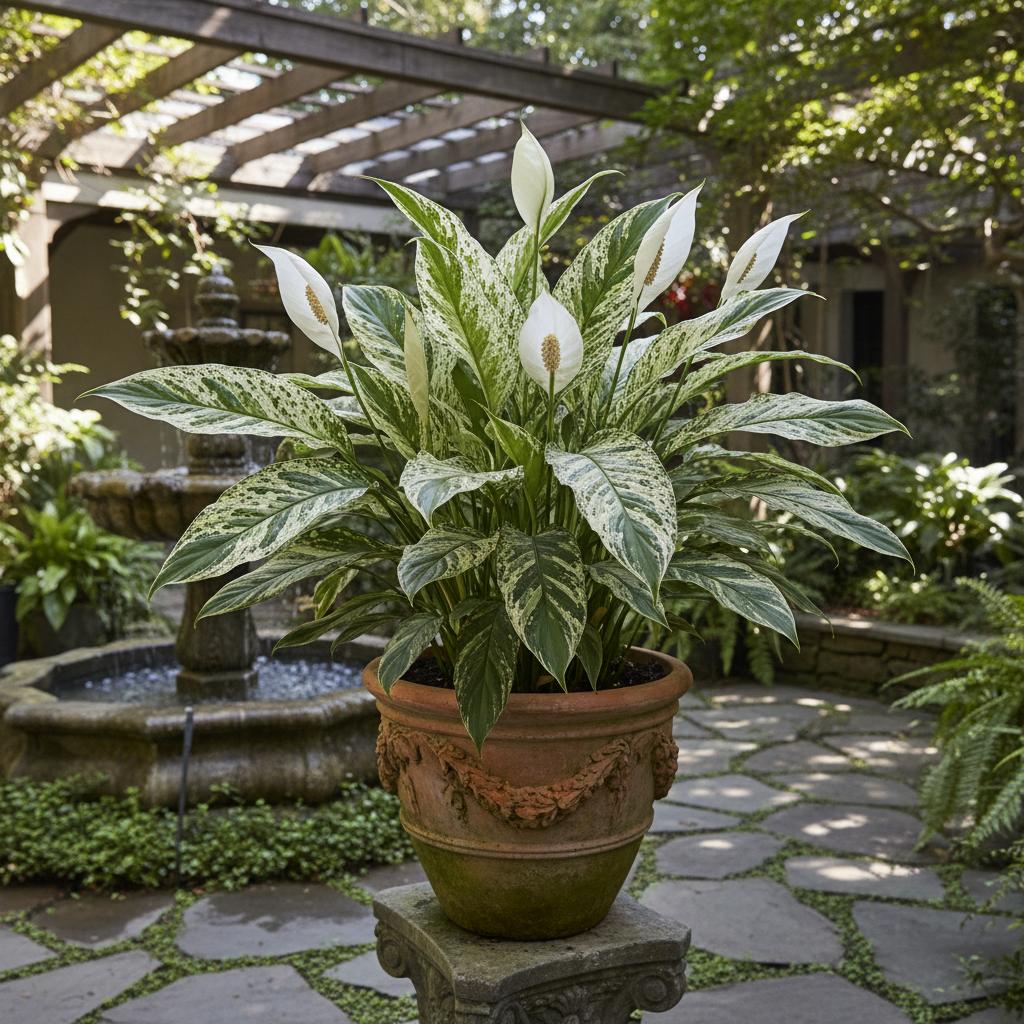
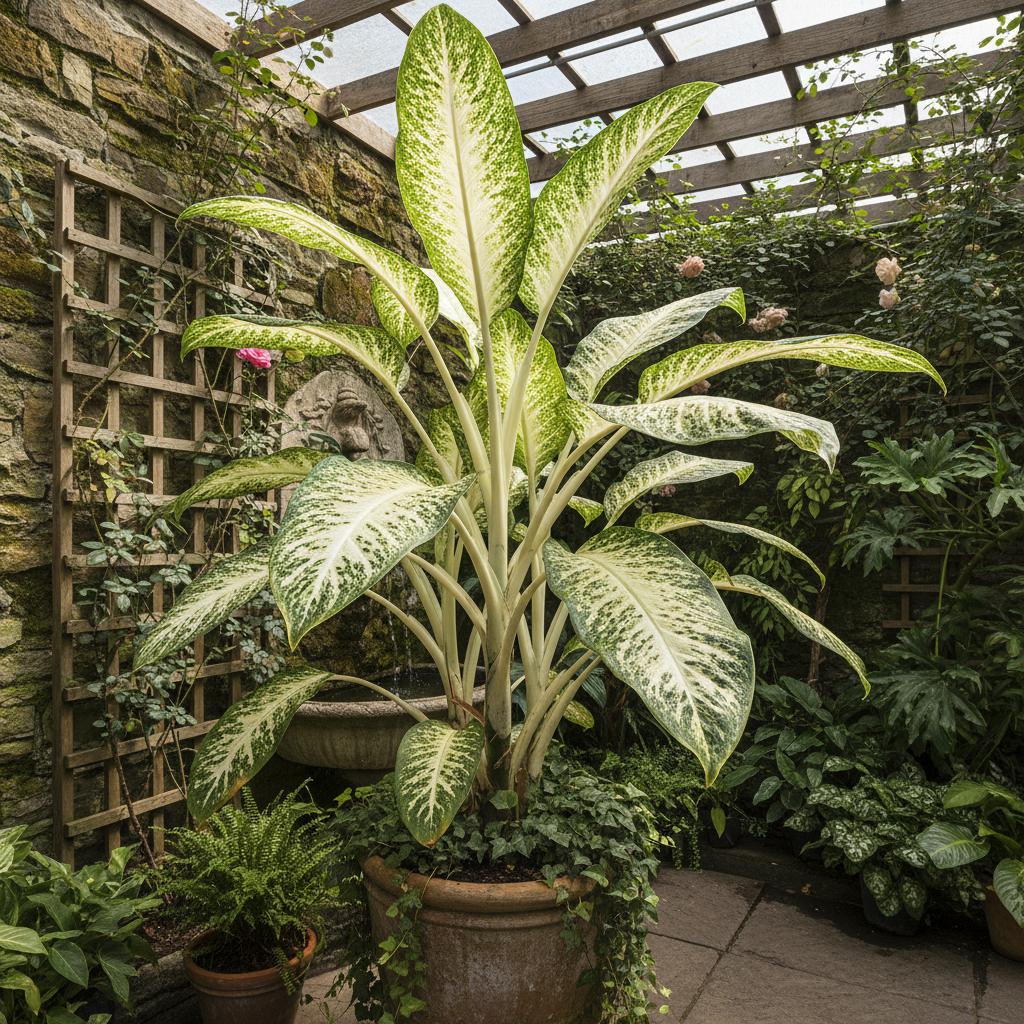
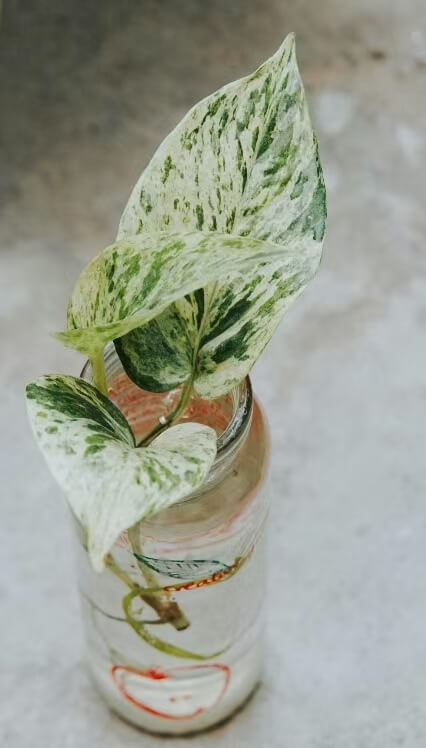
The following plants look similar and may be confused:
Related Toxic Plants
Download PlantFun App
Identify, grow and care for plants effectively!
Instant Plant ID
Take a photo to quickly identify plants.
Smart Care Reminders
Generate watering and care schedules.
Toxicity & Disease Diagnosis
Identify toxic plants and pests with treatment advice.

Data Sources
This information is for reference only and does not constitute medical advice. If ingestion or poisoning is suspected, seek medical or veterinary attention immediately.