 PlantFun
Bird's Tongue Flower Toxic?

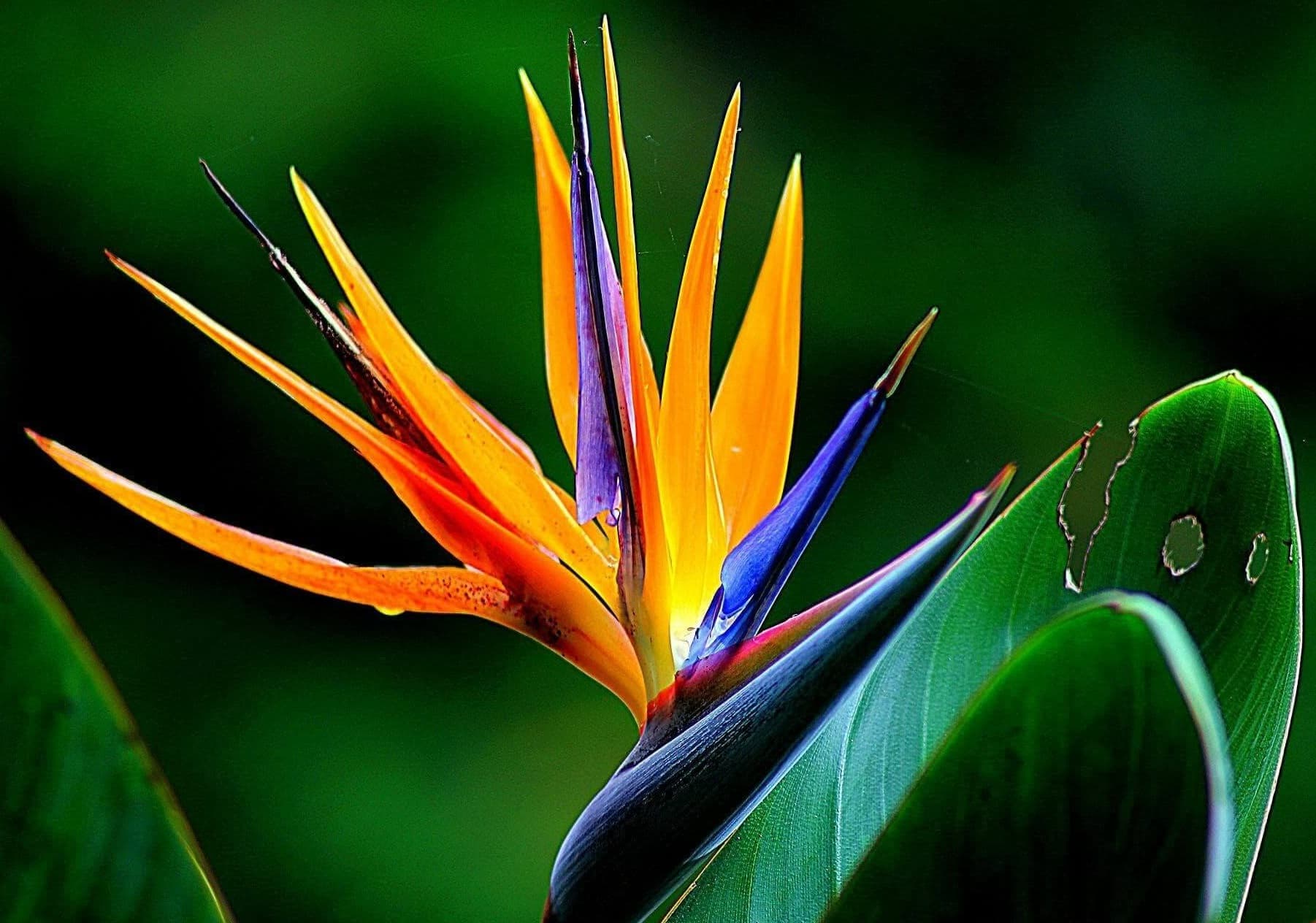
Strelitzia reginae is confirmed toxic to cats, dogs and horses per official ASPCA data
Only the plant's fruits and seeds contain components that cause negative health effects
It is frequently confused with the far more toxic Caesalpinia gilliesii, which shares the common name Bird of Paradise
FAQ
Is Bird's Tongue Flower toxic to Humans?
No formal clinical human toxicity data available; precautionary guidance notes ingestion may cause mild nausea and gastrointestinal upset (Low)
Is Bird's Tongue Flower toxic to Cats?
Mild nausea, vomiting, drowsiness (Low)
Is Bird's Tongue Flower toxic to Dogs?
Mild nausea, vomiting, drowsiness (Low)
Is Bird's Tongue Flower toxic to Horses?
Mild nausea, vomiting, drowsiness (Low)
Toxicity Details
No formal clinical human toxicity data available; precautionary guidance notes ingestion may cause mild nausea and gastrointestinal upset
Mild nausea, vomiting, drowsiness
Mild nausea, vomiting, drowsiness
Mild nausea, vomiting, drowsiness
Toxicity Snapshot
First Aid & Prevention
First 30 Minutes
- • Remove all remaining plant fragments (fruit/seed pieces) from the affected animal's mouth immediately
- • Offer small amounts of fresh water to dilute residual toxic material in the digestive tract
- • Record the approximate time of ingestion and quantity of plant material consumed for veterinary reference
Contact Vet Immediately
- • If vomiting persists for longer than 2 hours after ingestion
- • If the animal exhibits extreme lethargy, loss of coordination or refusal to eat/drink
- • If a large quantity of fruit/seeds was consumed, especially by small cat/dog breeds
Prevention
- • Keep potted Strelitzia reginae out of reach of pets and livestock, and collect fallen seed pods promptly
- • Label plants clearly to avoid confusion with more toxic lookalikes that share the 'Bird of Paradise' common name
- • Do not feed any part of the plant to cats, dogs or horses as a treat or forage
Treatment & Prognosis
- • Veterinarians may administer oral activated charcoal to absorb unprocessed residual toxic material in the gut
- • Anti-emetic medications may be provided to control persistent vomiting
- • Supportive fluid therapy may be administered for animals with dehydration from prolonged vomiting
Professional Toxicology
• Toxic compounds in fruits and seeds irritate the gastrointestinal tract mucosa, and produce mild sedative effects on the central nervous system
Information from CliniTox veterinary text.
The following plants look similar and may be confused:
Related Toxic Plants

Download PlantFun App
Identify, grow and care for plants effectively!
Instant Plant ID
Take a photo to quickly identify plants.
Smart Care Reminders
Generate watering and care schedules.
Toxicity & Disease Diagnosis
Identify toxic plants and pests with treatment advice.

Data Sources
This information is for reference only and does not constitute medical advice. If ingestion or poisoning is suspected, seek medical or veterinary attention immediately.