 PlantFun
Canada goldenrod Toxic?

No published animal poisoning cases involving Solidago canadensis are recorded in available scientific literature.
The species is not suitable for animal feed, and is classified as toxic per the 2003 research of Dietl & Jorquera.
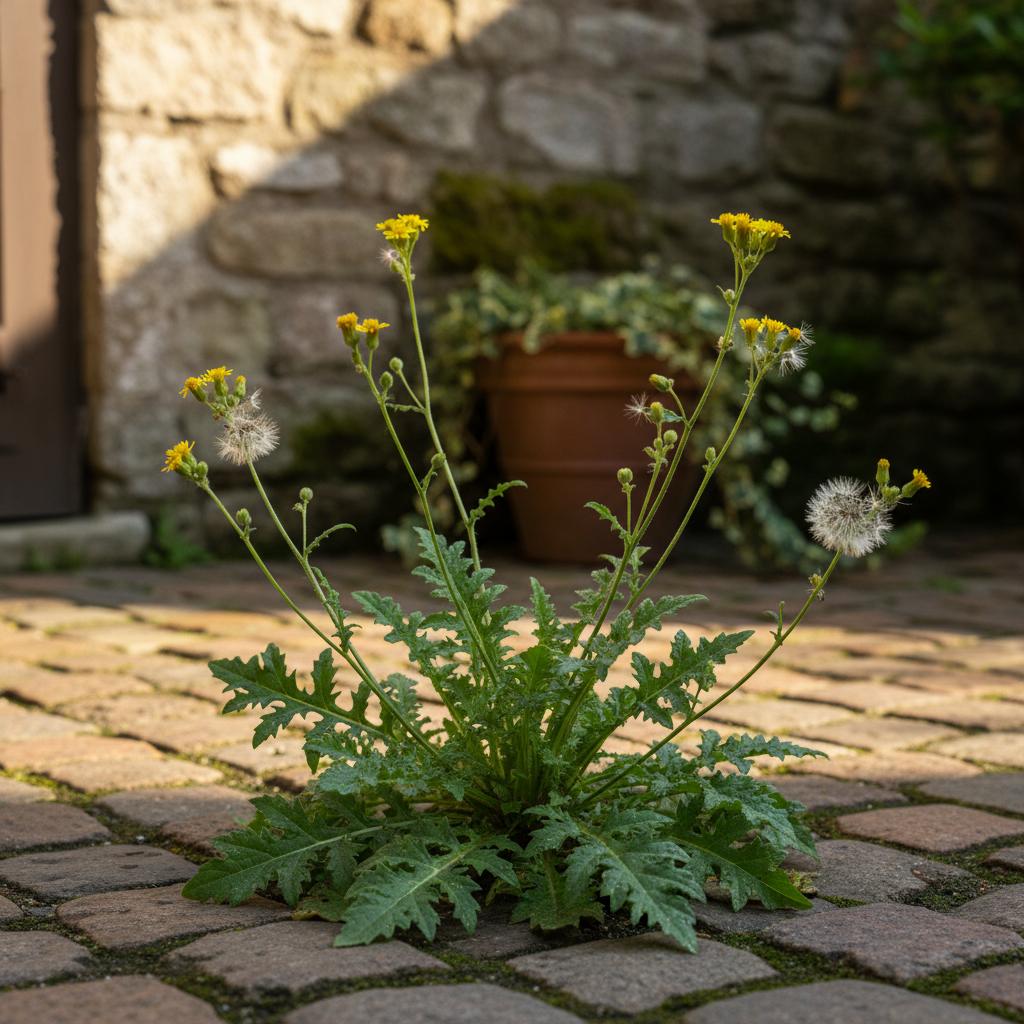
It is easily confused with the highly toxic common ragwort, which poses severe risks to all livestock species.
FAQ
Is Canada goldenrod toxic to Humans?
No specific poisoning symptoms documented in humans to date. (Non-toxic)
Is Canada goldenrod toxic to Cats?
No specific poisoning symptoms documented in cats to date. (Non-toxic)
Is Canada goldenrod toxic to Dogs?
No specific poisoning symptoms documented in dogs to date. (Non-toxic)
Is Canada goldenrod toxic to Horses?
No specific poisoning symptoms documented in horses to date. (Low)
Toxicity Details
No specific poisoning symptoms documented in humans to date.
No specific poisoning symptoms documented in cats to date.
No specific poisoning symptoms documented in dogs to date.
No specific poisoning symptoms documented in horses to date.
Toxicity Snapshot
First Aid & Prevention
First 30 Minutes
- • If ingested by a person or pet, rinse any remaining plant matter from the mouth with clean water
- • Monitor the exposed individual for unusual symptoms for 24 hours following ingestion
- • Do not induce vomiting unless explicitly instructed to do so by a medical or veterinary professional
Contact Vet Immediately
- • If your animal exhibits unusual symptoms (vomiting, diarrhea, lethargy) after consuming the plant
- • If a large quantity of the plant was ingested by a small pet or grazing animal
- • If you are uncertain if the consumed plant is Canada goldenrod or the highly toxic lookalike ragwort
Prevention
- • Do not plant Canada goldenrod in pastures or areas accessible to grazing livestock
- • Learn to distinguish between Canada goldenrod and the highly toxic common ragwort to avoid misidentification
- • Never feed unknown wild forage to pets, horses, or other livestock
Treatment & Prognosis
- • No specific antidote exists; treatment is supportive based on any presented symptoms
- • If ingestion of the toxic lookalike ragwort is suspected, seek immediate veterinary care for decontamination and liver support
- • For minor incidental ingestion, no medical intervention is typically required unless symptoms develop
Professional Toxicology
• Toxic mechanism for this species has not been identified in existing scientific research
Information from CliniTox veterinary text.
The following plants look similar and may be confused:
Related Toxic Plants


Download PlantFun App
Identify, grow and care for plants effectively!
Instant Plant ID
Take a photo to quickly identify plants.
Smart Care Reminders
Generate watering and care schedules.
Toxicity & Disease Diagnosis
Identify toxic plants and pests with treatment advice.

Data Sources
This information is for reference only and does not constitute medical advice. If ingestion or poisoning is suspected, seek medical or veterinary attention immediately.