 PlantFun
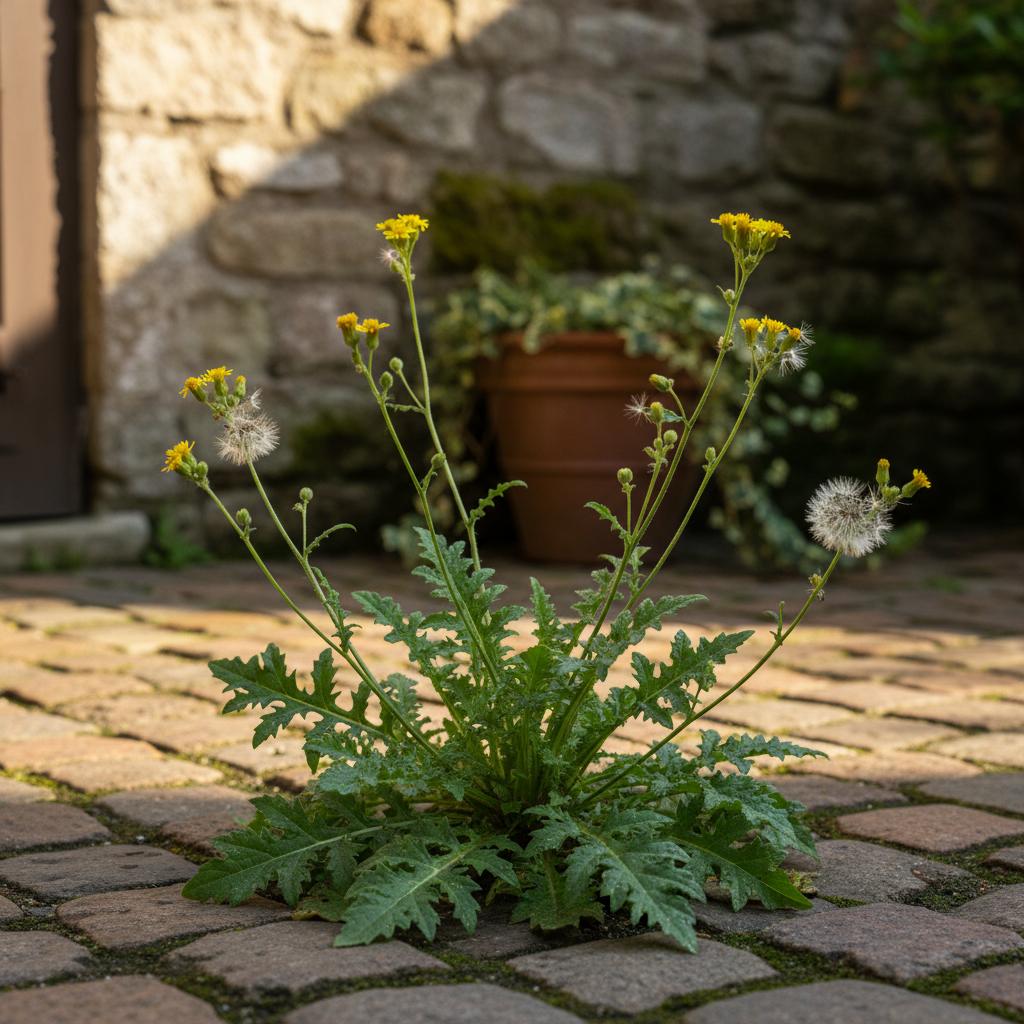
Ragwort Toxic?
Toxic to cats, dogs, and horses; poisoning most often occurs when no other forage is available or the plant is mixed into hay.
Pyrrolizidine alkaloid toxins cause irreversible liver damage, referred to as 'walking disease' or 'sleepy staggers' in affected animals.
Symptoms may not appear immediately after ingestion, but progress rapidly over 1 to 7 days once onset occurs.
FAQ
Is Ragwort toxic to Humans?
No specific clinical data provided; ingestion of large quantities may cause liver damage, abdominal pain, vomiting, and jaundice. (Low)
Is Ragwort toxic to Cats?
Vomiting, diarrhea, anorexia, depression, weakness, ataxia, yellowing of mucous membranes, liver failure, secondary neurologic abnormalities. (High)
Is Ragwort toxic to Dogs?
Vomiting, diarrhea, loss of appetite, lethargy, uncoordinated movement, jaundice, liver damage, unusual neurologic behaviors. (High)
Is Ragwort toxic to Horses?
Weight loss, weakness, excessive sleepiness, frequent yawning, incoordination, jaundice, aimless walking, chewing motions, head pressing, rapid progression to liver failure. (High)
Toxicity Details
No specific clinical data provided; ingestion of large quantities may cause liver damage, abdominal pain, vomiting, and jaundice.
Vomiting, diarrhea, anorexia, depression, weakness, ataxia, yellowing of mucous membranes, liver failure, secondary neurologic abnormalities.
Vomiting, diarrhea, loss of appetite, lethargy, uncoordinated movement, jaundice, liver damage, unusual neurologic behaviors.
Weight loss, weakness, excessive sleepiness, frequent yawning, incoordination, jaundice, aimless walking, chewing motions, head pressing, rapid progression to liver failure.
Toxicity Snapshot
First Aid & Prevention
First 30 Minutes
- • Remove all access to the plant and any potentially contaminated hay/feed immediately.
- • If ingestion was witnessed within the last 2 hours, induce vomiting in dogs/cats only under explicit veterinary guidance.
- • Collect any remaining plant material for accurate identification by a veterinary toxicologist.
Contact Vet Immediately
- • If you witness your pet or horse ingesting any amount of ragwort.
- • If your animal shows signs including jaundice, uncoordinated movement, lethargy, or unusual neurologic behavior.
- • If your hay or forage supplies are suspected to be contaminated with ragwort.
Prevention
- • Inspect all hay and forage supplies for ragwort contamination before feeding to animals.
- • Remove all ragwort plants from pastures, yards, and areas accessible to pets and livestock.
- • Provide adequate high-quality forage to animals to discourage ingestion of unpalatable toxic plants.
Treatment & Prognosis
- • Veterinary supportive care including IV fluids, liver protectant medications, and targeted nutritional support.
- • Decontamination procedures (induced vomiting, activated charcoal) for recent ingestions in small animals.
- • Symptomatic management of neurologic symptoms, though prognosis is poor once significant irreversible liver damage occurs.
Professional Toxicology
• Pyrrolizidine alkaloids are metabolized in the liver into reactive toxic products that cause progressive, irreversible hepatocellular necrosis and liver failure.
Information from CliniTox veterinary text.
The following plants look similar and may be confused:
Related Toxic Plants


Download PlantFun App
Identify, grow and care for plants effectively!
Instant Plant ID
Take a photo to quickly identify plants.
Smart Care Reminders
Generate watering and care schedules.
Toxicity & Disease Diagnosis
Identify toxic plants and pests with treatment advice.

Data Sources
This information is for reference only and does not constitute medical advice. If ingestion or poisoning is suspected, seek medical or veterinary attention immediately.