 PlantFun
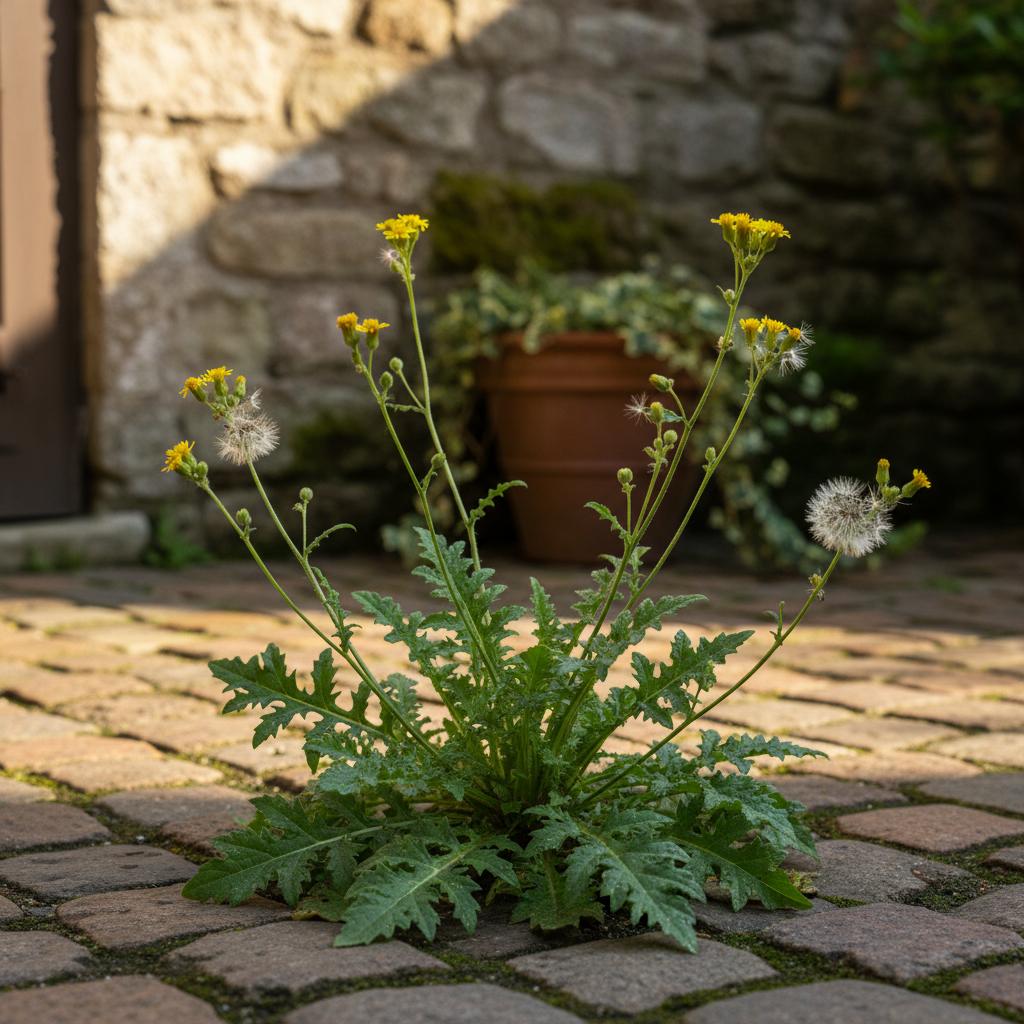
Marsh ragwort Toxic?
Contains heat-stable pyrrolizidine alkaloids that remain toxic in dry fodder, silage, and even after cooking
Poisoning has no effective curative treatment, acute cases are usually fatal within days, chronic symptoms can appear up to 6 months post-exposure
Pigs, horses, cattle, and chickens are the most sensitive species to its toxic effects
FAQ
Is Marsh ragwort toxic to Humans?
No confirmed human poisoning reports in available datasets; pyrrolizidine alkaloid exposure is linked to irreversible liver damage with repeated ingestion (Moderate)
Is Marsh ragwort toxic to Cats?
No specific cat toxicity or symptom data documented in available records (Low)
Is Marsh ragwort toxic to Dogs?
No specific dog toxicity or symptom data documented in available records (Low)
Is Marsh ragwort toxic to Horses?
Causes seneciosis (Schweinsberger disease); acute poisoning is often fatal within days, chronic symptoms develop 3 days to 6 months after ingestion with progressive deterioration (Severe)
Toxicity Details
No confirmed human poisoning reports in available datasets; pyrrolizidine alkaloid exposure is linked to irreversible liver damage with repeated ingestion
No specific cat toxicity or symptom data documented in available records
No specific dog toxicity or symptom data documented in available records
Causes seneciosis (Schweinsberger disease); acute poisoning is often fatal within days, chronic symptoms develop 3 days to 6 months after ingestion with progressive deterioration
Toxicity Snapshot
First Aid & Prevention
First 30 Minutes
- • Immediately remove all access to marsh ragwort or potentially contaminated feed, hay, or silage
- • Collect samples of any ingested plant or feed for official identification if poisoning is suspected
- • Do not induce vomiting in affected animals unless explicitly instructed by a licensed veterinarian
Contact Vet Immediately
- • Any confirmed or suspected ingestion of marsh ragwort by sensitive species (horses, cattle, pigs, chickens)
- • Appearance of unexplained lethargy, jaundice, or weight loss in animals with access to marsh ragwort
- • Detection of marsh ragwort in harvested pasture, hay, or silage supplies
Prevention
- • Conduct regular inspections of pastures and feed sources to remove all marsh ragwort plants before animal access or harvest
- • Avoid harvesting hay or producing silage from areas with confirmed marsh ragwort infestations
- • Train animal caretakers and pet owners to accurately identify marsh ragwort to prevent accidental exposure
Treatment & Prognosis
- • No curative treatment exists for marsh ragwort poisoning, as liver damage from pyrrolizidine alkaloids is irreversible
- • Administer veterinary-supervised supportive care to reduce discomfort and slow disease progression in affected animals
- • Implement long-term liver function monitoring for animals that have consumed small quantities of the plant
Professional Toxicology
• Pyrrolizidine alkaloids are metabolized in the liver to reactive pyrrole intermediates that cause irreversible hepatocellular damage and veno-occlusive disease
• Toxic compounds are heat-stable, so remain active in dry fodder, silage, and even after cooking
Information from CliniTox veterinary text.
The following plants look similar and may be confused:
Related Toxic Plants

Download PlantFun App
Identify, grow and care for plants effectively!
Instant Plant ID
Take a photo to quickly identify plants.
Smart Care Reminders
Generate watering and care schedules.
Toxicity & Disease Diagnosis
Identify toxic plants and pests with treatment advice.

Data Sources
This information is for reference only and does not constitute medical advice. If ingestion or poisoning is suspected, seek medical or veterinary attention immediately.