 PlantFun
Satin Pothos Toxic?

Satin Pothos is confirmed toxic to cats, dogs, and horses per ASPCA data
Its primary toxic active compound is insoluble calcium oxalate crystals
Ingestion causes oral irritation, swelling, drooling, and vomiting (vomiting does not occur in horses)
FAQ
Is Satin Pothos toxic to Humans?
Oral pain, swelling of lips, tongue and throat, excessive drooling, difficulty swallowing, mild gastrointestinal upset (Low)
Is Satin Pothos toxic to Cats?
Oral irritation, pain and swelling of the mouth, tongue and lips, excessive drooling, vomiting, difficulty swallowing (Moderate)
Is Satin Pothos toxic to Dogs?
Oral irritation, pain and swelling of the mouth, tongue and lips, excessive drooling, vomiting, difficulty swallowing (Moderate)
Is Satin Pothos toxic to Horses?
Oral irritation, pain and swelling of the mouth, tongue and lips, excessive drooling, difficulty swallowing (vomiting does not occur in horses) (Low)
Toxicity Details
Oral pain, swelling of lips, tongue and throat, excessive drooling, difficulty swallowing, mild gastrointestinal upset
Oral irritation, pain and swelling of the mouth, tongue and lips, excessive drooling, vomiting, difficulty swallowing
Oral irritation, pain and swelling of the mouth, tongue and lips, excessive drooling, vomiting, difficulty swallowing
Oral irritation, pain and swelling of the mouth, tongue and lips, excessive drooling, difficulty swallowing (vomiting does not occur in horses)
Toxicity Snapshot
First Aid & Prevention
First 30 Minutes
- • Remove any remaining plant fragments from the affected individual's mouth immediately
- • Rinse the mouth thoroughly with cool, clean water to flush out residual oxalate crystals
- • Offer small sips of cold water or milk to soothe irritation if the individual can swallow without pain
Contact Vet Immediately
- • Excessive swelling of the mouth, tongue, or throat that causes difficulty breathing
- • Persistent vomiting, lethargy, or refusal to eat or drink for more than 2 hours post-exposure
- • Severe pain or signs of gastrointestinal distress lasting longer than 4 hours
Prevention
- • Place the plant in a location completely out of reach of children, pets, and livestock
- • Wear disposable gloves when pruning or handling the plant to avoid skin irritation from sap
- • Clearly label the plant as toxic to alert visitors, caregivers, and pet sitters of the risk
Treatment & Prognosis
- • Administer oral demulcents (e.g. milk, honey, plain yogurt) to coat and soothe irritated mucous membranes for mild cases
- • Seek medical/vet care for prescription antihistamines or anti-inflammatory medications to reduce swelling and pain
- • Provide supportive airway management and monitoring in rare severe cases where breathing is impaired
Professional Toxicology
• Sharp, insoluble calcium oxalate crystals embed in soft tissues of the mouth, throat, and gastrointestinal tract, triggering localized pain, inflammation, and swelling
Information from CliniTox veterinary text.
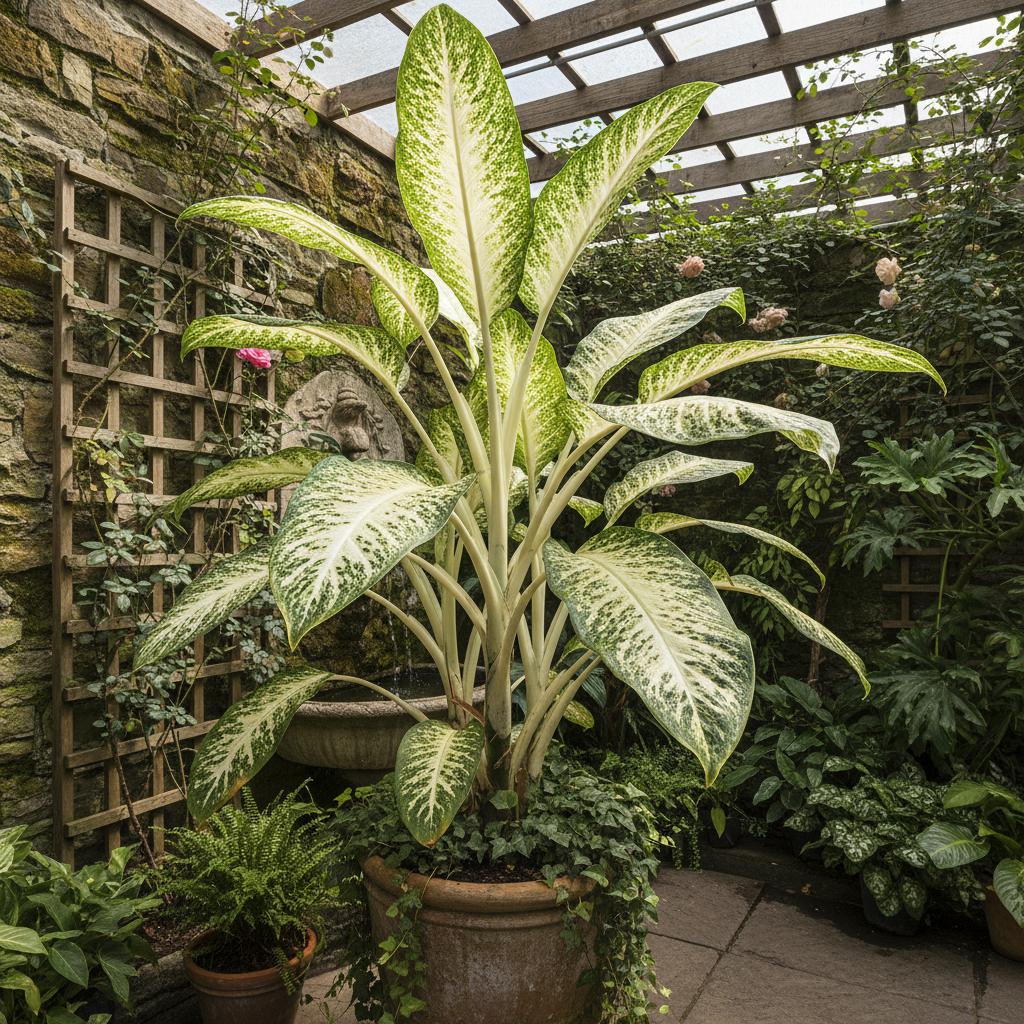
The following plants look similar and may be confused:
Related Toxic Plants


Download PlantFun App
Identify, grow and care for plants effectively!
Instant Plant ID
Take a photo to quickly identify plants.
Smart Care Reminders
Generate watering and care schedules.
Toxicity & Disease Diagnosis
Identify toxic plants and pests with treatment advice.

Data Sources
This information is for reference only and does not constitute medical advice. If ingestion or poisoning is suspected, seek medical or veterinary attention immediately.