 PlantFun
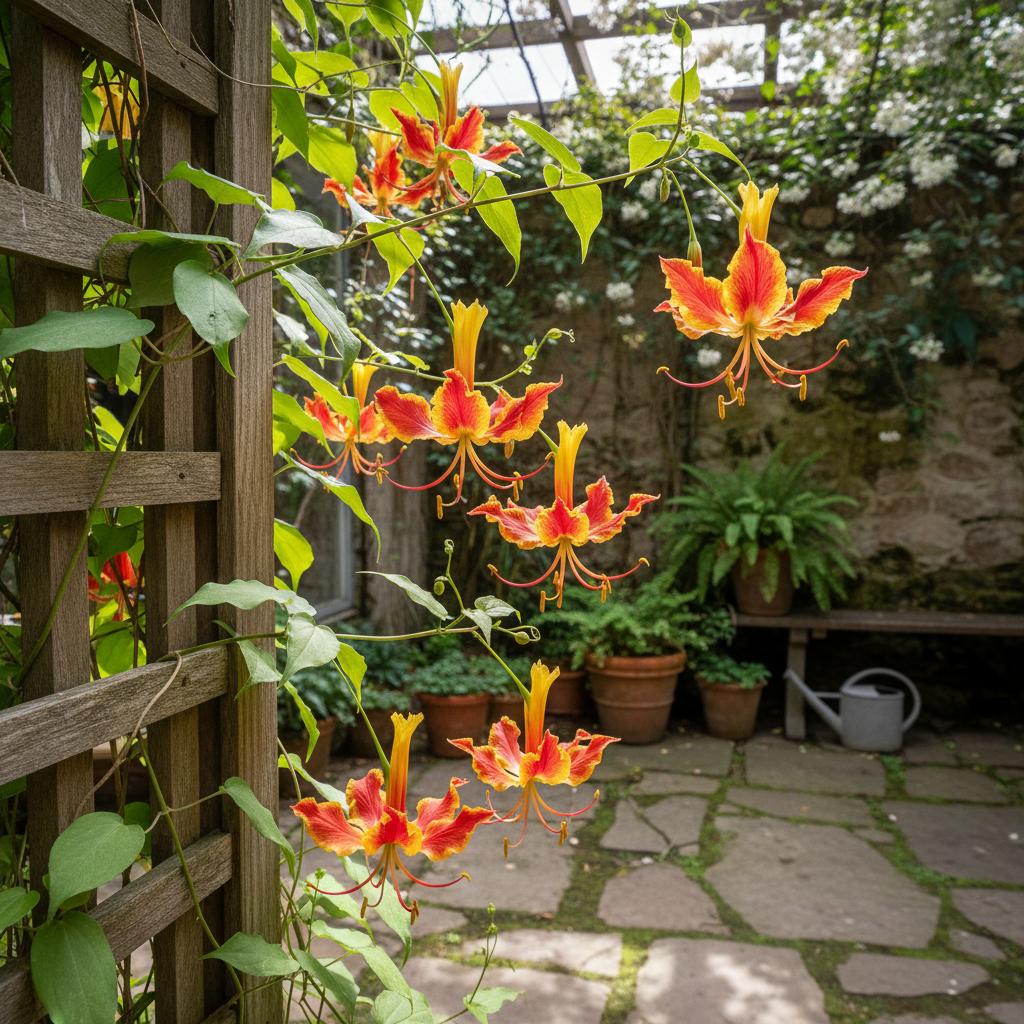
Christmas Bells Toxic?
All parts of Sandersonia aurantiaca are classified as severely toxic to humans per CliniTox ratings, with confirmed colchicine poisoning cases from ingestion.
Its toxic alkaloid profile matches that of the highly toxic Colchicum autumnale (Autumn Crocus).
It is easily confused with other visually similar plants, some of which are also toxic, raising accidental ingestion risk.
FAQ
Is Christmas Bells toxic to Humans?
Colchicine poisoning symptoms including nausea, vomiting, abdominal pain, diarrhea, multi-organ damage, and potential fatality in severe cases (Severe)
Is Christmas Bells toxic to Cats?
No confirmed toxicity data available; ingestion is strongly discouraged, may cause gastrointestinal distress and organ damage (Unknown)
Is Christmas Bells toxic to Dogs?
No confirmed toxicity data available; ingestion is strongly discouraged, may cause gastrointestinal distress and organ damage (Unknown)
Is Christmas Bells toxic to Horses?
No confirmed toxicity data available; ingestion is strongly discouraged, may cause gastrointestinal distress and organ damage (Unknown)
Toxicity Details
Colchicine poisoning symptoms including nausea, vomiting, abdominal pain, diarrhea, multi-organ damage, and potential fatality in severe cases
No confirmed toxicity data available; ingestion is strongly discouraged, may cause gastrointestinal distress and organ damage
No confirmed toxicity data available; ingestion is strongly discouraged, may cause gastrointestinal distress and organ damage
No confirmed toxicity data available; ingestion is strongly discouraged, may cause gastrointestinal distress and organ damage
Toxicity Snapshot
First Aid & Prevention
First 30 Minutes
- • If ingestion occurred within 10 minutes and the individual is fully conscious, induce vomiting carefully
- • Rinse mouth thoroughly with clean water to remove residual plant matter
- • Do not eat or drink anything unless instructed by a medical professional
- • Retain a sample of the ingested plant for medical identification
Contact Vet Immediately
- • If your pet or livestock is observed ingesting any part of this plant
- • If your animal shows unexplained vomiting, diarrhea, lethargy or abnormal behavior after potential exposure
- • If you suspect your animal has had access to this plant
Prevention
- • Store the plant out of reach of children, pets and livestock
- • Never consume any part of the plant, and avoid mistaking its bulbs for edible root vegetables
- • Learn to distinguish it from visually similar plants to reduce accidental ingestion risk
Treatment & Prognosis
- • Seek immediate emergency medical or veterinary care as soon as ingestion is confirmed
- • Medical staff may perform gastric decontamination and provide supportive care including fluid replacement
- • Monitor organ function closely to prevent and treat complications from colchicine poisoning
Professional Toxicology
• Colchicine and related alkaloids inhibit cell division, cause cellular damage to multiple organ systems, leading to systemic poisoning after ingestion
Information from CliniTox veterinary text.
The following plants look similar and may be confused:
Related Toxic Plants

Download PlantFun App
Identify, grow and care for plants effectively!
Instant Plant ID
Take a photo to quickly identify plants.
Smart Care Reminders
Generate watering and care schedules.
Toxicity & Disease Diagnosis
Identify toxic plants and pests with treatment advice.

Data Sources
This information is for reference only and does not constitute medical advice. If ingestion or poisoning is suspected, seek medical or veterinary attention immediately.