 PlantFun
Grey willow Toxic?
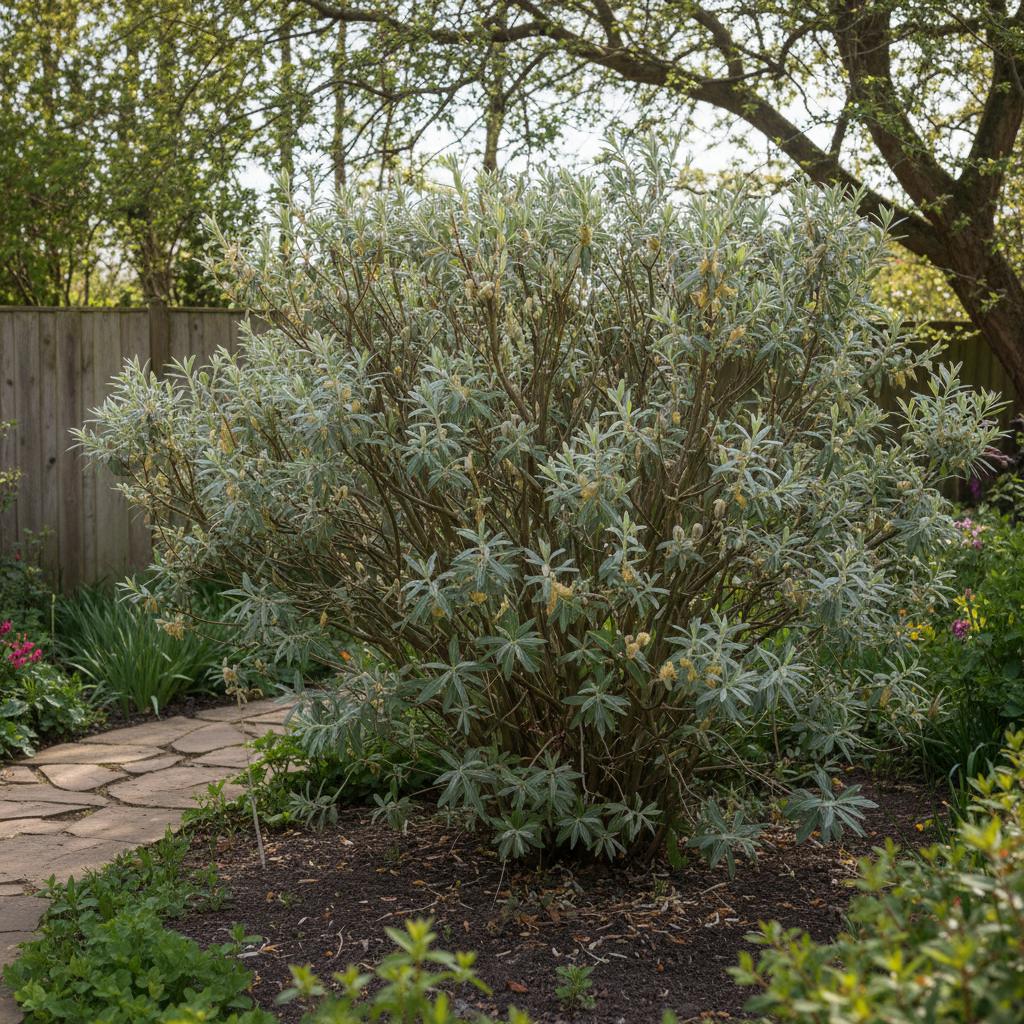
No confirmed acute toxicity to cats, dogs, or horses is documented for this species
Excessive or chronic intake of any plant part increases bleeding risk for humans and animals
This species is easily confused with other closely related willow (Salix) species
FAQ
Is Grey willow toxic to Humans?
No acute poisoning symptoms reported for low-level exposure; excessive/chronic intake may cause easy bruising or abnormal bleeding (Low)
Is Grey willow toxic to Cats?
No confirmed toxicity symptoms documented; monitor for unusual bleeding if large volumes are ingested (Non-toxic)
Is Grey willow toxic to Dogs?
No confirmed toxicity symptoms documented; monitor for unusual bleeding if large volumes are ingested (Non-toxic)
Is Grey willow toxic to Horses?
No confirmed toxicity symptoms documented; monitor for unusual bleeding if large volumes are ingested (Non-toxic)
Toxicity Details
No acute poisoning symptoms reported for low-level exposure; excessive/chronic intake may cause easy bruising or abnormal bleeding
No confirmed toxicity symptoms documented; monitor for unusual bleeding if large volumes are ingested
No confirmed toxicity symptoms documented; monitor for unusual bleeding if large volumes are ingested
No confirmed toxicity symptoms documented; monitor for unusual bleeding if large volumes are ingested
Toxicity Snapshot
First Aid & Prevention
First 30 Minutes
- • Rinse mouth thoroughly to remove any remaining plant material after ingestion
- • Induce vomiting only if explicitly directed by a doctor or veterinarian
- • Watch for early signs of unusual bleeding from gums, nose or stool for 24 hours post exposure
Contact Vet Immediately
- • If your pet ingests more than 1 small handful of plant material
- • If any signs of unusual bleeding, lethargy or abdominal pain appear after exposure
- • If your pet has pre-existing bleeding disorders or takes blood thinning medication
Prevention
- • Avoid intentionally feeding any part of grey willow to pets or livestock
- • Restrict access to willow stands for animals with diagnosed bleeding conditions
- • Confirm full species identification before using any willow part for medicinal purposes
Treatment & Prognosis
- • Supportive care including monitoring of blood coagulation function
- • Administration of activated charcoal if ingestion occurred within 2 hours of presentation
- • Symptomatic management of any bleeding events per medical provider guidance
Professional Toxicology
• Salicylic acid derivatives in plant tissue inhibit platelet function, reducing blood clotting ability with high or prolonged exposure
Information from CliniTox veterinary text.
The following plants look similar and may be confused:
Related Toxic Plants


Download PlantFun App
Identify, grow and care for plants effectively!
Instant Plant ID
Take a photo to quickly identify plants.
Smart Care Reminders
Generate watering and care schedules.
Toxicity & Disease Diagnosis
Identify toxic plants and pests with treatment advice.

Data Sources
This information is for reference only and does not constitute medical advice. If ingestion or poisoning is suspected, seek medical or veterinary attention immediately.