 PlantFun
African Violet Toxic?
African Violet is confirmed non-toxic to cats, dogs, and horses, posing minimal risk to common domestic animals.
No life-threatening toxic symptoms are linked to ingestion or skin contact with this plant species.
Overconsumption may cause mild, temporary gastrointestinal upset in sensitive individuals or pets, but effects are self-resolving.
FAQ
Is African Violet toxic to Humans?
No expected toxic symptoms; rare cases may involve mild stomach upset after ingesting large quantities, or minor skin irritation in sensitive people. (Non-toxic)
Is African Violet toxic to Cats?
No toxic symptoms expected; occasional mild, self-resolving soft stool may occur if very large amounts of the plant are eaten. (Non-toxic)
Is African Violet toxic to Dogs?
No toxic symptoms expected; mild, temporary gastrointestinal discomfort may appear in rare cases of excessive ingestion. (Non-toxic)
Is African Violet toxic to Horses?
No toxic symptoms expected; no known adverse effects even after incidental grazing of small quantities of the plant. (Non-toxic)
Toxicity Details
No expected toxic symptoms; rare cases may involve mild stomach upset after ingesting large quantities, or minor skin irritation in sensitive people.
No toxic symptoms expected; occasional mild, self-resolving soft stool may occur if very large amounts of the plant are eaten.
No toxic symptoms expected; mild, temporary gastrointestinal discomfort may appear in rare cases of excessive ingestion.
No toxic symptoms expected; no known adverse effects even after incidental grazing of small quantities of the plant.
Toxicity Snapshot
First Aid & Prevention
First 30 Minutes
- • Remove any remaining plant pieces from the mouth of the exposed person or animal immediately.
- • Rinse the mouth and any affected skin areas with cool, clean water to remove residual plant debris.
- • Monitor for 1 to 2 hours for signs of unusual discomfort, allergic reaction, or persistent digestive upset.
Contact Vet Immediately
- • If your pet exhibits persistent vomiting, diarrhea, or lethargy lasting longer than 2 hours after ingestion.
- • If a horse shows signs of abdominal pain, refusal to eat, or abnormal stool after consuming large quantities of the plant.
- • If a human develops hives, swelling, or difficulty breathing, which may indicate a rare allergic reaction.
Prevention
- • Keep plants out of reach of teething pets and very young children to avoid unnecessary ingestion incidents.
- • Wash hands thoroughly after handling any houseplants to prevent cross-contamination with food or sensitive skin.
- • Label all houseplants clearly to avoid misidentification with potentially toxic lookalike species.
Treatment & Prognosis
- • Offer small, frequent sips of fresh water to flush residual plant material from the digestive tract.
- • Manage mild gastrointestinal upset with rest and a bland diet for 24 hours if mild symptoms appear.
- • Administer antihistamines only under guidance from a doctor or veterinarian if an allergic reaction is confirmed.
Professional Toxicology
• No toxic physiological mechanism has been identified, as Saintpaulia species do not produce phytochemicals that disrupt mammalian biological function.
Information from CliniTox veterinary text.
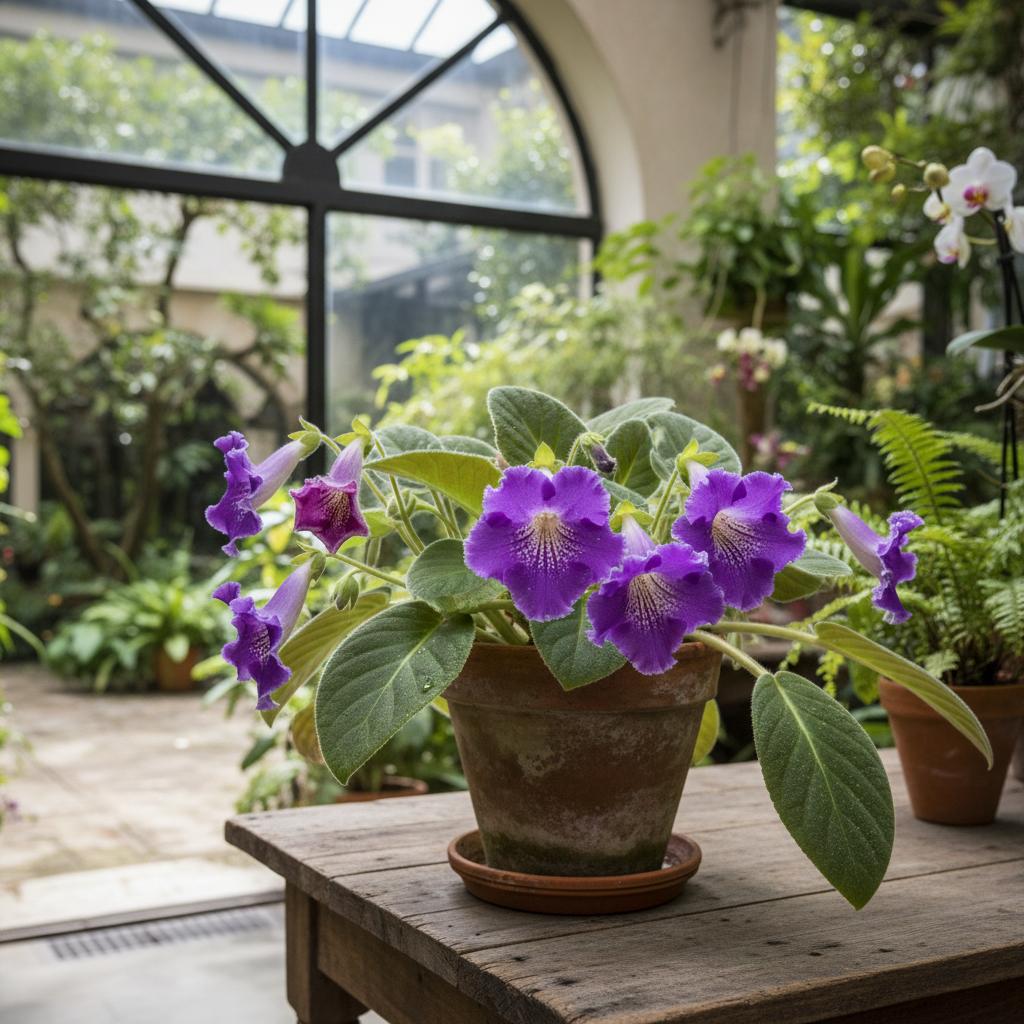
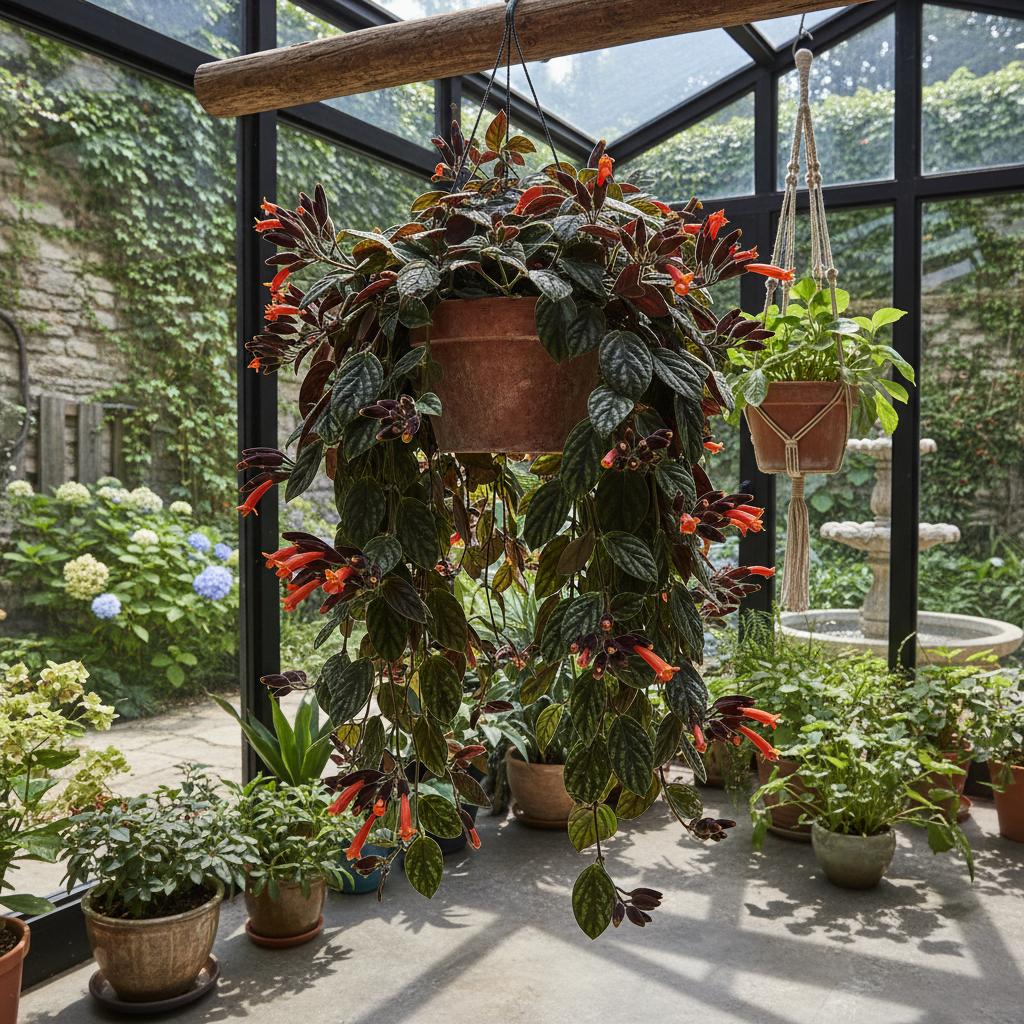
The following plants look similar and may be confused:
Related Toxic Plants
Download PlantFun App
Identify, grow and care for plants effectively!
Instant Plant ID
Take a photo to quickly identify plants.
Smart Care Reminders
Generate watering and care schedules.
Toxicity & Disease Diagnosis
Identify toxic plants and pests with treatment advice.

Data Sources
This information is for reference only and does not constitute medical advice. If ingestion or poisoning is suspected, seek medical or veterinary attention immediately.