 PlantFun
Locust Toxic?
Robinia spp. (Locust) is confirmed toxic to cats, dogs, and horses, with all ingestion events carrying serious health risks.
Toxic principles are toxalbumins including phasin, robin, and robitin, concentrated in the plant's bark, leaves, and seeds.
Clinical signs range from gastrointestinal distress to respiratory failure, with death reported in untreated severe cases.
FAQ
Is Locust toxic to Humans?
Limited formal exposure data available, but ingestion is expected to cause gastrointestinal distress, weakness, and respiratory issues similar to symptoms observed in animals. (Low)
Is Locust toxic to Cats?
Vomiting, depression, anorexia, weakness, difficulty breathing, bloody diarrhea, potential fatal outcome (Severe)
Is Locust toxic to Dogs?
Vomiting, depression, anorexia, weakness, difficulty breathing, bloody diarrhea, potential fatal outcome (Severe)
Is Locust toxic to Horses?
Vomiting, depression, anorexia, weakness, difficulty breathing, bloody diarrhea, potential fatal outcome (Severe)
Toxicity Details
Limited formal exposure data available, but ingestion is expected to cause gastrointestinal distress, weakness, and respiratory issues similar to symptoms observed in animals.
Vomiting, depression, anorexia, weakness, difficulty breathing, bloody diarrhea, potential fatal outcome
Vomiting, depression, anorexia, weakness, difficulty breathing, bloody diarrhea, potential fatal outcome
Vomiting, depression, anorexia, weakness, difficulty breathing, bloody diarrhea, potential fatal outcome
Toxicity Snapshot
First Aid & Prevention
First 30 Minutes
- • Immediately remove remaining plant material from the exposed subject's mouth and rinse the oral cavity with clean water.
- • Do not induce vomiting unless explicitly instructed to do so by a veterinarian or certified poison control professional.
- • Collect a sample of the ingested plant for accurate identification to support targeted treatment planning.
Contact Vet Immediately
- • Any confirmed or suspected ingestion of any part of a Locust plant, even if no symptoms are yet present.
- • Observation of any clinical signs including vomiting, diarrhea, lethargy, or labored breathing after potential exposure.
- • If the animal is known to have chewed or consumed bark, leaves, or seeds from a Robinia spp. plant.
Prevention
- • Remove all Robinia spp. plants from areas accessible to pets, livestock, and unsupervised young children.
- • Educate household members and animal caregivers on how to identify Locust plants to avoid accidental exposure.
- • Supervise pets and horses when grazing or walking in areas where wild Locust plants are known to grow.
Treatment & Prognosis
- • Veterinarians may administer decontamination treatments including activated charcoal to absorb unprocessed residual toxins.
- • Supportive care including IV fluid therapy, anti-emetics, and gastrointestinal protectants will be provided to manage symptoms.
- • Respiratory support and blood product administration may be required in severe cases with bloody diarrhea or respiratory distress.
Professional Toxicology
• Toxalbumins in the plant inhibit cellular protein synthesis, leading to widespread tissue necrosis and organ damage.
• Gastrointestinal mucosal erosion causes bloody diarrhea, while systemic toxin exposure impairs respiratory and neuromuscular function.
Information from CliniTox veterinary text.
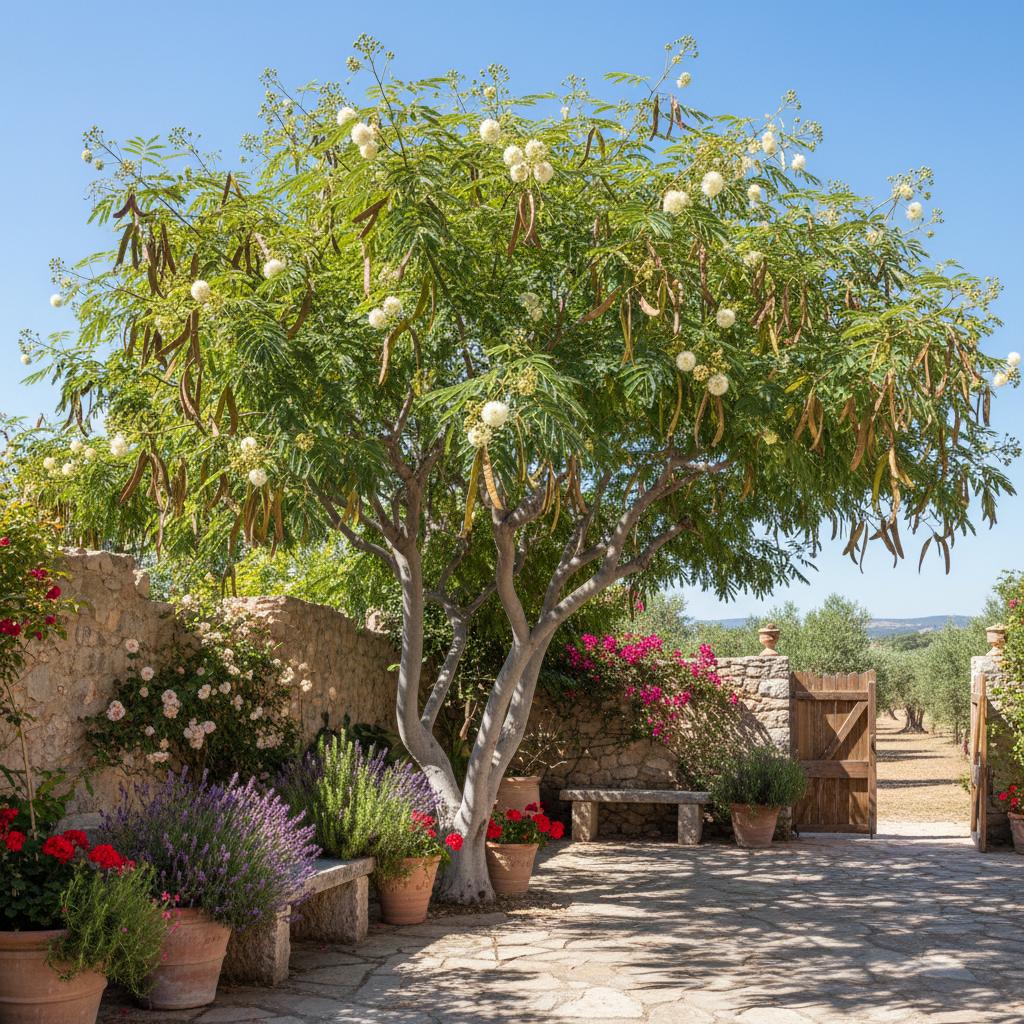
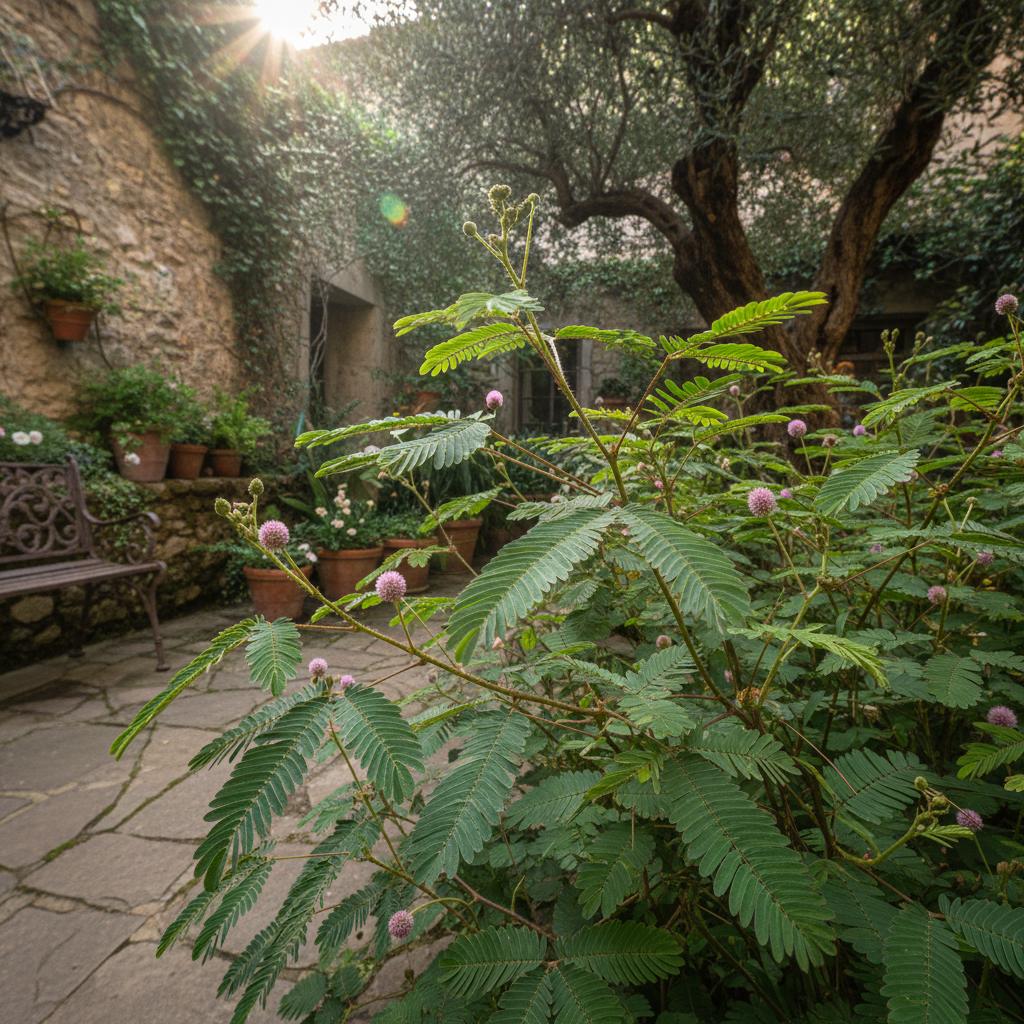
The following plants look similar and may be confused:
Related Toxic Plants

Download PlantFun App
Identify, grow and care for plants effectively!
Instant Plant ID
Take a photo to quickly identify plants.
Smart Care Reminders
Generate watering and care schedules.
Toxicity & Disease Diagnosis
Identify toxic plants and pests with treatment advice.

Data Sources
This information is for reference only and does not constitute medical advice. If ingestion or poisoning is suspected, seek medical or veterinary attention immediately.