 PlantFun
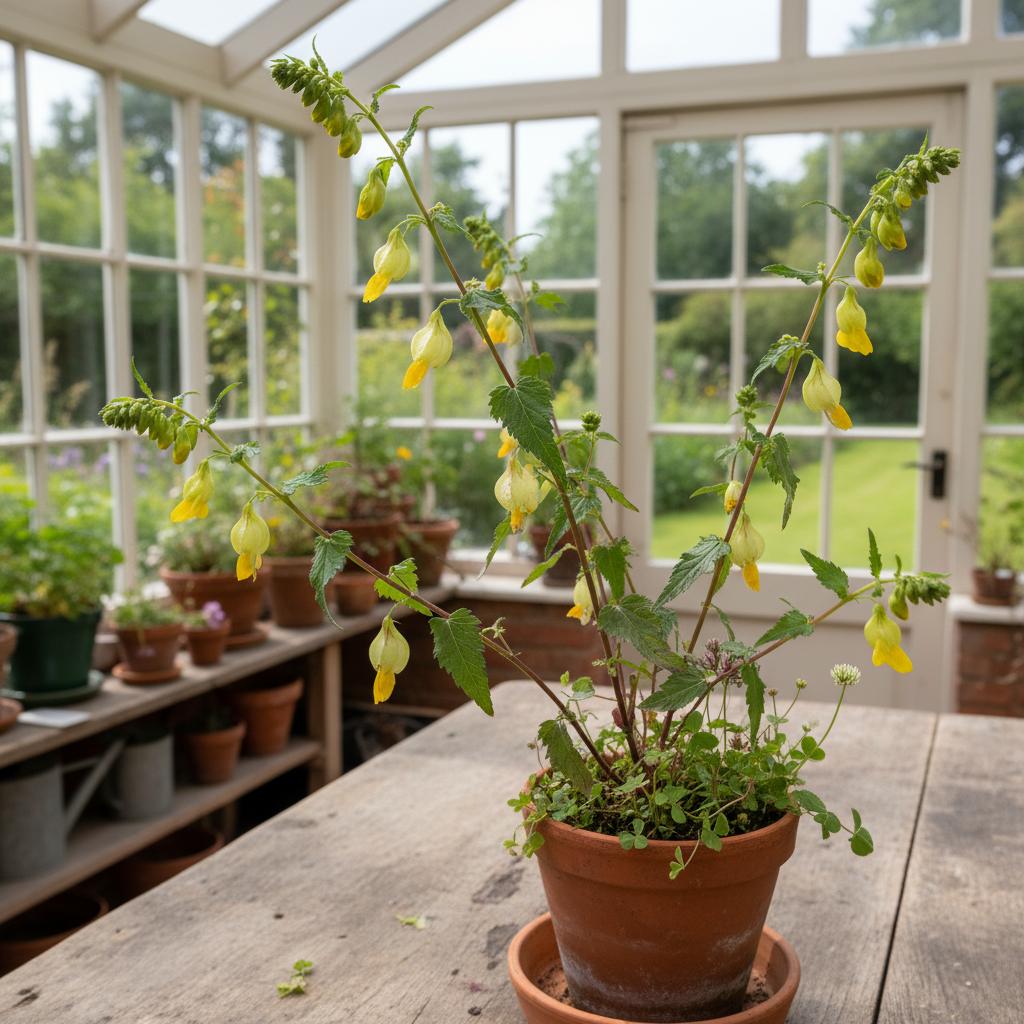
Greater yellow rattle Toxic?
Aucubin (rhinanthin) is the primary toxic iridoid glycoside in this plant
Toxicity only occurs when it makes up over 3% of forage (~10 plants per sqm); aucubin is inactive in dried hay
High intake may cause gastrointestinal, central nervous system and kidney damage in grazing animals
FAQ
Is Greater yellow rattle toxic to Humans?
No specific high-dose human exposure records exist; potential effects include gastrointestinal inflammation, diarrhea, and kidney irritation leading to painful or bloody urine (Low)
Is Greater yellow rattle toxic to Cats?
No species-specific toxicity data confirmed; large ingestions may cause digestive upset, lethargy, or urinary changes (Unknown)
Is Greater yellow rattle toxic to Dogs?
No species-specific toxicity data published; high intake may lead to gastrointestinal distress, colic, or bloody urine (Unknown)
Is Greater yellow rattle toxic to Horses?
Large ingestions cause reduced digestion, diarrhea, colic, seizures, and bloody urine from kidney inflammation (Low)
Toxicity Details
No specific high-dose human exposure records exist; potential effects include gastrointestinal inflammation, diarrhea, and kidney irritation leading to painful or bloody urine
No species-specific toxicity data confirmed; large ingestions may cause digestive upset, lethargy, or urinary changes
No species-specific toxicity data published; high intake may lead to gastrointestinal distress, colic, or bloody urine
Large ingestions cause reduced digestion, diarrhea, colic, seizures, and bloody urine from kidney inflammation
Toxicity Snapshot
First Aid & Prevention
First 30 Minutes
- • Remove any remaining plant material from the subject's mouth to stop further exposure
- • Induce vomiting only if the subject is conscious, alert, and ingested the plant within the last 60 minutes
- • Offer small amounts of water to dilute toxic compounds if the subject can swallow normally
Contact Vet Immediately
- • If a pet or livestock animal has ingested large quantities of the plant
- • If symptoms including diarrhea, colic, seizures, or bloody urine appear after exposure
- • If the ingested amount is unknown, especially for small pets or grazing horses
Prevention
- • Monitor pastures to keep plant density below 10 plants per square meter (under 3% of total forage yield)
- • Do not feed fresh forage with high proportions of this plant to livestock or pets
- • Train forage harvesters and pet owners to recognize the plant to avoid accidental intake
Treatment & Prognosis
- • Perform gastrointestinal decontamination (emesis, activated charcoal) for recent large ingestions
- • Provide symptomatic supportive care including fluid therapy, anti-inflammatories, and anti-diarrheal medication as needed
- • Monitor kidney function and neurological status for 24-48 hours post-ingestion to catch secondary complications early
Professional Toxicology
• Aucubin triggers inflammatory responses in the gastrointestinal tract, reducing normal digestive function
• The compound can cross the blood-brain barrier to cause central nervous system inflammation
• Accumulation in kidney tissue leads to renal inflammation and damage
Information from CliniTox veterinary text.
The following plants look similar and may be confused:
Related Toxic Plants

Download PlantFun App
Identify, grow and care for plants effectively!
Instant Plant ID
Take a photo to quickly identify plants.
Smart Care Reminders
Generate watering and care schedules.
Toxicity & Disease Diagnosis
Identify toxic plants and pests with treatment advice.

Data Sources
This information is for reference only and does not constitute medical advice. If ingestion or poisoning is suspected, seek medical or veterinary attention immediately.