 PlantFun
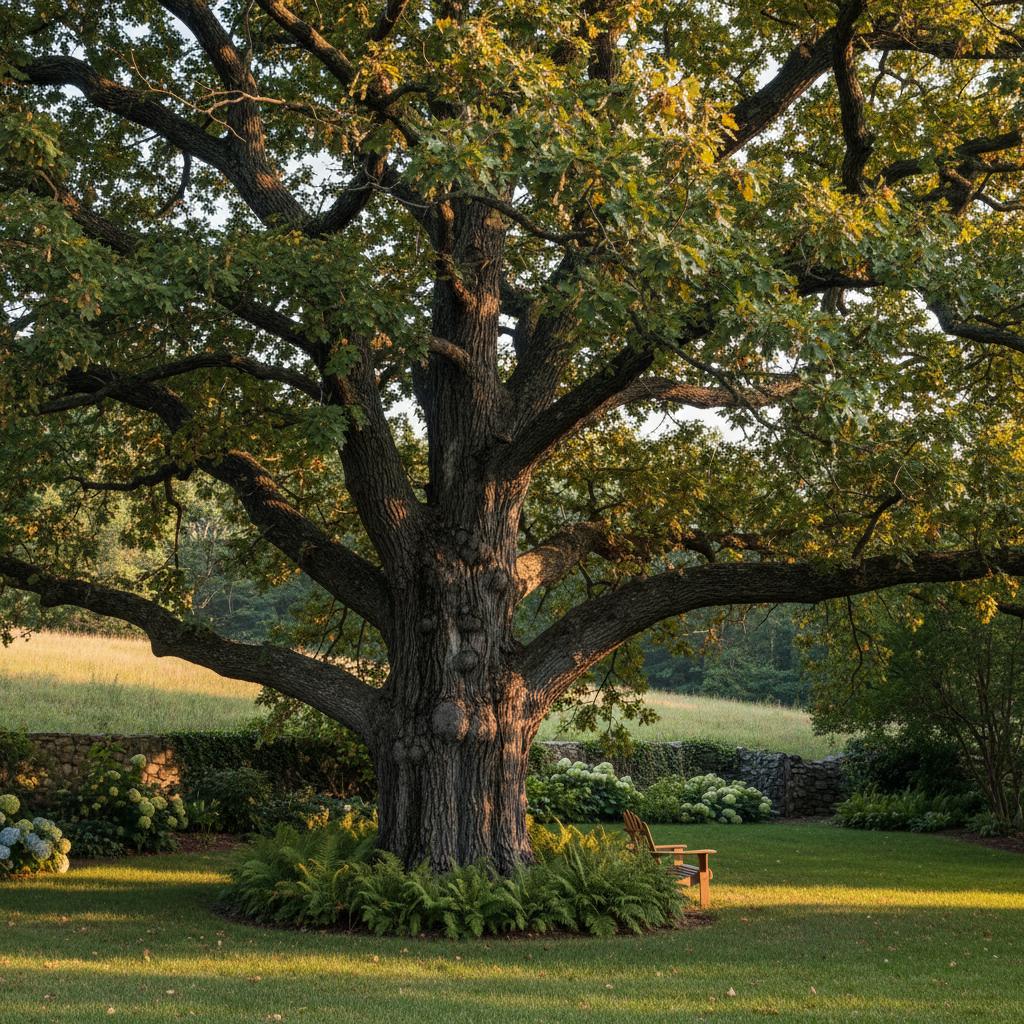
Oak Toxic?
Oak is confirmed toxic to horses, but its toxicity risk to cats and dogs has not been formally established
The primary toxic compound in oak is gallotannin, present in leaves, bark, and acorns of the plant
Ingestion of oak plant parts or acorns can cause digestive distress, urinary issues, jaundice, and potentially digestive tract obstruction in susceptible animals
FAQ
Is Oak toxic to Humans?
No confirmed human toxicity data available; seek immediate medical care if large quantities of oak parts or acorns are ingested (Unknown)
Is Oak toxic to Cats?
Toxicity to cats is unconfirmed, no specific clinical signs have been formally documented (Unknown)
Is Oak toxic to Dogs?
Toxicity to dogs is unconfirmed, no specific clinical signs have been formally documented (Unknown)
Is Oak toxic to Horses?
Abdominal pain, constipation followed by diarrhea (occasionally bloody), depression, frequent urination, discolored urine, jaundice; acorn ingestion may cause digestive tract obstruction (Moderate)
Toxicity Details
No confirmed human toxicity data available; seek immediate medical care if large quantities of oak parts or acorns are ingested
Toxicity to cats is unconfirmed, no specific clinical signs have been formally documented
Toxicity to dogs is unconfirmed, no specific clinical signs have been formally documented
Abdominal pain, constipation followed by diarrhea (occasionally bloody), depression, frequent urination, discolored urine, jaundice; acorn ingestion may cause digestive tract obstruction
Toxicity Snapshot
First Aid & Prevention
First 30 Minutes
- • Remove all remaining oak plant material or acorns from the exposed animal's access and mouth if they are conscious
- • Do not induce vomiting unless explicitly instructed to do so by a licensed veterinarian
- • Collect a sample of the ingested oak material or acorns to share with veterinary staff for confirmation
Contact Vet Immediately
- • A horse has ingested any quantity of oak leaves, bark, or acorns
- • Any animal shows symptoms including abdominal pain, abnormal bowel movements, discolored urine, or jaundice after possible oak exposure
- • The animal shows signs of digestive obstruction such as unproductive retching or severe abdominal distension
Prevention
- • Keep oak trees, fallen leaves, and acorns out of reach of pets, and remove oak debris from horse grazing pastures
- • Educate horse owners and pet caregivers about the confirmed toxic risk of oak to horses to avoid accidental ingestion
- • Regularly clear fallen acorns and oak plant debris from yards, paddocks, and grazing areas used by animals
Treatment & Prognosis
- • Veterinarians may administer activated charcoal for decontamination in cases of recent, uncomplicated ingestion
- • Supportive care including fluid therapy, pain management, and gastrointestinal support will be provided based on presented symptoms
- • Surgical intervention may be required if acorn ingestion causes complete digestive tract obstruction
Professional Toxicology
• Ingested gallotannins cause direct irritation to the gastrointestinal tract, followed by systemic damage to liver and kidney tissue
• Large, hard acorn fragments can cause physical blockage of the digestive tract even at low ingestion quantities
Information from CliniTox veterinary text.
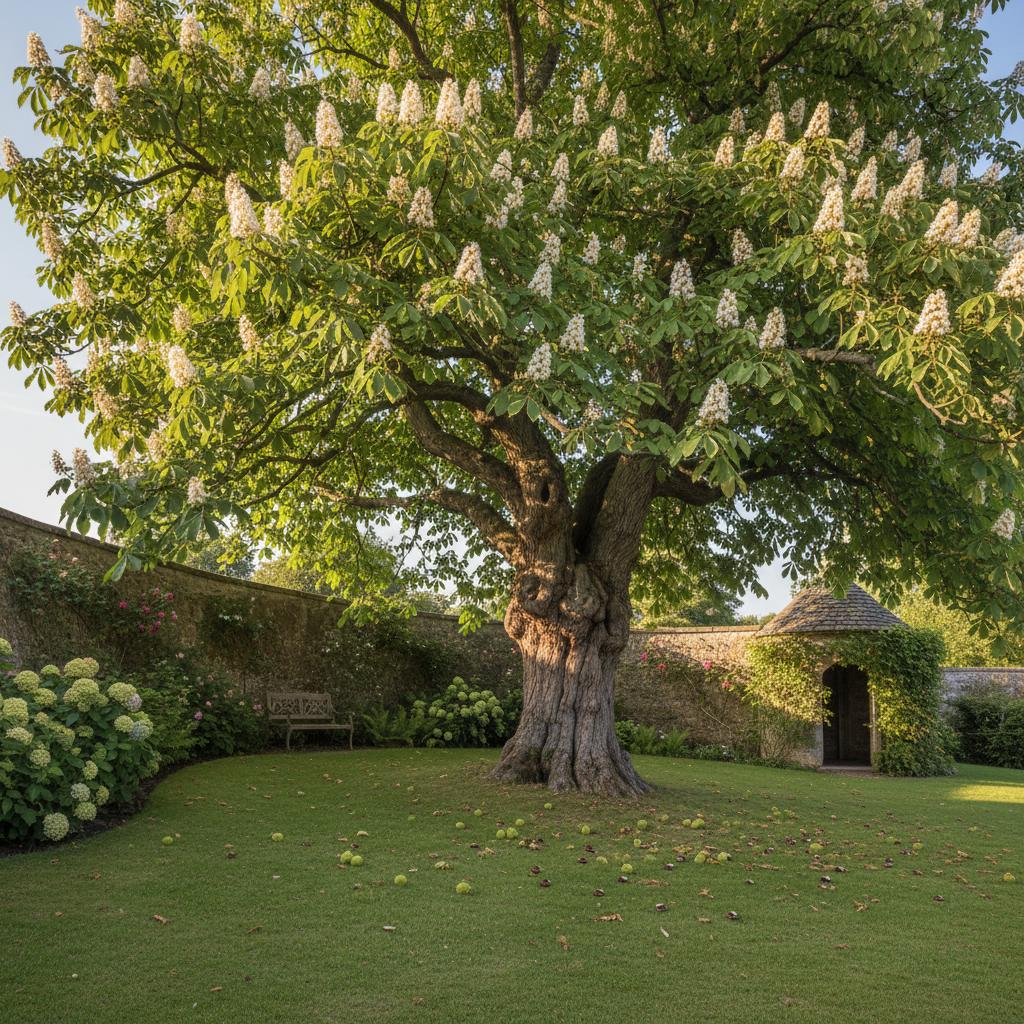
The following plants look similar and may be confused:
Related Toxic Plants

Download PlantFun App
Identify, grow and care for plants effectively!
Instant Plant ID
Take a photo to quickly identify plants.
Smart Care Reminders
Generate watering and care schedules.
Toxicity & Disease Diagnosis
Identify toxic plants and pests with treatment advice.

Data Sources
This information is for reference only and does not constitute medical advice. If ingestion or poisoning is suspected, seek medical or veterinary attention immediately.