 PlantFun
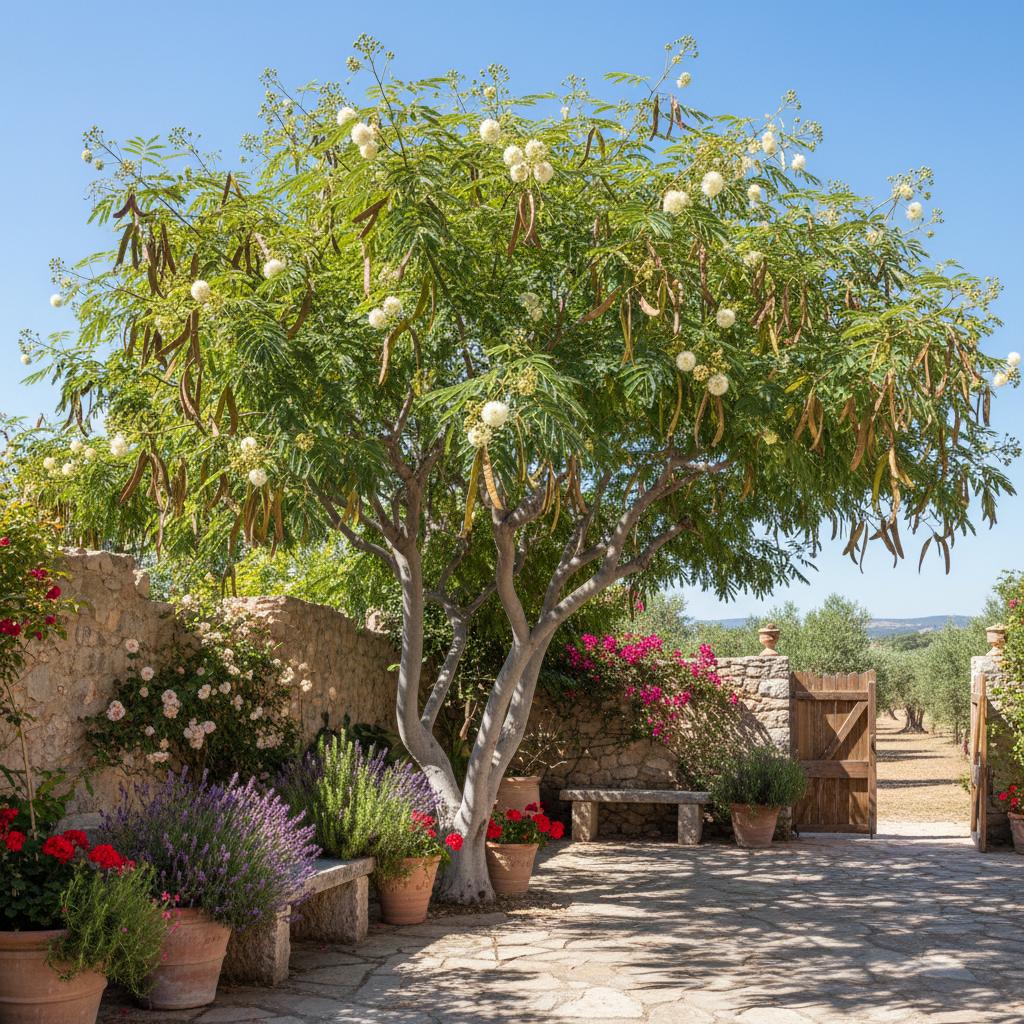
Algaroba Toxic?
Algaroba (Prosopis limensis) is classified as non-toxic to cats, dogs, and horses per available toxicology data
No plant parts of this species are confirmed to contain harmful toxins for common domestic companion and livestock animals
Unusual symptoms after ingestion should be evaluated by a professional to rule out other contaminants or plant exposure
FAQ
Is Algaroba toxic to Humans?
No confirmed toxic effects reported; mild, temporary gastrointestinal upset may occur in sensitive individuals after consuming very large quantities (Non-toxic)
Is Algaroba toxic to Cats?
No known toxic symptoms associated with ingestion of this plant (Non-toxic)
Is Algaroba toxic to Dogs?
No known toxic symptoms associated with ingestion of this plant (Non-toxic)
Is Algaroba toxic to Horses?
No known toxic symptoms associated with ingestion of this plant (Non-toxic)
Toxicity Details
No confirmed toxic effects reported; mild, temporary gastrointestinal upset may occur in sensitive individuals after consuming very large quantities
No known toxic symptoms associated with ingestion of this plant
No known toxic symptoms associated with ingestion of this plant
No known toxic symptoms associated with ingestion of this plant
Toxicity Snapshot
First Aid & Prevention
First 30 Minutes
- • Monitor the animal for unusual behavior, vomiting, or diarrhea for 24 hours if small amounts of plant material are ingested
- • Wipe any remaining plant residue from the animal's mouth, paws, or fur to prevent additional consumption
- • Offer small sips of fresh water to soothe the digestive tract if mild stomach upset is suspected
Contact Vet Immediately
- • Persistent vomiting, diarrhea, lethargy, or loss of appetite occurs within 24 hours of ingestion
- • The animal has consumed a very large volume of plant material, especially if it is small, young, or immunocompromised
- • Symptoms last longer than 48 hours after suspected exposure
Prevention
- • No specific access restrictions are required for this non-toxic plant, but limit excess consumption of fallen seed pods to avoid digestive upset
- • Ensure pets and livestock have access to adequate regular forage to discourage over-nibbling on any landscape plants
- • Properly identify all landscape plants to avoid accidental exposure to toxic lookalike species
Treatment & Prognosis
- • No targeted treatment is required for standard ingestion of this non-toxic species
- • Provide symptomatic care for mild gastrointestinal upset per guidance from a veterinarian or medical professional
- • Investigate potential exposure to other toxic plants, contaminants, or underlying health conditions if severe symptoms develop
Professional Toxicology
• No confirmed toxic mechanisms associated with this species; any mild digestive effects are due to high fiber content, not toxic compounds
Information from CliniTox veterinary text.
The following plants look similar and may be confused:
Related Toxic Plants


Download PlantFun App
Identify, grow and care for plants effectively!
Instant Plant ID
Take a photo to quickly identify plants.
Smart Care Reminders
Generate watering and care schedules.
Toxicity & Disease Diagnosis
Identify toxic plants and pests with treatment advice.

Data Sources
This information is for reference only and does not constitute medical advice. If ingestion or poisoning is suspected, seek medical or veterinary attention immediately.