 PlantFun
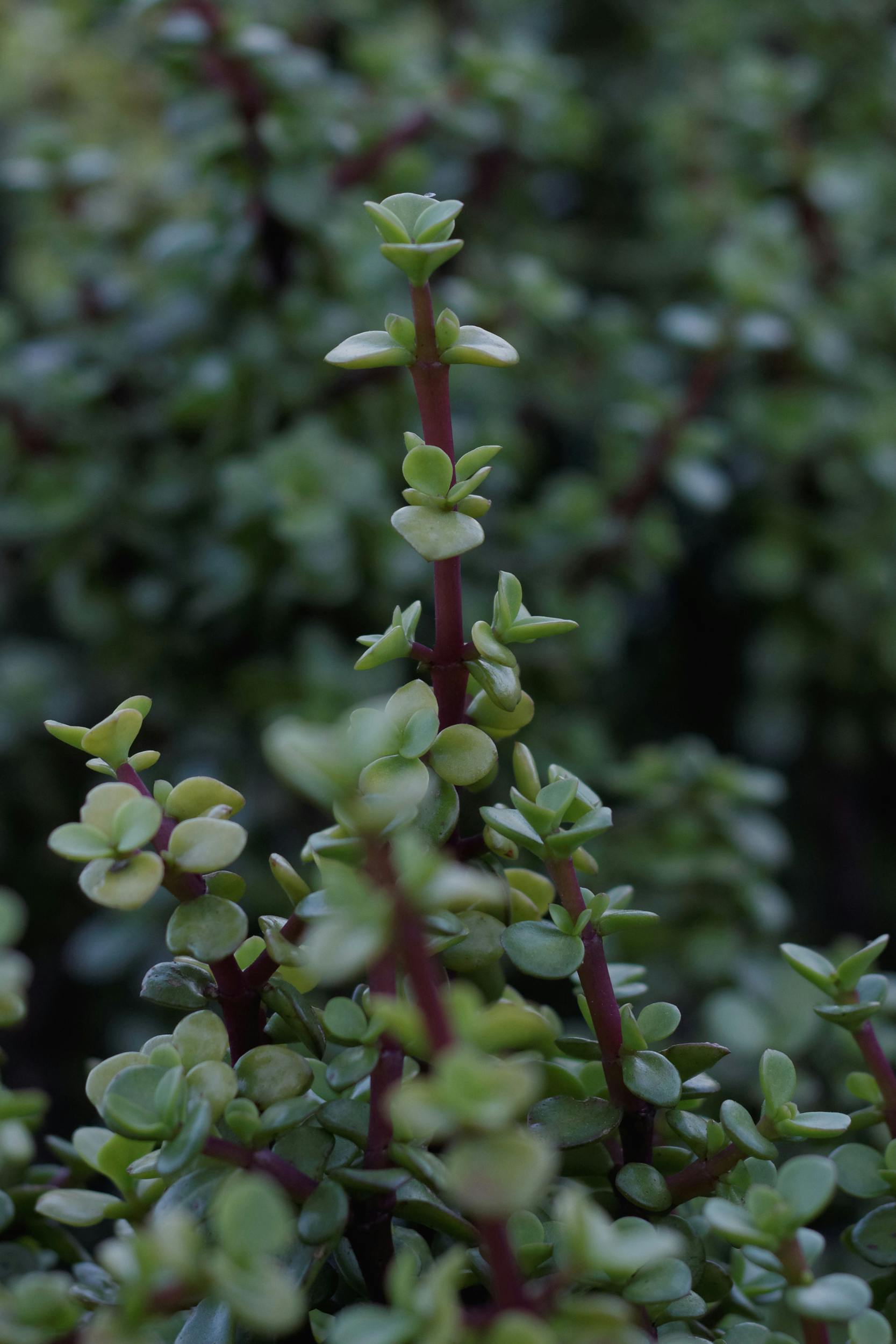
Rock Moss Toxic?

Rock Moss is verified toxic to cats, dogs, and horses per official ASPCA toxicology data
Its core toxic component is soluble calcium oxalates that cause tissue irritation when ingested
All exposures in susceptible animals require monitoring and prompt veterinary care if symptoms appear
FAQ
Is Rock Moss toxic to Humans?
Mild oral burning, throat irritation, vomiting, diarrhea, and difficulty swallowing with large ingestions; severe reactions are rare (Low)
Is Rock Moss toxic to Cats?
Oral pain, excessive drooling, pawing at the mouth, vomiting, reduced appetite, and potential kidney damage with large intake (Moderate)
Is Rock Moss toxic to Dogs?
Excessive salivation, oral irritation, vomiting, diarrhea, lethargy, and possible renal impairment after consuming large amounts (Moderate)
Is Rock Moss toxic to Horses?
Oral discomfort, excessive salivation, colic, diarrhea, reduced feed intake, and kidney irritation with repeated or large ingestion (Moderate)
Toxicity Details
Mild oral burning, throat irritation, vomiting, diarrhea, and difficulty swallowing with large ingestions; severe reactions are rare
Oral pain, excessive drooling, pawing at the mouth, vomiting, reduced appetite, and potential kidney damage with large intake
Excessive salivation, oral irritation, vomiting, diarrhea, lethargy, and possible renal impairment after consuming large amounts
Oral discomfort, excessive salivation, colic, diarrhea, reduced feed intake, and kidney irritation with repeated or large ingestion
Toxicity Snapshot
First Aid & Prevention
First 30 Minutes
- • Remove all remaining plant material from the exposed individual's mouth and rinse thoroughly with cool clean water
- • Do not induce vomiting unless explicitly directed by a medical professional or licensed veterinarian
- • Document exposure time, amount consumed, and monitor closely for early symptoms like drooling or vomiting
Contact Vet Immediately
- • If the exposed cat, dog, or horse has ingested more than a small bite of the plant
- • If any symptoms including drooling, oral pain, vomiting, diarrhea or lethargy develop post-exposure
- • If the exposed animal is juvenile, geriatric, or has pre-existing kidney or gastrointestinal conditions
Prevention
- • Remove all Rock Moss plants from areas accessible to pets, livestock, and unsupervised young children
- • Learn to identify this plant and its common lookalikes to avoid accidental exposure during outdoor activities
- • Never feed foraged Portulaca species to pets or livestock unless verified as non-toxic by a qualified expert
Treatment & Prognosis
- • Supportive care including oral fluid administration and pain management for mild exposure cases
- • Veterinarians may administer IV fluids and calcium supplements to reduce kidney damage risk for large ingestions
- • Symptomatic care for gastrointestinal upset and 24-72 hour renal function monitoring for severe exposure cases
Professional Toxicology
• Soluble calcium oxalates bind to bodily calcium after ingestion, forming sharp insoluble crystals that irritate soft tissues including the oral mucosa, gastrointestinal lining, and renal tubules
Information from CliniTox veterinary text.
The following plants look similar and may be confused:
Related Toxic Plants

Download PlantFun App
Identify, grow and care for plants effectively!
Instant Plant ID
Take a photo to quickly identify plants.
Smart Care Reminders
Generate watering and care schedules.
Toxicity & Disease Diagnosis
Identify toxic plants and pests with treatment advice.

Data Sources
This information is for reference only and does not constitute medical advice. If ingestion or poisoning is suspected, seek medical or veterinary attention immediately.