 PlantFun
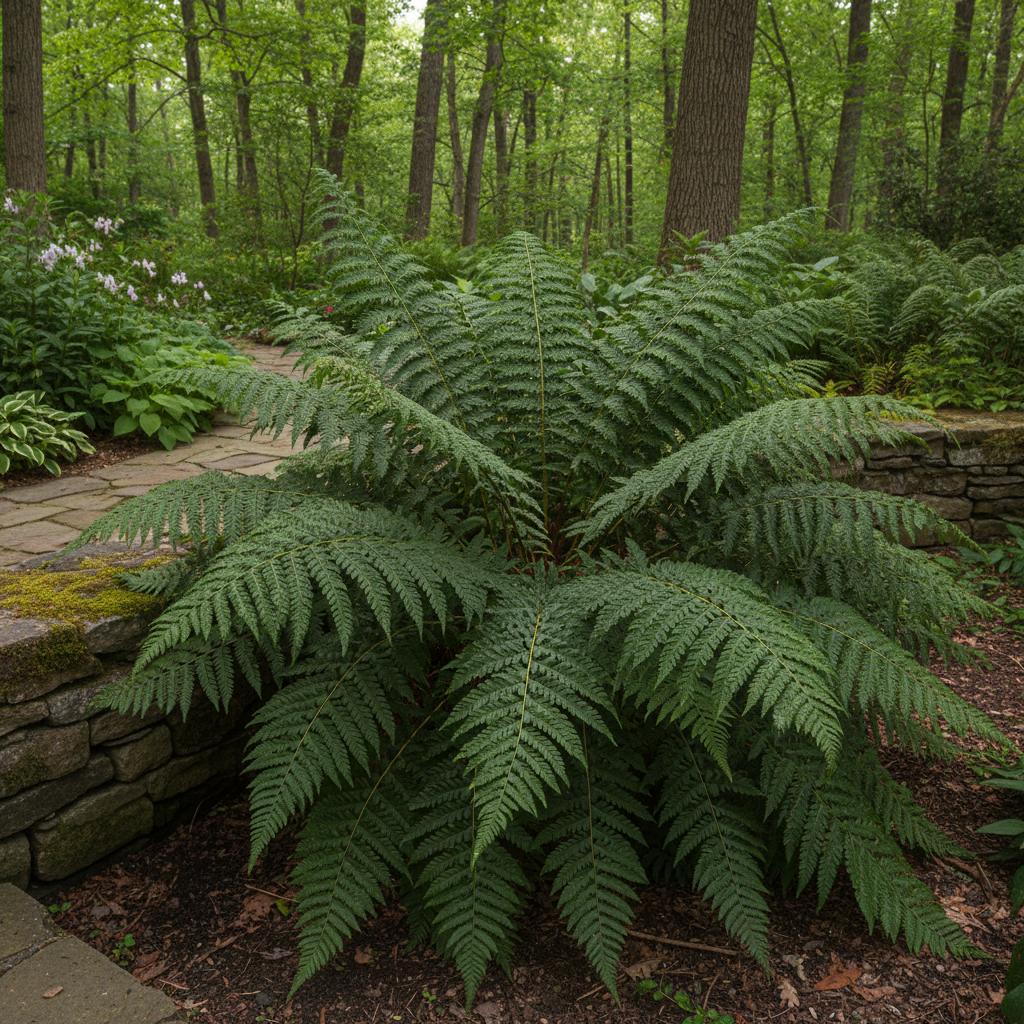
Hard shield-fern Toxic?
Hard shield-fern has a low toxicity classification, with no documented severe toxic effects from ingestion.
Toxic effects are caused by acylphloroglucinol compounds present in all tissues of the plant.
Ingestion typically only leads to self-limiting vomiting and diarrhea, with supportive care as standard treatment.
FAQ
Is Hard shield-fern toxic to Humans?
Vomiting and diarrhea (Low)
Is Hard shield-fern toxic to Cats?
No specific clinical data documented; mild gastrointestinal upset (vomiting, diarrhea) is expected if large quantities are ingested (Low)
Is Hard shield-fern toxic to Dogs?
No specific clinical data documented; mild gastrointestinal upset (vomiting, diarrhea) is expected if large quantities are ingested (Low)
Is Hard shield-fern toxic to Horses?
No specific clinical data documented; mild gastrointestinal upset (loose stools, reduced appetite) is expected if large quantities are ingested (Low)
Toxicity Details
Vomiting and diarrhea
No specific clinical data documented; mild gastrointestinal upset (vomiting, diarrhea) is expected if large quantities are ingested
No specific clinical data documented; mild gastrointestinal upset (vomiting, diarrhea) is expected if large quantities are ingested
No specific clinical data documented; mild gastrointestinal upset (loose stools, reduced appetite) is expected if large quantities are ingested
Toxicity Snapshot
First Aid & Prevention
First 30 Minutes
- • Remove any remaining plant material from the mouth of the exposed individual immediately
- • Rinse the mouth thoroughly with clean, cool water for conscious humans or animals
- • Do not induce vomiting unless instructed to do so by a medical professional or veterinarian
Contact Vet Immediately
- • If persistent vomiting, diarrhea, or lethargy develops post-ingestion
- • If a large quantity of the plant was consumed by a small child, small pet, or foal
- • If symptoms do not resolve within 24 hours of exposure
Prevention
- • Keep plants out of reach of small children, cats, dogs, and grazing horses
- • Confirm plant identification with an expert before foraging for wild edible plants to avoid misclassification
- • Avoid planting this species in areas accessible to unsupervised pets or grazing livestock
Treatment & Prognosis
- • Administer decontamination measures such as activated charcoal for recent large ingestions
- • Provide symptomatic supportive care including fluid replacement to prevent dehydration from vomiting and diarrhea
- • Monitor symptoms until full resolution, which typically occurs within 24 to 48 hours for mild exposures
Professional Toxicology
• Acylphloroglucinol compounds irritate the gastrointestinal mucosa upon ingestion, leading to local inflammatory responses
• No systemic organ toxicity is documented for this species at normal exposure levels
Information from CliniTox veterinary text.
The following plants look similar and may be confused:
Related Toxic Plants


Download PlantFun App
Identify, grow and care for plants effectively!
Instant Plant ID
Take a photo to quickly identify plants.
Smart Care Reminders
Generate watering and care schedules.
Toxicity & Disease Diagnosis
Identify toxic plants and pests with treatment advice.

Data Sources
This information is for reference only and does not constitute medical advice. If ingestion or poisoning is suspected, seek medical or veterinary attention immediately.