 PlantFun
Greater Plantain Toxic?
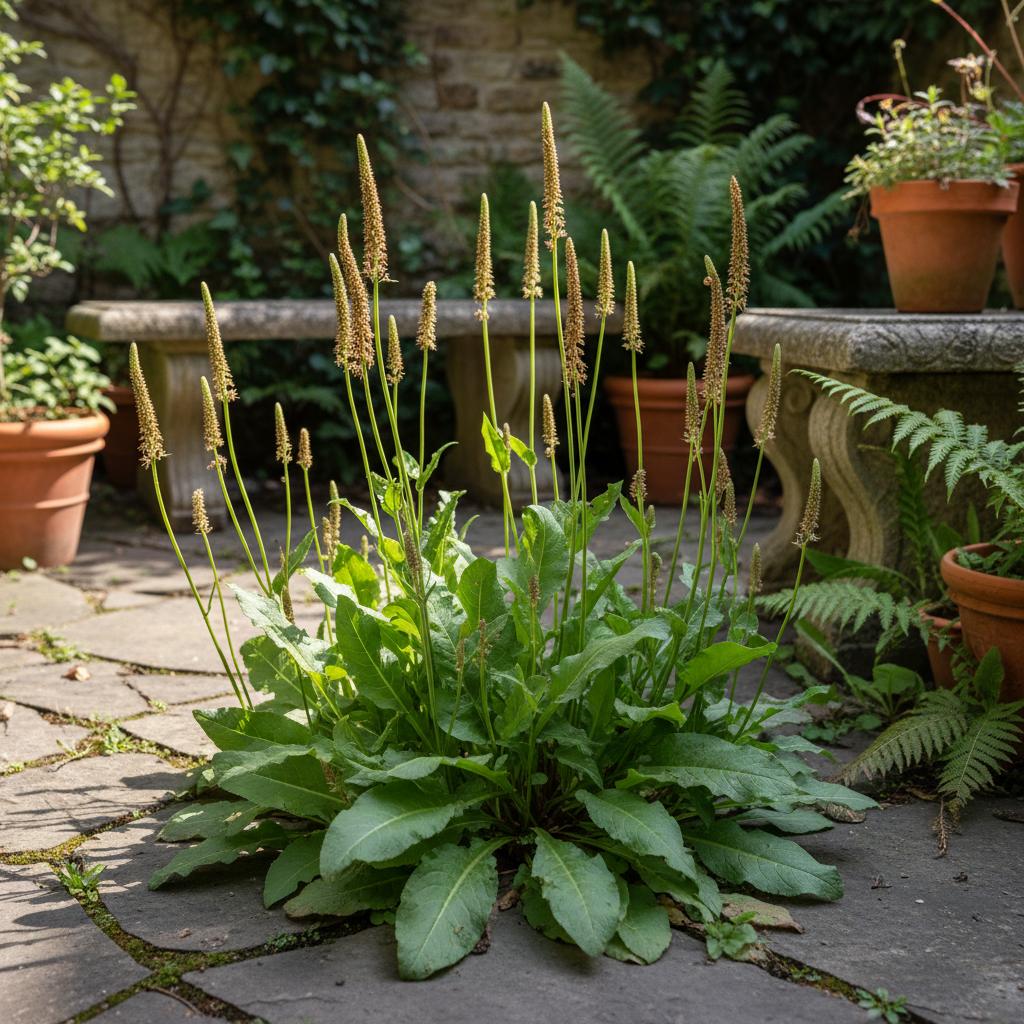
Contains low concentrations of the iridoid glycoside aucubin, which is inactive in dried hay
Ingestion of fresh plant material may cause gastrointestinal inflammation, suppressed digestion, diarrhea, and colic
Up to 10% of related Plantago lanceolata in livestock forage is considered nutritionally valuable
FAQ
Is Greater Plantain toxic to Humans?
No specific clinical toxicity data reported; mild gastrointestinal upset is possible if large quantities of fresh plant are ingested (Low)
Is Greater Plantain toxic to Cats?
No specific clinical toxicity data reported; mild digestive distress may occur with large ingestions (Low)
Is Greater Plantain toxic to Dogs?
No specific clinical toxicity data reported; mild digestive distress may occur with large ingestions (Low)
Is Greater Plantain toxic to Horses?
Gastrointestinal inflammation, suppressed digestive function, diarrhea, colic (Low)
Toxicity Details
No specific clinical toxicity data reported; mild gastrointestinal upset is possible if large quantities of fresh plant are ingested
No specific clinical toxicity data reported; mild digestive distress may occur with large ingestions
No specific clinical toxicity data reported; mild digestive distress may occur with large ingestions
Gastrointestinal inflammation, suppressed digestive function, diarrhea, colic
Toxicity Snapshot
First Aid & Prevention
First 30 Minutes
- • Remove all remaining plant material from the affected subject's mouth and restrict further access to the plant
- • Offer small amounts of clean water to dilute irritants if the subject is alert and not experiencing severe distress
- • Monitor closely for early signs of gastrointestinal discomfort for 2-4 hours post-ingestion
Contact Vet Immediately
- • If severe symptoms such as persistent colic, bloody diarrhea, or extreme abdominal pain develop
- • If a very large quantity of fresh plant material was consumed by young, elderly, or immunocompromised subjects
- • If mild symptoms persist for longer than 24 hours without improvement
Prevention
- • Limit grazing access for sensitive livestock to pastures with high concentrations of greater plantain
- • Remove the plant from household gardens and yards if pets or free-roaming livestock have unrestricted access
- • Ensure livestock forage does not contain more than 10% fresh Plantago species content to avoid adverse effects
Treatment & Prognosis
- • Perform gastrointestinal decontamination (e.g. activated charcoal administration) for recent large ingestions of fresh plant material
- • Provide symptomatic supportive care including fluid therapy, anti-diarrheal, and anti-spasmodic medication as required
- • Monitor hydration status and gastrointestinal function until all symptoms resolve completely
Professional Toxicology
• Aucubin irritates the gastrointestinal mucosa, leading to inflammation, disrupted digestive function, and associated gastrointestinal symptoms
Information from CliniTox veterinary text.
The following plants look similar and may be confused:
Related Toxic Plants



Download PlantFun App
Identify, grow and care for plants effectively!
Instant Plant ID
Take a photo to quickly identify plants.
Smart Care Reminders
Generate watering and care schedules.
Toxicity & Disease Diagnosis
Identify toxic plants and pests with treatment advice.

Data Sources
This information is for reference only and does not constitute medical advice. If ingestion or poisoning is suspected, seek medical or veterinary attention immediately.