 PlantFun
Sand plantain Toxic?
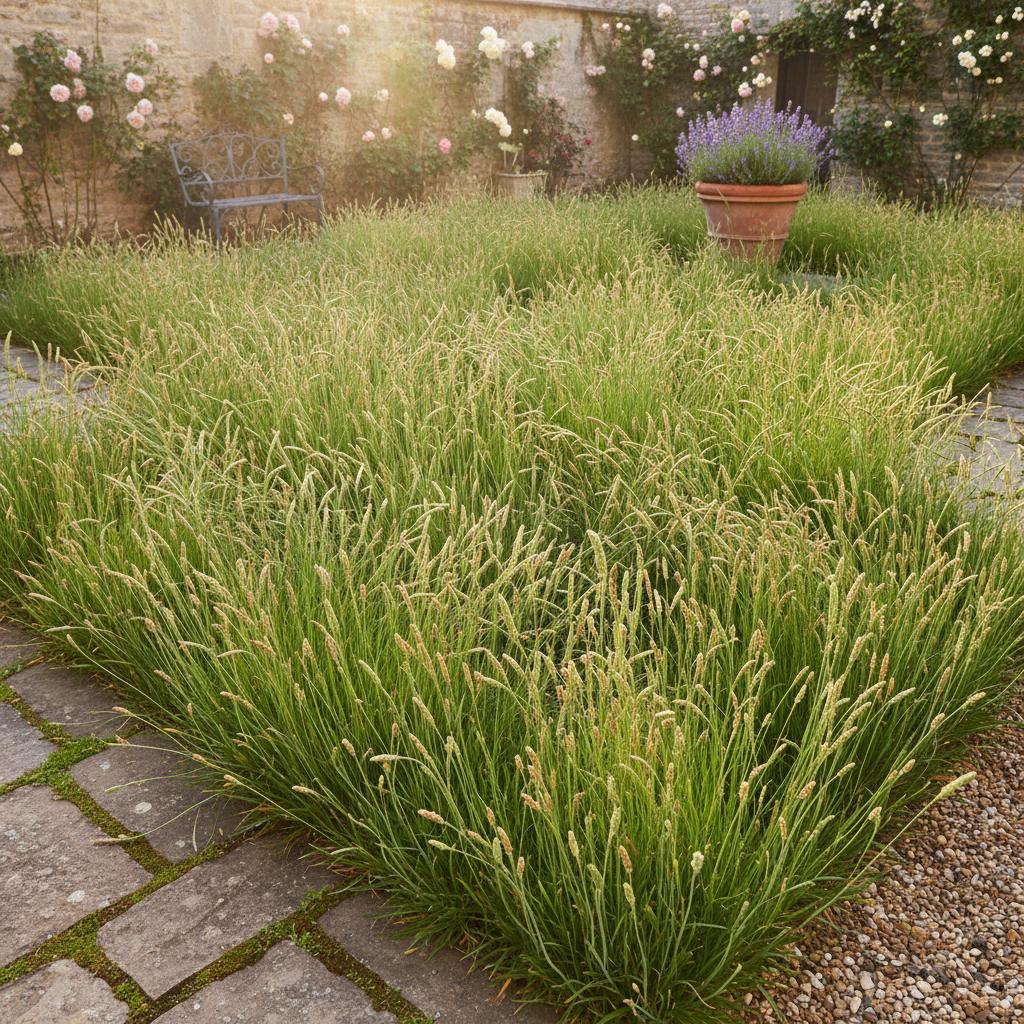
Contains low levels of aucubin as its primary toxic compound, which is no longer active in dried hay.
Ingestion can cause gastrointestinal irritation, digestive disruption, diarrhea, and colic in animals.
Up to 10% Plantago lanceolata content in forage is considered safe and beneficial for livestock.
FAQ
Is Sand plantain toxic to Humans?
No specific human toxicity data reported; accidental large ingestion may cause mild gastrointestinal upset including diarrhea and abdominal cramping. (Low)
Is Sand plantain toxic to Cats?
No species-specific toxicity data documented; ingestion may lead to mild gastrointestinal inflammation, loose stools, and abdominal discomfort. (Low)
Is Sand plantain toxic to Dogs?
No species-specific toxicity data documented; ingestion may lead to mild gastrointestinal inflammation, loose stools, and abdominal discomfort. (Low)
Is Sand plantain toxic to Horses?
No species-specific toxicity data documented; ingestion may lead to gastrointestinal inflammation, diarrhea, and colic consistent with general livestock observations. (Low)
Toxicity Details
No specific human toxicity data reported; accidental large ingestion may cause mild gastrointestinal upset including diarrhea and abdominal cramping.
No species-specific toxicity data documented; ingestion may lead to mild gastrointestinal inflammation, loose stools, and abdominal discomfort.
No species-specific toxicity data documented; ingestion may lead to mild gastrointestinal inflammation, loose stools, and abdominal discomfort.
No species-specific toxicity data documented; ingestion may lead to gastrointestinal inflammation, diarrhea, and colic consistent with general livestock observations.
Toxicity Snapshot
First Aid & Prevention
First 30 Minutes
- • Remove any remaining plant material from the mouth of the affected individual (human or animal) immediately.
- • Do not induce vomiting unless explicitly instructed to do so by a doctor or veterinarian.
- • Offer small amounts of clean water to dilute irritants if the affected individual is alert and able to swallow.
Contact Vet Immediately
- • If the affected animal exhibits persistent diarrhea, abdominal pain, or signs of colic after ingestion.
- • If a large volume of fresh plant material was consumed by a pet or grazing livestock.
- • If symptoms do not improve within 2-3 hours of ingestion or worsen over time.
Prevention
- • Avoid grazing livestock in pastures with high concentrations of this Plantago species.
- • Ensure forage mixtures do not contain more than 10% Plantago species to maintain safety for livestock.
- • Keep wild or cultivated specimens of this plant out of reach of household pets to prevent accidental ingestion.
Treatment & Prognosis
- • Perform appropriate gastrointestinal decontamination based on ingestion volume and time elapsed since exposure.
- • Administer symptomatic care including fluid replacement and anti-diarrheal medication as clinically indicated.
- • Monitor patients closely for signs of gastrointestinal distress and colic until symptoms fully resolve.
Professional Toxicology
• Aucubin, the primary toxic compound, triggers inflammation of the gastrointestinal tract, suppresses digestive function, and causes irritation-related symptoms including diarrhea and colic.
Information from CliniTox veterinary text.
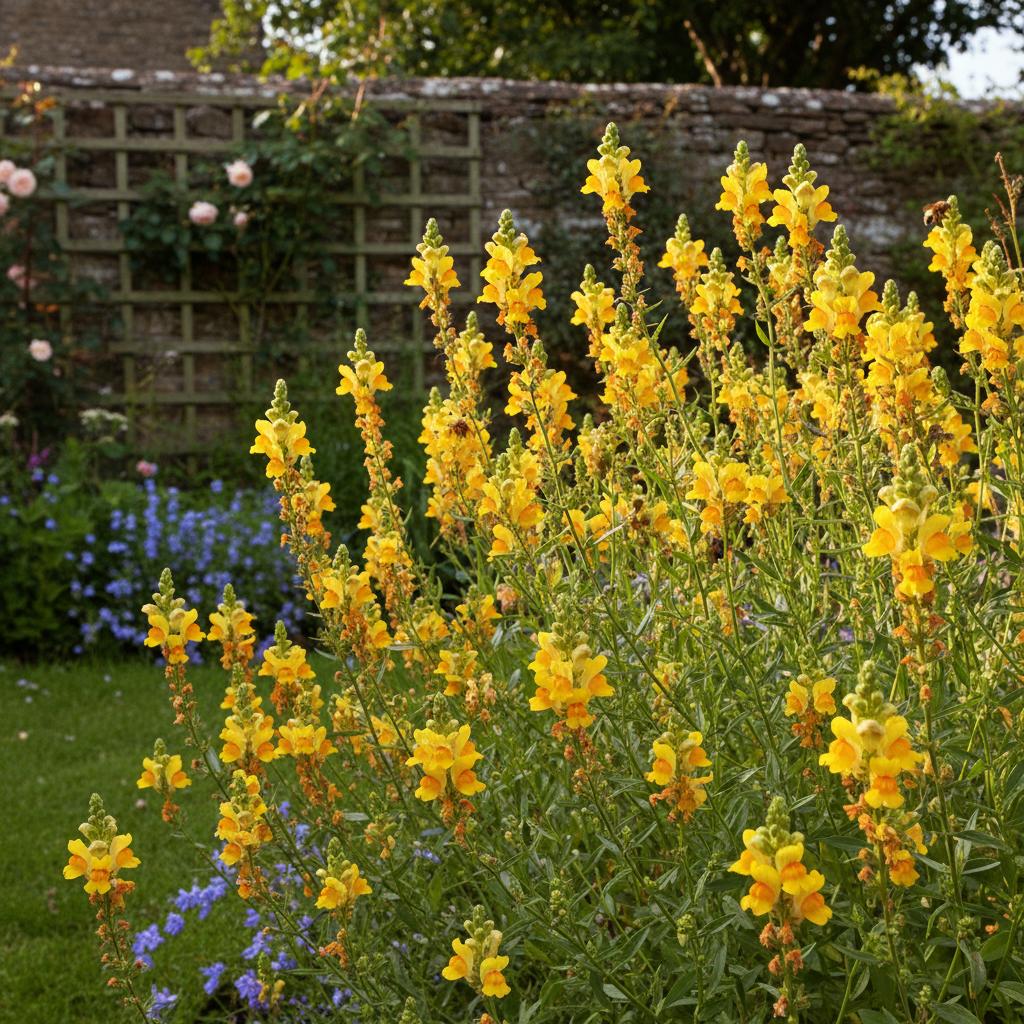
The following plants look similar and may be confused:
Related Toxic Plants


Download PlantFun App
Identify, grow and care for plants effectively!
Instant Plant ID
Take a photo to quickly identify plants.
Smart Care Reminders
Generate watering and care schedules.
Toxicity & Disease Diagnosis
Identify toxic plants and pests with treatment advice.

Data Sources
This information is for reference only and does not constitute medical advice. If ingestion or poisoning is suspected, seek medical or veterinary attention immediately.