 PlantFun
Norway spruce Toxic?
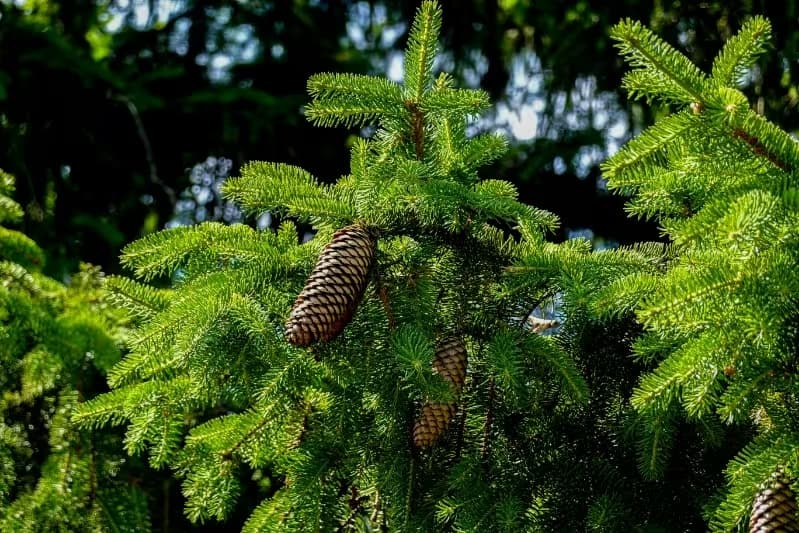
European Picea abies specimens are low toxicity, while related non-European species may have higher toxicity levels
Only fully dried Norway spruce should be fed to animals to reduce poisoning risk
Severe ingestion cases can cause kidney/liver damage, neurological impairment, and fatal respiratory paralysis
FAQ
Is Norway spruce toxic to Humans?
No specific human toxicity data documented; incidental ingestion may cause mild gastrointestinal irritation (Low)
Is Norway spruce toxic to Cats?
No species-specific cat toxicity data available; low risk of mild gastrointestinal upset if ingested (Low)
Is Norway spruce toxic to Dogs?
No species-specific dog toxicity data available; low risk of mild gastrointestinal upset if ingested (Low)
Is Norway spruce toxic to Horses?
No species-specific horse toxicity data available; low risk of gastrointestinal or mild organ irritation if ingested (Low)
Toxicity Details
No specific human toxicity data documented; incidental ingestion may cause mild gastrointestinal irritation
No species-specific cat toxicity data available; low risk of mild gastrointestinal upset if ingested
No species-specific dog toxicity data available; low risk of mild gastrointestinal upset if ingested
No species-specific horse toxicity data available; low risk of gastrointestinal or mild organ irritation if ingested
Toxicity Snapshot
First Aid & Prevention
First 30 Minutes
- • Remove remaining plant material from the animal's mouth and surrounding area
- • Induce vomiting only if ingestion occurred <2 hours prior and the animal is fully conscious
- • Administer activated charcoal to bind unabsorbed toxic compounds
Contact Vet Immediately
- • If the animal shows hypersalivation, reddened mucous membranes, vomiting or diarrhea
- • If the animal experiences weakness, hind limb paralysis, seizures or altered mental state
- • If ingested by a pregnant ruminant, as related conifer species are proven to cause abortion
Prevention
- • Only feed fully dried Norway spruce to animals if intended for consumption
- • Keep fresh Norway spruce clippings and plant parts out of reach of pets and livestock
- • Avoid feeding unidentifiable conifer species to animals, as many have higher toxicity levels
Treatment & Prognosis
- • Perform targeted decontamination procedures as clinically indicated
- • Provide supportive care: fluid therapy for kidney function, anti-seizure medication for neurological symptoms, gastrointestinal protectants
- • Monitor liver and kidney function for 3 to 5 days post-exposure
Professional Toxicology
• Terpene and diterpene compounds exert direct nephrotoxic and neurotoxic effects on exposed organisms
• Toxins cause inflammation of the gastrointestinal tract, reduced rumen pH in ruminants, and kidney irritation
• Longer exposure leads to fatty degeneration of the liver and damage to the central nervous system
Information from CliniTox veterinary text.
The following plants look similar and may be confused:
Related Toxic Plants


Download PlantFun App
Identify, grow and care for plants effectively!
Instant Plant ID
Take a photo to quickly identify plants.
Smart Care Reminders
Generate watering and care schedules.
Toxicity & Disease Diagnosis
Identify toxic plants and pests with treatment advice.

Data Sources
This information is for reference only and does not constitute medical advice. If ingestion or poisoning is suspected, seek medical or veterinary attention immediately.