 PlantFun
Heartleaf philodendron Toxic?

All parts of the plant are toxic, containing needle-shaped calcium oxalate raphides and soluble oxalate compounds
Ingestion or contact causes immediate irritation, digestive upset, and may lead to organ damage if large amounts are consumed
Birds face extremely high risk of severe, life-threatening toxic reactions to this plant
FAQ
Is Heartleaf philodendron toxic to Humans?
Excessive salivation, vomiting, diarrhea, gum/gastrointestinal/uterine bleeding, difficulty breathing/swallowing, seizures, low blood pressure, irregular heartbeat, liver and kidney damage at high doses (Moderate)
Is Heartleaf philodendron toxic to Cats?
Oral irritation, excessive drooling, vomiting, diarrhea, difficulty swallowing, potential organ damage with large ingestions (Moderate)
Is Heartleaf philodendron toxic to Dogs?
Oral irritation, excessive drooling, vomiting, diarrhea, difficulty swallowing, potential organ damage with large ingestions (Moderate)
Is Heartleaf philodendron toxic to Horses?
Oral irritation, excessive drooling, vomiting, diarrhea, difficulty swallowing, potential organ damage with large ingestions (Moderate)
Toxicity Details
Excessive salivation, vomiting, diarrhea, gum/gastrointestinal/uterine bleeding, difficulty breathing/swallowing, seizures, low blood pressure, irregular heartbeat, liver and kidney damage at high doses
Oral irritation, excessive drooling, vomiting, diarrhea, difficulty swallowing, potential organ damage with large ingestions
Oral irritation, excessive drooling, vomiting, diarrhea, difficulty swallowing, potential organ damage with large ingestions
Oral irritation, excessive drooling, vomiting, diarrhea, difficulty swallowing, potential organ damage with large ingestions
Toxicity Snapshot
First Aid & Prevention
First 30 Minutes
- • Rinse affected mucous membrane areas (mouth, eyes) thoroughly with cool clean water to remove residual plant material
- • Offer small sips of plain water or milk to dilute oxalates if the plant was ingested
- • Do not induce vomiting unless explicitly directed by a healthcare provider or veterinarian
Contact Vet Immediately
- • Presence of excessive drooling, facial swelling, difficulty breathing or swallowing
- • Persistent vomiting, diarrhea, or signs of bleeding from gums, stool, or other areas
- • Seizures, lethargy, irregular heartbeat, or collapse after large ingestion
Prevention
- • Keep the plant out of reach of children, pets, and caged birds
- • Wear disposable gloves when handling the plant to avoid skin irritation from sap
- • Wash hands thoroughly with soap and water after touching any part of the plant
Treatment & Prognosis
- • Perform decontamination of affected areas and gastrointestinal tract if ingestion was recent
- • Administer symptomatic care including pain relievers, antihistamines, or glucocorticoids for severe swelling
- • Provide calcium supplementation for very large ingestions, plus supportive care for any liver or kidney damage
Professional Toxicology
• Needle-shaped calcium oxalate raphides penetrate mucous membranes on contact, causing immediate pain, irritation, and swelling
• Soluble oxalate compounds bind to systemic calcium, leading to hypocalcemia and organ tissue damage with large ingestions
Information from CliniTox veterinary text.
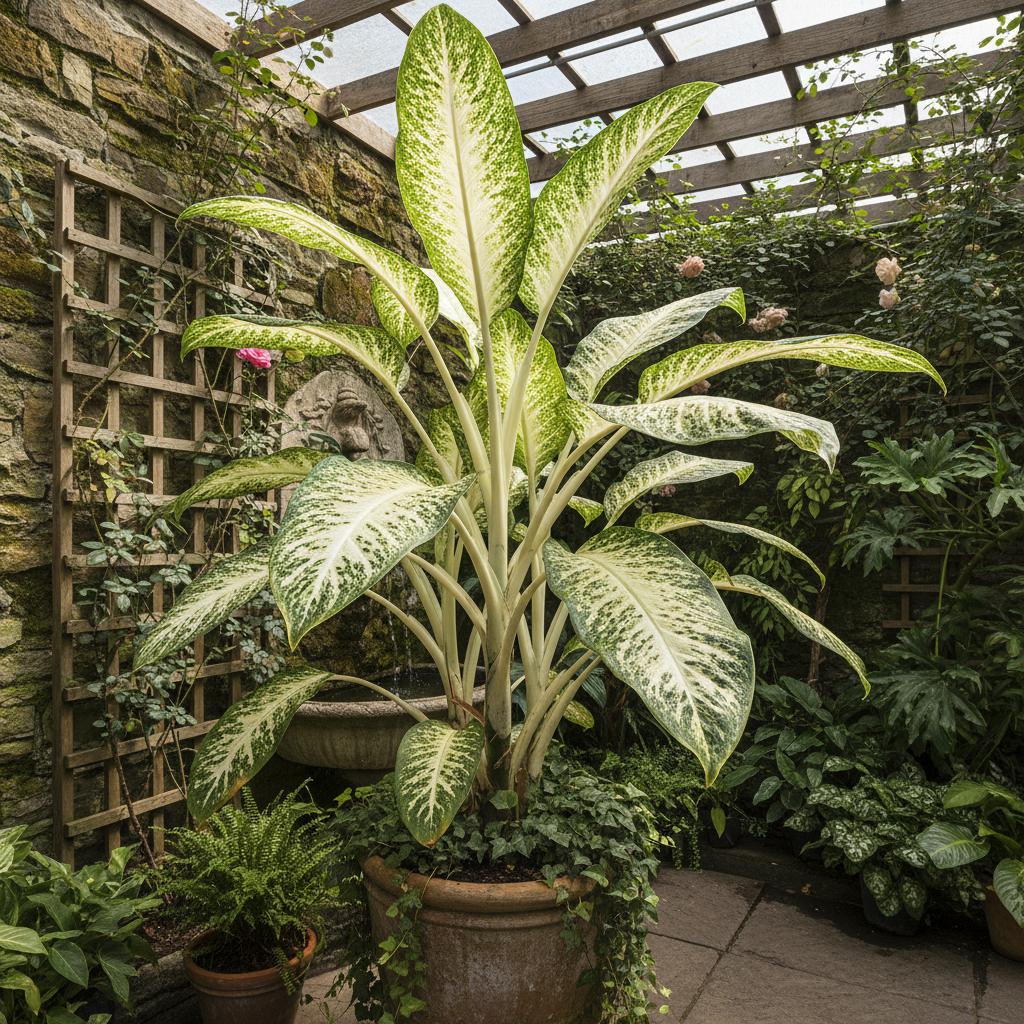
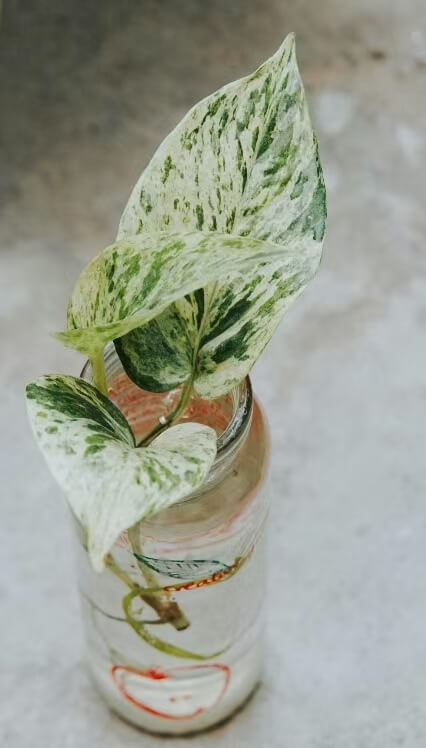
The following plants look similar and may be confused:
Related Toxic Plants

Download PlantFun App
Identify, grow and care for plants effectively!
Instant Plant ID
Take a photo to quickly identify plants.
Smart Care Reminders
Generate watering and care schedules.
Toxicity & Disease Diagnosis
Identify toxic plants and pests with treatment advice.

Data Sources
This information is for reference only and does not constitute medical advice. If ingestion or poisoning is suspected, seek medical or veterinary attention immediately.