 PlantFun
Sacred Bamboo Toxic?

Nandina domestica is confirmed toxic to cats, dogs, and horses per ASPCA toxicology data
Its primary toxic component is cyanogenic glycosides, which produce cyanide after ingestion
While pet fatalities are rare, ingestion can cause seizures, coma, or respiratory failure without prompt care
FAQ
Is Sacred Bamboo toxic to Humans?
No confirmed severe human toxicity cases are documented, but accidental ingestion may cause mild gastrointestinal distress (Low)
Is Sacred Bamboo toxic to Cats?
Weakness, incoordination, seizures, coma, respiratory failure, rare fatalities (High)
Is Sacred Bamboo toxic to Dogs?
Weakness, incoordination, seizures, coma, respiratory failure, rare fatalities (High)
Is Sacred Bamboo toxic to Horses?
Weakness, incoordination, seizures, coma, respiratory failure, rare fatalities (High)
Toxicity Details
No confirmed severe human toxicity cases are documented, but accidental ingestion may cause mild gastrointestinal distress
Weakness, incoordination, seizures, coma, respiratory failure, rare fatalities
Weakness, incoordination, seizures, coma, respiratory failure, rare fatalities
Weakness, incoordination, seizures, coma, respiratory failure, rare fatalities
Toxicity Snapshot
First Aid & Prevention
First 30 Minutes
- • Remove any remaining plant material from the affected animal's mouth and rinse thoroughly with clean water
- • Do not induce vomiting unless explicitly directed to do so by a licensed veterinarian
- • Collect a sample of the ingested plant to provide to your vet for fast, accurate diagnosis
Contact Vet Immediately
- • Your pet or horse has ingested any quantity of Nandina domestica, even if no symptoms are present
- • You observe symptoms including weakness, uncoordinated movement, seizures, or respiratory distress
- • The affected animal loses consciousness or becomes unresponsive after potential exposure
Prevention
- • Avoid planting Sacred Bamboo in areas accessible to pets, livestock, or grazing horses
- • Securely dispose of all pruned Nandina clippings and fallen berries to prevent accidental animal access
- • Learn to identify Sacred Bamboo to avoid accidental purchase or planting in pet-friendly spaces
Treatment & Prognosis
- • Veterinarians may administer activated charcoal to bind unabsorbed toxins in the gastrointestinal tract
- • Supportive care including IV fluids, anti-seizure medication, and oxygen therapy will be provided as needed
- • Cyanide antidote therapy may be administered in severe, confirmed cases of poisoning
Professional Toxicology
• Cyanogenic glycosides are broken down in the digestive tract to release hydrogen cyanide after ingestion
• Cyanide inhibits cellular oxygen uptake, leading to widespread tissue hypoxia and organ dysfunction
Information from CliniTox veterinary text.
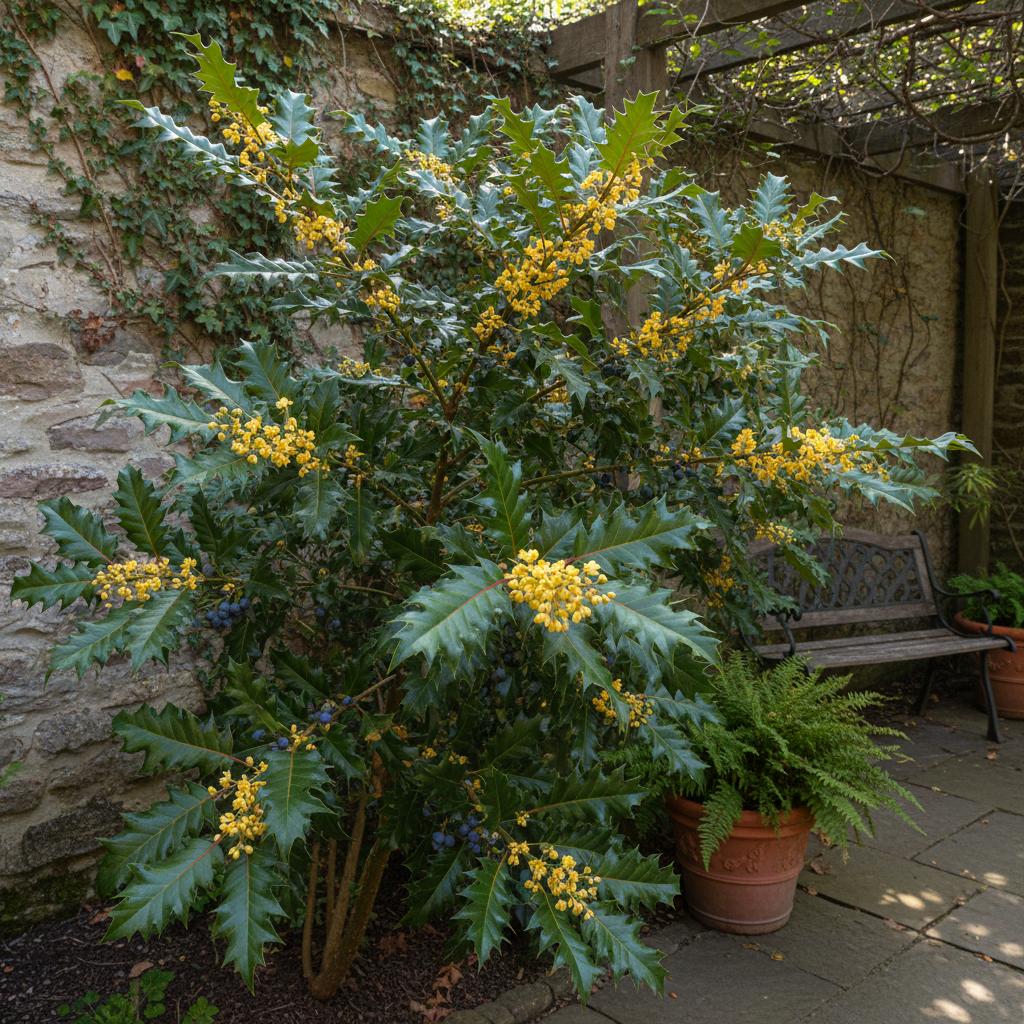
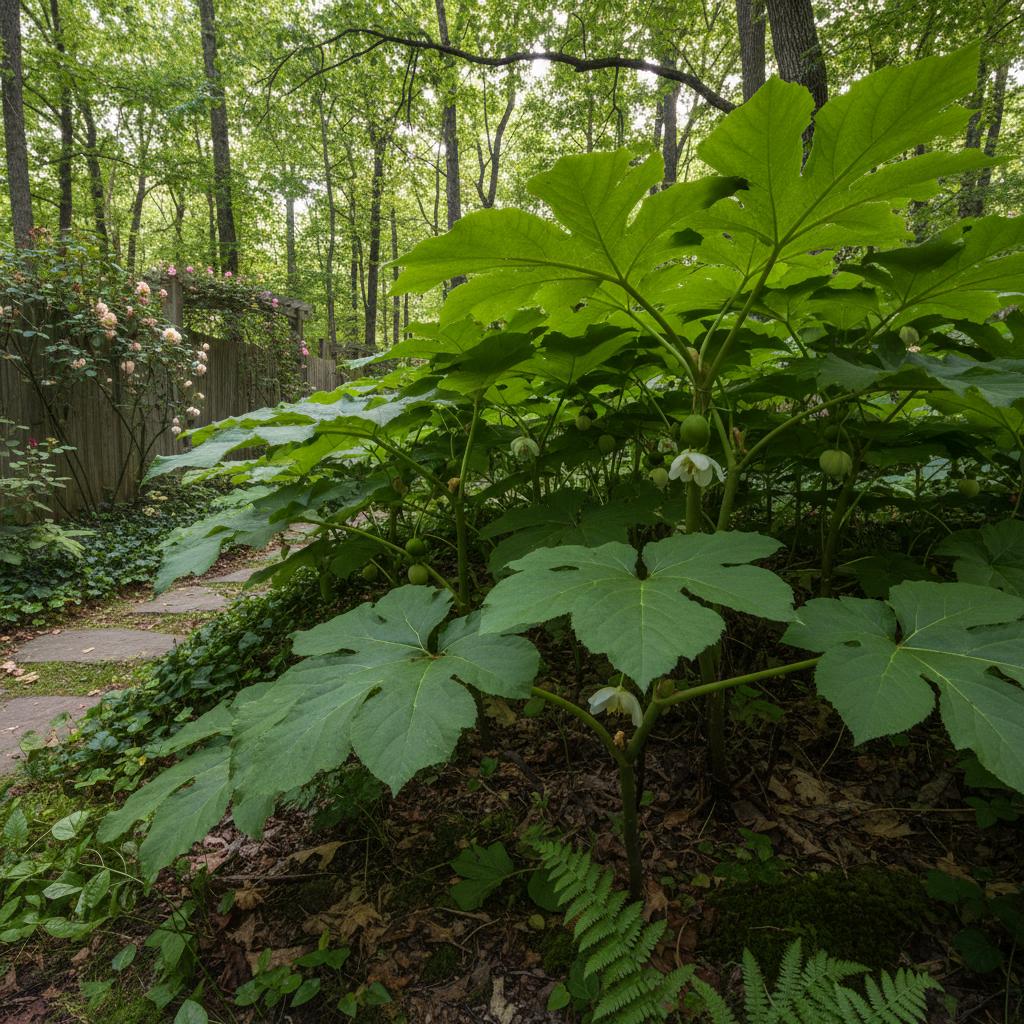
The following plants look similar and may be confused:
Related Toxic Plants

Download PlantFun App
Identify, grow and care for plants effectively!
Instant Plant ID
Take a photo to quickly identify plants.
Smart Care Reminders
Generate watering and care schedules.
Toxicity & Disease Diagnosis
Identify toxic plants and pests with treatment advice.

Data Sources
This information is for reference only and does not constitute medical advice. If ingestion or poisoning is suspected, seek medical or veterinary attention immediately.