 PlantFun
Mulberry Tree Toxic?
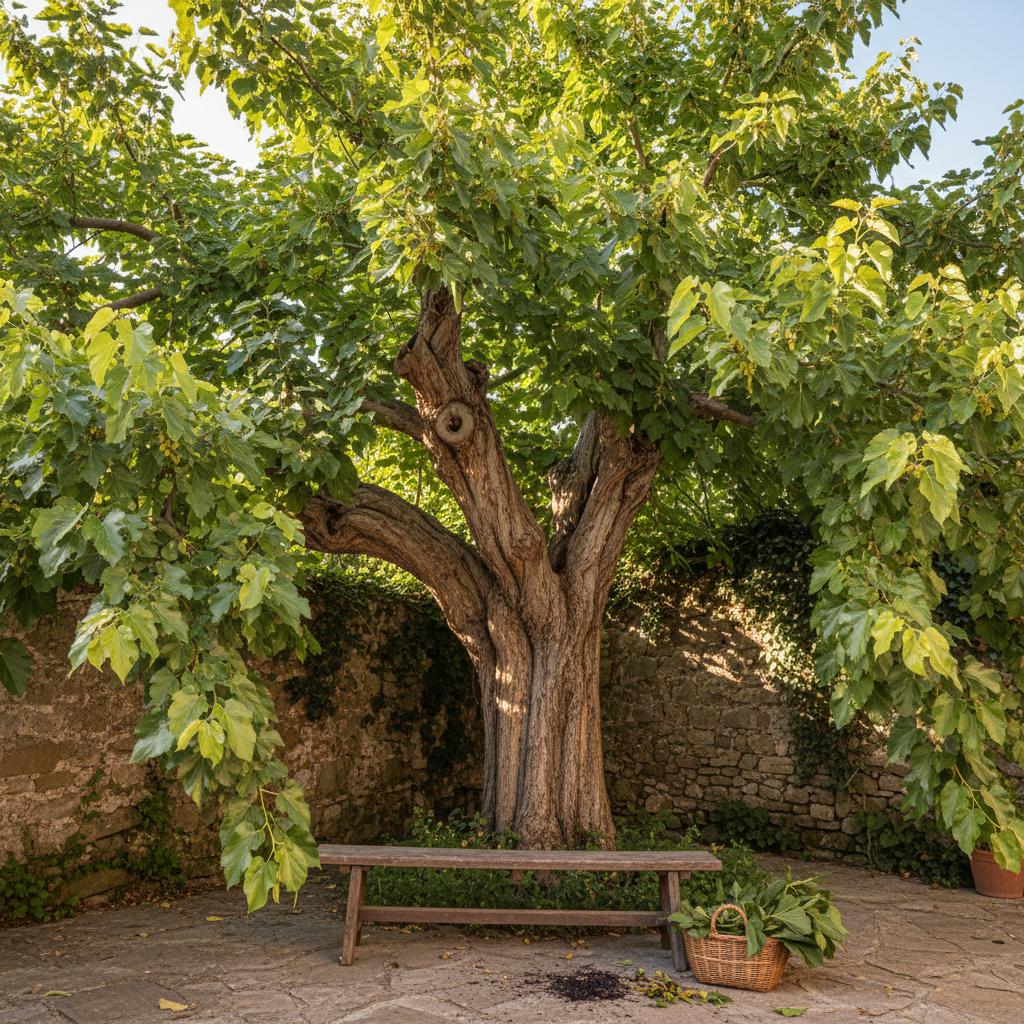
Mulberry trees are classified as non-toxic to cats, dogs, and horses by official ASPCA toxicology assessments
No toxic principles have been identified in any plant parts of the Morus genus
Accidental ingestion of mulberry leaves, bark, or fruits is not expected to cause severe adverse toxic effects
FAQ
Is Mulberry Tree toxic to Humans?
No toxic symptoms expected; rare mild, transient gastrointestinal upset may occur with overconsumption of unripe fruits (Non-toxic)
Is Mulberry Tree toxic to Cats?
No toxic symptoms expected; mild temporary loose stools may occur in rare cases of overconsumption (Non-toxic)
Is Mulberry Tree toxic to Dogs?
No toxic symptoms expected; mild temporary loose stools may occur in rare cases of overconsumption (Non-toxic)
Is Mulberry Tree toxic to Horses?
No toxic symptoms expected; overconsumption of fallen overripe fruits may cause mild bloating in rare cases (Non-toxic)
Toxicity Details
No toxic symptoms expected; rare mild, transient gastrointestinal upset may occur with overconsumption of unripe fruits
No toxic symptoms expected; mild temporary loose stools may occur in rare cases of overconsumption
No toxic symptoms expected; mild temporary loose stools may occur in rare cases of overconsumption
No toxic symptoms expected; overconsumption of fallen overripe fruits may cause mild bloating in rare cases
Toxicity Snapshot
First Aid & Prevention
First 30 Minutes
- • Rinse mouth of any remaining plant debris if large amounts of unripe fruit or bark were ingested
- • Monitor for mild gastrointestinal discomfort such as bloating or loose stools
- • Offer small amounts of fresh water to support digestion if significant quantities of plant material were consumed
Contact Vet Immediately
- • Gastrointestinal symptoms persist for more than 24 hours post-ingestion
- • Signs of allergic reaction (hives, swelling, difficulty breathing) appear after exposure
- • Unusual behavioral changes are observed alongside ingestion of very large quantities of plant material
Prevention
- • Limit access to large volumes of unripe mulberry fruits to avoid mild digestive upset
- • Wash harvested ripe mulberries thoroughly before human consumption to remove surface contaminants
- • Regularly clean up fallen overripe fruits to prevent unintentional overconsumption by pets or livestock
Treatment & Prognosis
- • Supportive care only for rare mild gastrointestinal symptoms, including temporary dietary restriction and fluid administration
- • Antihistamines may be administered under medical guidance for rare allergic reactions
- • No specific antidote is required as no toxic compounds are present in the plant
Professional Toxicology
• No toxic mechanism identified; rare mild gastrointestinal irritation from overconsumption of unripe plant parts is non-toxic in origin
Information from CliniTox veterinary text.
The following plants look similar and may be confused:
Related Toxic Plants



Download PlantFun App
Identify, grow and care for plants effectively!
Instant Plant ID
Take a photo to quickly identify plants.
Smart Care Reminders
Generate watering and care schedules.
Toxicity & Disease Diagnosis
Identify toxic plants and pests with treatment advice.

Data Sources
This information is for reference only and does not constitute medical advice. If ingestion or poisoning is suspected, seek medical or veterinary attention immediately.