 PlantFun
Perennial ryegrass Toxic?
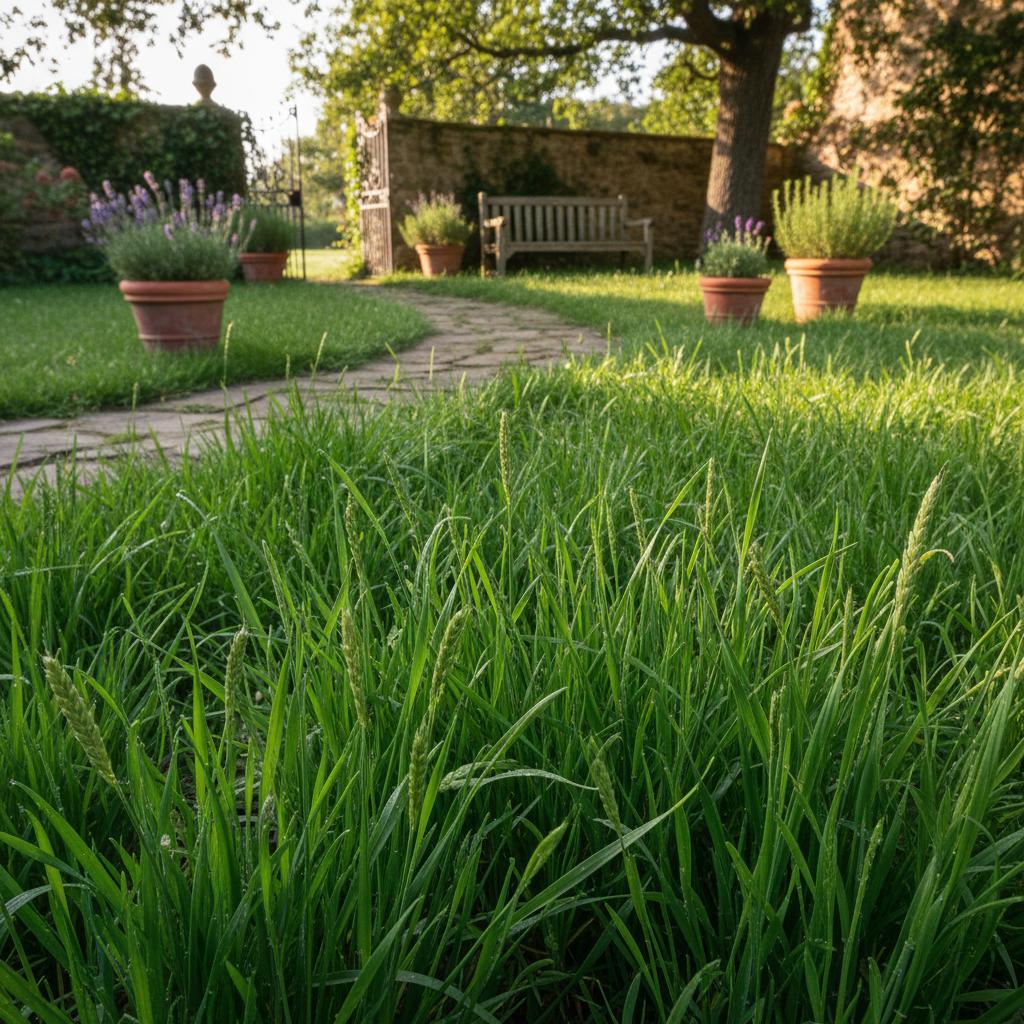
Only ryegrass infected with invisible endophytic fungi is toxic, with 87% of tested German populations carrying the endophyte
Toxicity stems from indole alkaloid Lolitrem B and ergot alkaloid Ergopeptin Ergov produced by the fungus
Most affected animals recover fully within 10 days of stopping consumption of infected plant material
FAQ
Is Perennial ryegrass toxic to Humans?
No documented toxicity symptoms in humans per available data (Non-toxic)
Is Perennial ryegrass toxic to Cats?
No documented toxicity symptoms in cats per available data (Non-toxic)
Is Perennial ryegrass toxic to Dogs?
No documented toxicity symptoms in dogs per available data (Non-toxic)
Is Perennial ryegrass toxic to Horses?
Mild cases present with muscle tremors in the neck, shoulders, and flanks; severe cases involve full-body tremors, extended immobility, and impaired gastrointestinal motility (Low)
Toxicity Details
No documented toxicity symptoms in humans per available data
No documented toxicity symptoms in cats per available data
No documented toxicity symptoms in dogs per available data
Mild cases present with muscle tremors in the neck, shoulders, and flanks; severe cases involve full-body tremors, extended immobility, and impaired gastrointestinal motility
Toxicity Snapshot
First Aid & Prevention
First 30 Minutes
- • Immediately remove all suspected infected ryegrass forage/feed from animal access
- • Move affected animals to a quiet, low-stress resting area to avoid exacerbating tremors
- • Collect a sample of consumed plant material for endophyte infection testing
Contact Vet Immediately
- • Animal displays visible muscle tremors, difficulty moving, or loss of coordination
- • Animal has reduced appetite, abdominal discomfort, or reduced gastrointestinal motility
- • Symptoms persist more than 24 hours after removing access to suspect ryegrass
Prevention
- • Test pasture ryegrass populations for endophyte infection before allowing livestock grazing
- • Use certified endophyte-free perennial ryegrass seed when planting forage pastures
- • Monitor grazing livestock regularly for early signs of tremors or mobility issues
Treatment & Prognosis
- • Administer veterinarian-directed gastrointestinal decontamination for recent large ingestions
- • Provide supportive symptomatic care to manage tremors and correct gastrointestinal dysfunction
- • Ensure continuous access to clean water and unrestricted rest until symptoms fully resolve
Professional Toxicology
• Endophytic fungus Epichloë festucae var. lolii lives invisibly in intercellular spaces of the plant, producing toxic alkaloids
• Lolitrem B disrupts normal neuromuscular function to cause tremors, and reduces gastrointestinal tract motility
• The fungus is transmitted to new plants via infected seeds, with 87% of tested German populations carrying the endophyte
Information from CliniTox veterinary text.
The following plants look similar and may be confused:
Related Toxic Plants



Download PlantFun App
Identify, grow and care for plants effectively!
Instant Plant ID
Take a photo to quickly identify plants.
Smart Care Reminders
Generate watering and care schedules.
Toxicity & Disease Diagnosis
Identify toxic plants and pests with treatment advice.

Data Sources
This information is for reference only and does not constitute medical advice. If ingestion or poisoning is suspected, seek medical or veterinary attention immediately.