 PlantFun
Common Privet Toxic?

All parts of Common Privet (leaves, berries, bark) are toxic to cats, dogs, horses, and ruminant livestock including cattle and sheep
Ingestion can cause severe symptoms in equines and ruminants, with documented fatalities occurring 4 to 48 hours post-exposure
No specific antidote exists, so treatment relies on prompt decontamination and targeted symptomatic supportive care
FAQ
Is Common Privet toxic to Humans?
No specific human toxicity data is available in the source dataset, but ingestion is expected to cause gastrointestinal distress, dizziness, and potential cardiac effects consistent with its toxic compounds (Low)
Is Common Privet toxic to Cats?
Drooling, abdominal pain, diarrhea, lethargy/depression (Moderate)
Is Common Privet toxic to Dogs?
Drooling, abdominal pain, diarrhea, lethargy/depression (Moderate)
Is Common Privet toxic to Horses?
Colic, incoordination, staggering, recumbency, hind limb paralysis, rapid heart rate, hyperemic mucous membranes, elevated body temperature, dilated pupils, potentially fatal outcomes (Moderate)
Toxicity Details
No specific human toxicity data is available in the source dataset, but ingestion is expected to cause gastrointestinal distress, dizziness, and potential cardiac effects consistent with its toxic compounds
Drooling, abdominal pain, diarrhea, lethargy/depression
Drooling, abdominal pain, diarrhea, lethargy/depression
Colic, incoordination, staggering, recumbency, hind limb paralysis, rapid heart rate, hyperemic mucous membranes, elevated body temperature, dilated pupils, potentially fatal outcomes
Toxicity Snapshot
First Aid & Prevention
First 30 Minutes
- • Immediately remove all remaining plant material from the affected animal's mouth and nearby area to prevent further ingestion
- • Do not induce vomiting, administer food, or give any home remedies unless explicitly directed by a licensed veterinarian
- • Collect a full sample of the ingested plant to provide to your veterinarian for accurate identification
Contact Vet Immediately
- • If you confirm or suspect your pet or livestock has ingested any part of a Common Privet plant, even if no symptoms are visible
- • If any clinical signs including drooling, abdominal pain, diarrhea, incoordination, or lethargy develop after potential exposure
- • If the exposed animal is a horse, cow, or sheep, as fatal poisoning outcomes are well-documented for these species
Prevention
- • Avoid planting Common Privet in yards, pastures, or other areas accessible to pets, livestock, or young children
- • Remove any wild-growing Ligustrum vulgare plants from animal enclosures, grazing areas, and pet play spaces
- • Educate all household members and farm staff to recognize this plant and avoid exposing animals to it
Treatment & Prognosis
- • Perform veterinary-supervised decontamination (e.g. activated charcoal administration) if ingestion occurred within the previous 2 hours
- • Administer symptomatic supportive care including intravenous fluid therapy, pain management, and cardiac monitoring as clinically indicated
- • Monitor the patient's vital signs (heart rate, respiratory rate, body temperature) for a minimum of 48 hours post-exposure, especially for equine and ruminant patients
Professional Toxicology
• Cardiac glycosides disrupt normal cardiac function by inhibiting sodium-potassium ATPase pumps in heart muscle cells
• Saponins and tannins irritate the gastrointestinal lining, causing abdominal pain, diarrhea, and digestive dysfunction
• Protoanemonin and seco-iridoid compounds contribute to nervous system impairment and mucous membrane irritation
Information from CliniTox veterinary text.
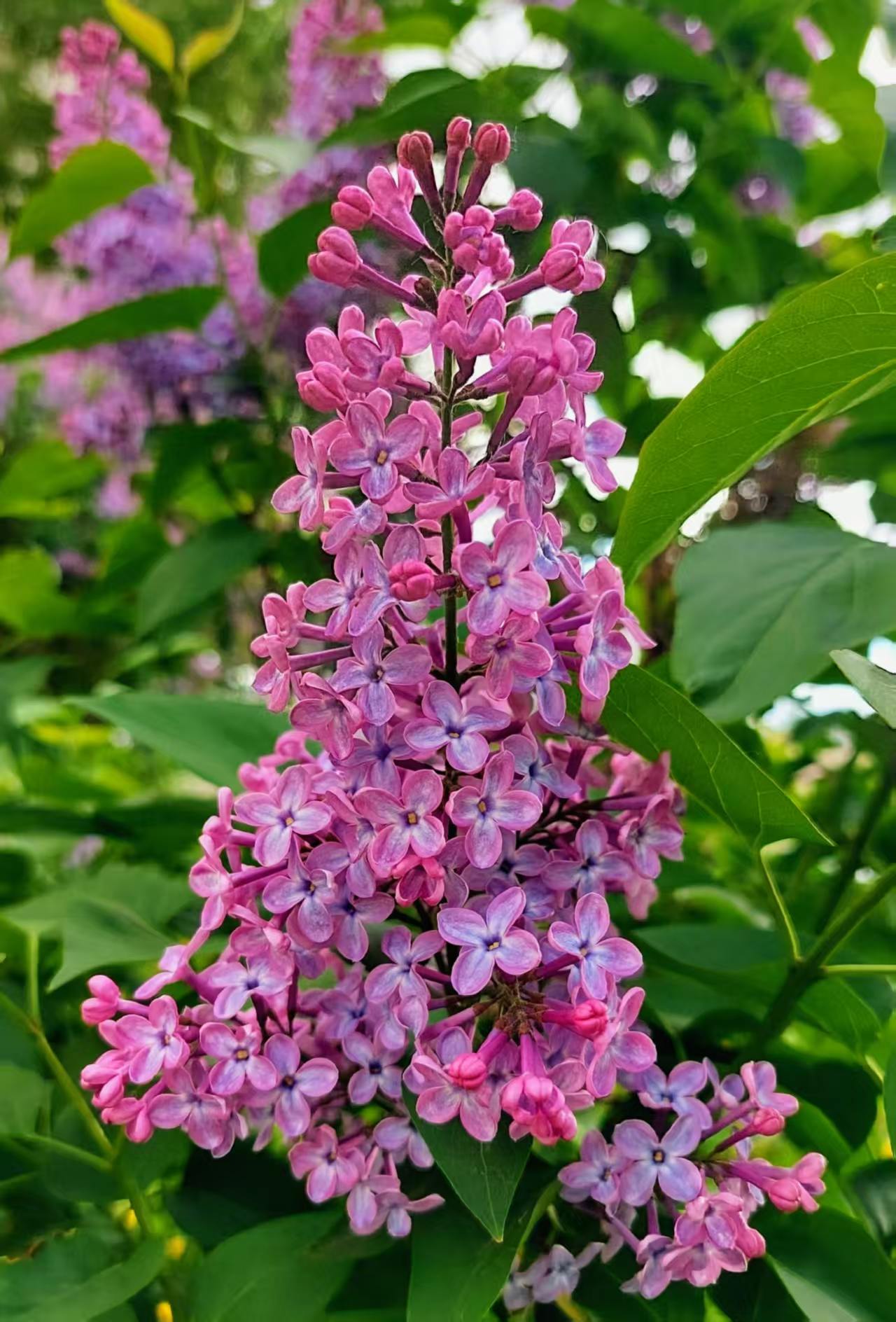
The following plants look similar and may be confused:
Related Toxic Plants


Download PlantFun App
Identify, grow and care for plants effectively!
Instant Plant ID
Take a photo to quickly identify plants.
Smart Care Reminders
Generate watering and care schedules.
Toxicity & Disease Diagnosis
Identify toxic plants and pests with treatment advice.

Data Sources
This information is for reference only and does not constitute medical advice. If ingestion or poisoning is suspected, seek medical or veterinary attention immediately.