 PlantFun
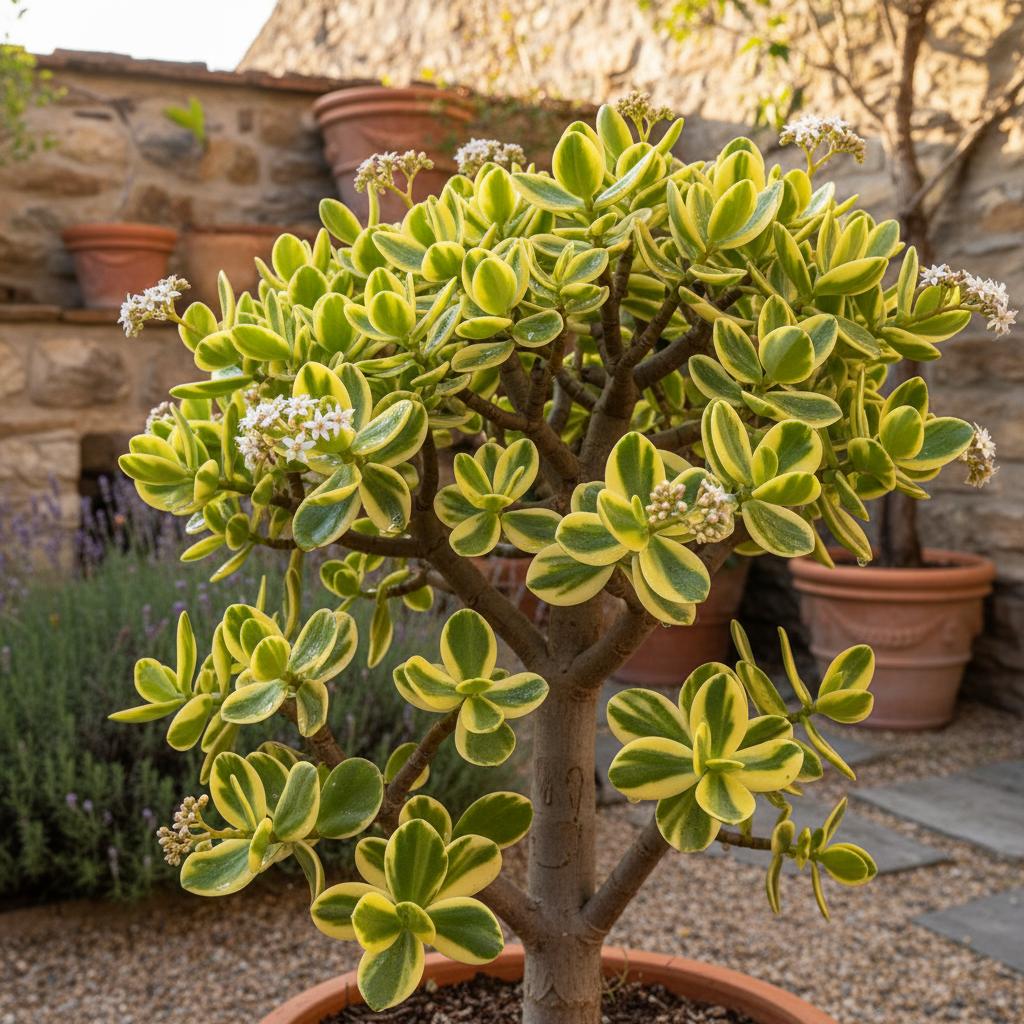
Mother-In-Law Plant Toxic?
This plant is confirmed toxic to cats and dogs, while equine toxicity risk remains unconfirmed
Bufodienolides are the documented primary toxic compound per ASPCA datasets
Ingestion typically causes gastrointestinal distress, with rare cases of abnormal heart rhythm reported
FAQ
Is Mother-In-Law Plant toxic to Humans?
No confirmed human toxicity data available, but ingestion may cause mild gastrointestinal upset and rare cardiac effects consistent with bufodienolide exposure (Low)
Is Mother-In-Law Plant toxic to Cats?
Vomiting, diarrhea, rare occurrences of abnormal heart rhythm (Moderate)
Is Mother-In-Law Plant toxic to Dogs?
Vomiting, diarrhea, rare occurrences of abnormal heart rhythm (Moderate)
Is Mother-In-Law Plant toxic to Horses?
Toxicity risk is unconfirmed; no standardized symptom set is formally documented (Low)
Toxicity Details
No confirmed human toxicity data available, but ingestion may cause mild gastrointestinal upset and rare cardiac effects consistent with bufodienolide exposure
Vomiting, diarrhea, rare occurrences of abnormal heart rhythm
Vomiting, diarrhea, rare occurrences of abnormal heart rhythm
Toxicity risk is unconfirmed; no standardized symptom set is formally documented
Toxicity Snapshot
First Aid & Prevention
First 30 Minutes
- • Immediately remove any remaining plant material from the mouth of the exposed person or animal
- • Rinse the mouth thoroughly with clean cool water to eliminate residual plant debris
- • Do not induce vomiting unless explicitly directed to do so by a medical professional or veterinarian
Contact Vet Immediately
- • Your cat or dog has ingested any quantity of this plant
- • An exposed animal exhibits vomiting, diarrhea, lethargy, or changes in heart rate/breathing
- • You suspect your horse has consumed large volumes of this plant, as toxicity risk is unconfirmed
Prevention
- • Keep potted specimens out of reach of cats, dogs, and grazing livestock including horses
- • Clearly label household Kalanchoe tubiflora plants to avoid accidental ingestion by children or pets
- • Remove wild-growing specimens from pastures and pet-accessible outdoor spaces
Treatment & Prognosis
- • Veterinarians may administer activated charcoal and induce vomiting for recent ingestions to reduce toxin absorption
- • Supportive care including fluid therapy and anti-emetics may be provided to manage gastrointestinal symptoms
- • Cardiac monitoring and targeted anti-arrhythmic medication will be administered if abnormal heart rhythm is detected
Professional Toxicology
• Bufodienolides act as cardiac glycosides, inhibiting sodium-potassium ATPase pumps in cell membranes to disrupt normal cardiac function
• Compounds also irritate the gastrointestinal mucosal lining, triggering vomiting and diarrhea
Information from CliniTox veterinary text.
The following plants look similar and may be confused:
Related Toxic Plants


Download PlantFun App
Identify, grow and care for plants effectively!
Instant Plant ID
Take a photo to quickly identify plants.
Smart Care Reminders
Generate watering and care schedules.
Toxicity & Disease Diagnosis
Identify toxic plants and pests with treatment advice.

Data Sources
This information is for reference only and does not constitute medical advice. If ingestion or poisoning is suspected, seek medical or veterinary attention immediately.