 PlantFun
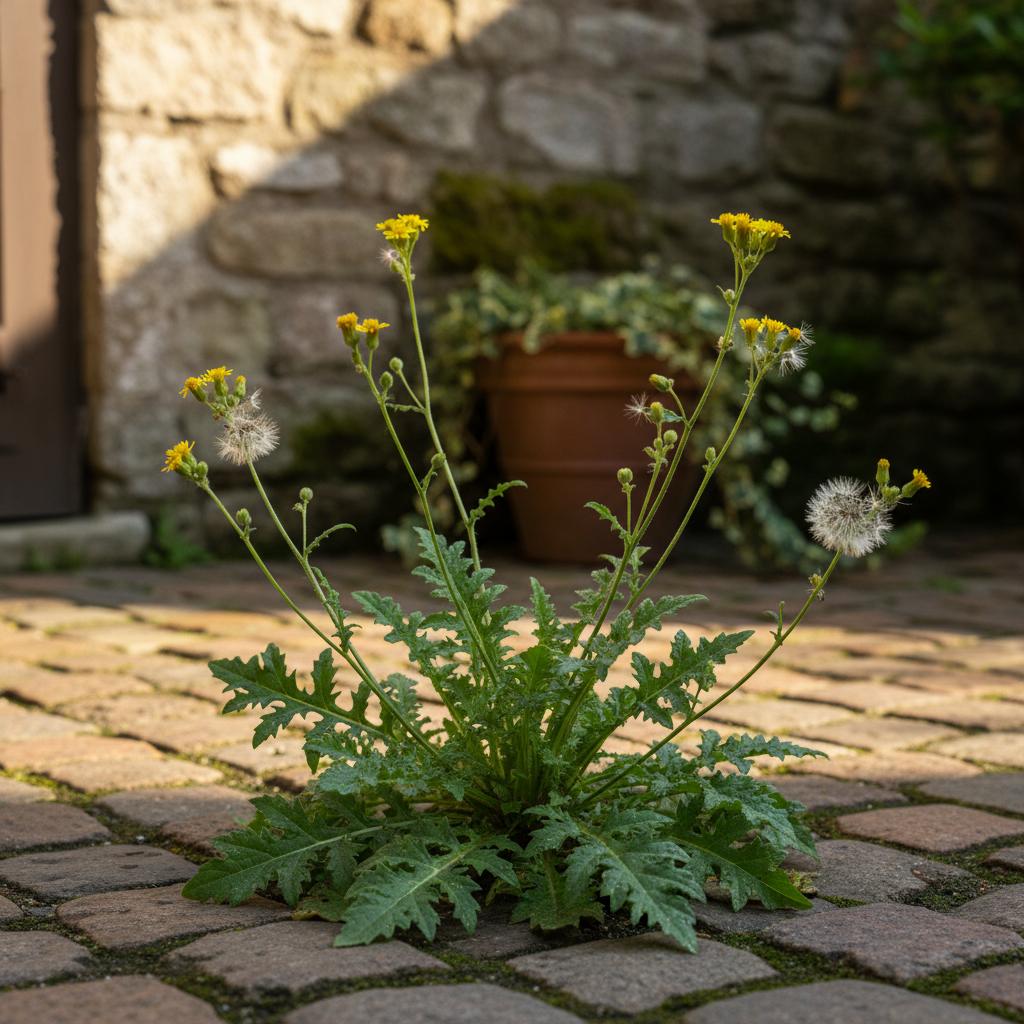
Silver ragwort Toxic?

Pyrrolizidine alkaloid toxins remain fully active in dried hay, silage, and even after cooking, so contaminated feed remains dangerous long term.
No curative treatment exists for confirmed poisoning; immediate removal of all contaminated feed is the only critical intervention.
Pigs, horses, cattle, and chickens are the most sensitive exposed species, while sheep and goats have relatively higher tolerance to toxins.
FAQ
Is Silver ragwort toxic to Humans?
No specific clinical symptom data is available for humans; monitor for signs of liver damage (jaundice, abdominal pain, fatigue) if ingestion is suspected. (High)
Is Silver ragwort toxic to Cats?
No specific clinical symptom data is available for cats; monitor for lethargy, loss of appetite, and jaundice if ingestion is confirmed. (High)
Is Silver ragwort toxic to Dogs?
No specific clinical symptom data is available for dogs; monitor for weakness, reduced feed intake, and jaundice if ingestion is confirmed. (High)
Is Silver ragwort toxic to Horses?
May develop seneciosis (Schweinsberger disease); first chronic symptoms appear 3 days to 6 months post-ingestion, with a rapidly progressive terminal stage that is almost always fatal. (Severe)
Toxicity Details
No specific clinical symptom data is available for humans; monitor for signs of liver damage (jaundice, abdominal pain, fatigue) if ingestion is suspected.
No specific clinical symptom data is available for cats; monitor for lethargy, loss of appetite, and jaundice if ingestion is confirmed.
No specific clinical symptom data is available for dogs; monitor for weakness, reduced feed intake, and jaundice if ingestion is confirmed.
May develop seneciosis (Schweinsberger disease); first chronic symptoms appear 3 days to 6 months post-ingestion, with a rapidly progressive terminal stage that is almost always fatal.
Toxicity Snapshot
First Aid & Prevention
First 30 Minutes
- • Immediately remove all access to the plant or potentially contaminated feed sources.
- • Collect a sample of the suspected ingested plant for formal identification if possible.
- • Closely monitor the exposed individual for signs of lethargy, reduced appetite, or jaundice.
Contact Vet Immediately
- • If ingestion of any quantity of silver ragwort is confirmed in pets or livestock.
- • If signs of weakness, jaundice, neurological changes, or sudden weight loss appear post-exposure.
- • If exposure occurs in high-sensitivity species including horses, pigs, cattle, or chickens.
Prevention
- • Inspect all pasture, hay, and silage for silver ragwort presence before feeding to livestock.
- • Avoid planting silver ragwort in gardens or grazing areas accessible to pets or farm animals.
- • Train animal caretakers to identify silver ragwort and other toxic Senecio species to avoid accidental exposure.
Treatment & Prognosis
- • No curative treatment exists for silver ragwort poisoning.
- • Immediately cease all access to feed containing pyrrolizidine alkaloids to prevent further toxin accumulation.
- • Administer veterinarian-directed supportive care to reduce liver damage symptoms and improve quality of life.
Professional Toxicology
• Pyrrolizidine alkaloids are metabolized in the liver into reactive intermediates that cause irreversible liver cell necrosis and scarring.
• Toxins are cumulative, so repeated low-level exposure leads to progressive chronic liver failure over weeks to months.
• Oxalate compounds may contribute to mild kidney irritation in cases of high-volume exposure.
Information from CliniTox veterinary text.
The following plants look similar and may be confused:
Related Toxic Plants

Download PlantFun App
Identify, grow and care for plants effectively!
Instant Plant ID
Take a photo to quickly identify plants.
Smart Care Reminders
Generate watering and care schedules.
Toxicity & Disease Diagnosis
Identify toxic plants and pests with treatment advice.

Data Sources
This information is for reference only and does not constitute medical advice. If ingestion or poisoning is suspected, seek medical or veterinary attention immediately.