 PlantFun
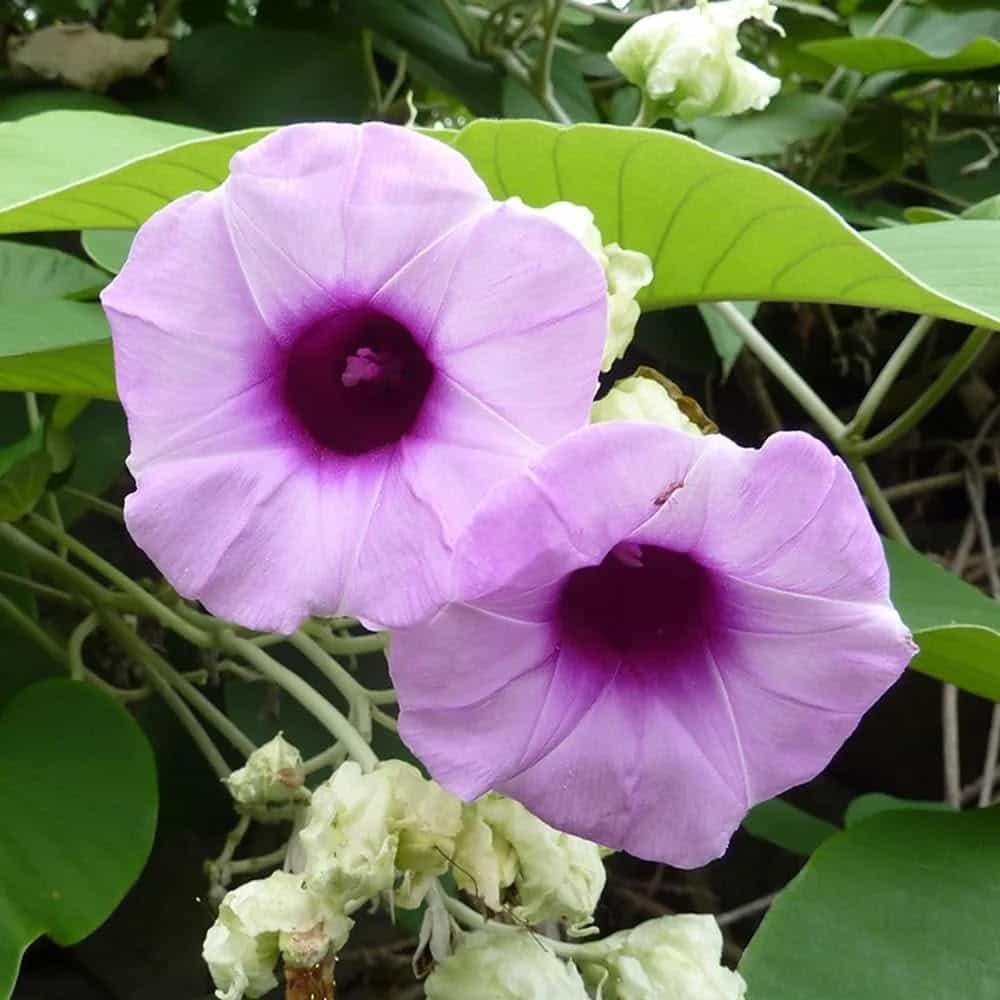
Mexican morning glory Toxic?

All plant parts except roots are toxic, with seeds containing the highest concentration of ergoline alkaloids
Ingestion causes psychoactive symptoms including hallucinations, disorientation, tachycardia and gastrointestinal distress
The plant is easily confused with other Ipomoea species and Convolvulus tricolor, which may also have toxic properties
FAQ
Is Mexican morning glory toxic to Humans?
Sedation, clouded consciousness, hallucinations, restlessness, tachycardia, sweating, headaches, nausea, diarrhea (Moderate)
Is Mexican morning glory toxic to Cats?
No specific toxicity data available; ingestion may cause gastrointestinal distress, lethargy, or abnormal behavior (Unknown)
Is Mexican morning glory toxic to Dogs?
No specific toxicity data available; ingestion may cause gastrointestinal distress, lethargy, or abnormal behavior (Unknown)
Is Mexican morning glory toxic to Horses?
No specific toxicity data available; ingestion may cause gastrointestinal distress, lethargy, or abnormal behavior (Unknown)
Toxicity Details
Sedation, clouded consciousness, hallucinations, restlessness, tachycardia, sweating, headaches, nausea, diarrhea
No specific toxicity data available; ingestion may cause gastrointestinal distress, lethargy, or abnormal behavior
No specific toxicity data available; ingestion may cause gastrointestinal distress, lethargy, or abnormal behavior
No specific toxicity data available; ingestion may cause gastrointestinal distress, lethargy, or abnormal behavior
Toxicity Snapshot
First Aid & Prevention
First 30 Minutes
- • Rinse mouth thoroughly if plant material is ingested; do not induce vomiting unless instructed by a medical professional
- • Move affected individual (human or animal) to a quiet, safe space to prevent injury from disorientation or hallucinations
- • Collect a sample of the ingested plant for accurate species identification
Contact Vet Immediately
- • Your pet has ingested any part of the plant, especially seeds
- • Your pet exhibits abnormal behavior, disorientation, vomiting, or rapid heart rate after exposure
- • Skin or eye irritation occurs after contact with the plant
Prevention
- • Keep plants and harvested seeds out of reach of children and pets
- • Confirm plant identity to avoid confusion with non-toxic related ornamental species
- • Do not consume any part of the plant for recreational or medicinal purposes
Treatment & Prognosis
- • Provide supportive care including monitoring of heart rate and mental status
- • Administer activated charcoal to reduce toxin absorption if ingestion occurred within 2 hours
- • Provide symptomatic treatment for gastrointestinal distress, tachycardia, or agitation as directed by a medical/veterinary provider
Professional Toxicology
• Ergoline alkaloids bind to serotonin, dopamine, and adrenergic receptors in the central and peripheral nervous system
• Psychoactive lysergic acid amide (LSA) induces altered mental status, hallucinations, and autonomic dysfunction
Information from CliniTox veterinary text.
The following plants look similar and may be confused:
Related Toxic Plants

Download PlantFun App
Identify, grow and care for plants effectively!
Instant Plant ID
Take a photo to quickly identify plants.
Smart Care Reminders
Generate watering and care schedules.
Toxicity & Disease Diagnosis
Identify toxic plants and pests with treatment advice.

Data Sources
This information is for reference only and does not constitute medical advice. If ingestion or poisoning is suspected, seek medical or veterinary attention immediately.