 PlantFun
European Holly Toxic?
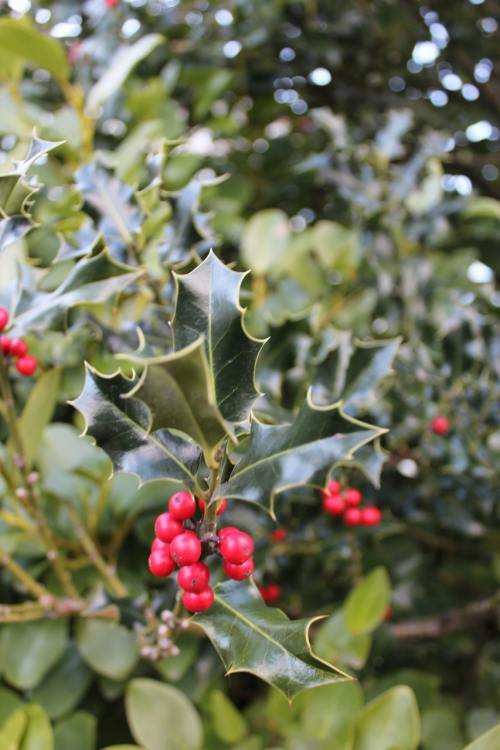
Leaves and red berries are toxic to cats, dogs, and horses due to saponin content.
Ingestion usually causes mild to moderate gastrointestinal upset, while large amounts may cause foreign body obstruction.
Spiky leaves can cause mechanical injury and ulceration to the mouth and digestive tract mucosa.
FAQ
Is European Holly toxic to Humans?
Limited clinical data available; ingestion may cause mild gastrointestinal distress including vomiting, diarrhea, and nausea. (Low)
Is European Holly toxic to Cats?
Hypersalivation, vomiting, anorexia, diarrhea, head shaking, lip smacking; possible mouth ulceration from spiky leaf edges. (Moderate)
Is European Holly toxic to Dogs?
Hypersalivation, vomiting, anorexia, diarrhea, head shaking, lip smacking; possible mouth ulceration from spiky leaf edges. (Moderate)
Is European Holly toxic to Horses?
Gastrointestinal distress including diarrhea and abdominal pain; large ingestion may lead to digestive tract obstruction. (Moderate)
Toxicity Details
Limited clinical data available; ingestion may cause mild gastrointestinal distress including vomiting, diarrhea, and nausea.
Hypersalivation, vomiting, anorexia, diarrhea, head shaking, lip smacking; possible mouth ulceration from spiky leaf edges.
Hypersalivation, vomiting, anorexia, diarrhea, head shaking, lip smacking; possible mouth ulceration from spiky leaf edges.
Gastrointestinal distress including diarrhea and abdominal pain; large ingestion may lead to digestive tract obstruction.
Toxicity Snapshot
First Aid & Prevention
First 30 Minutes
- • Remove all remaining plant material from the affected individual/pet's mouth immediately.
- • Offer small amounts of fresh water to dilute toxins if the affected party is conscious and alert.
- • Do not induce vomiting unless explicitly instructed to do so by a medical professional or veterinarian.
Contact Vet Immediately
- • If your pet has ingested more than 2 berries or 1 full leaf, or is showing any toxicity symptoms.
- • If the animal has excessive drooling, repeated vomiting, refusal to eat, or visible mouth sores.
- • If you notice signs of obstruction including abdominal pain, difficulty swallowing, or no bowel movements.
Prevention
- • Keep European Holly plants and decorative arrangements out of reach of pets, livestock, and small children.
- • Avoid planting this species in pastures or areas accessible to grazing animals like horses and sheep.
- • Regularly clean up fallen berries and leaves from yards and outdoor spaces to reduce accidental exposure risk.
Treatment & Prognosis
- • Decontamination only performed if large quantities of plant material were ingested, per professional guidance.
- • Symptomatic supportive care including fluid therapy and anti-emetics to relieve gastrointestinal symptoms.
- • Surgical intervention may be required if foreign body obstruction of the digestive tract develops.
Professional Toxicology
• Saponin compounds irritate gastrointestinal mucosa, causing inflammation and related gastrointestinal symptoms.
• Sharp edges on leaves cause mechanical trauma to mucosal surfaces in the mouth, throat, and digestive tract.
• Large volumes of ingested plant material can cause physical blockage of the esophagus or intestinal tract.
Information from CliniTox veterinary text.
The following plants look similar and may be confused:
Related Toxic Plants



Download PlantFun App
Identify, grow and care for plants effectively!
Instant Plant ID
Take a photo to quickly identify plants.
Smart Care Reminders
Generate watering and care schedules.
Toxicity & Disease Diagnosis
Identify toxic plants and pests with treatment advice.

Data Sources
This information is for reference only and does not constitute medical advice. If ingestion or poisoning is suspected, seek medical or veterinary attention immediately.