 PlantFun
Catsear Toxic?

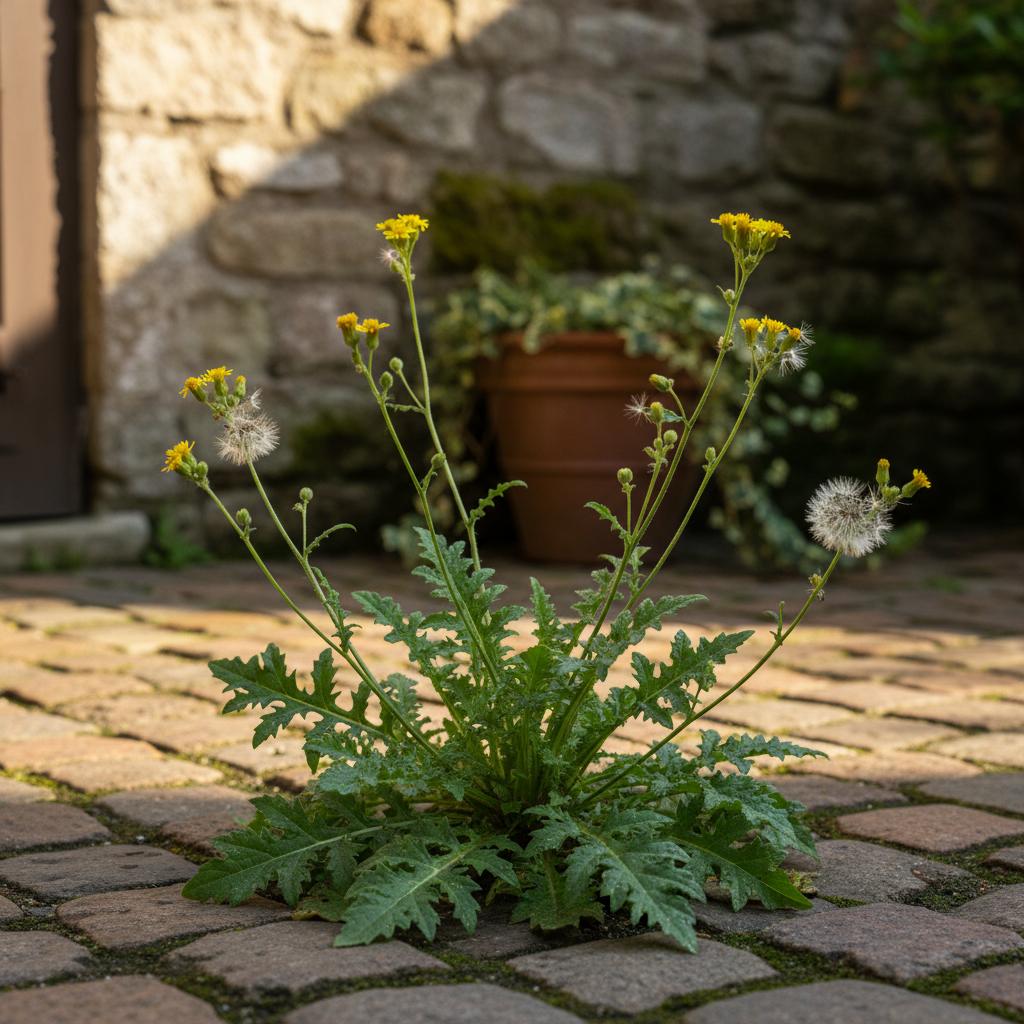
Catsear is confirmed to be toxic to horses, while its toxicity to cats, dogs and humans is currently unconfirmed
Ingestion of catsear by horses can cause stringhalt, marked by exaggerated back leg flexion and hopping gait
The specific toxic compounds in catsear that cause adverse health effects have not yet been identified
FAQ
Is Catsear toxic to Humans?
No documented cases of adverse effects in humans have been reported (Non-toxic)
Is Catsear toxic to Cats?
No confirmed toxicity or associated symptom data available (Unknown)
Is Catsear toxic to Dogs?
No confirmed toxicity or associated symptom data available (Unknown)
Is Catsear toxic to Horses?
Stringhalt, including exaggerated flexion of the back legs and abnormal hopping gait (Low)
Toxicity Details
No documented cases of adverse effects in humans have been reported
No confirmed toxicity or associated symptom data available
No confirmed toxicity or associated symptom data available
Stringhalt, including exaggerated flexion of the back legs and abnormal hopping gait
Toxicity Snapshot
First Aid & Prevention
First 30 Minutes
- • If horse ingestion is suspected, immediately remove the animal from access to remaining catsear plants
- • Collect samples of any suspected ingested plant for formal identification by a professional
- • Monitor the horse closely for early signs of abnormal gait or hind leg movement issues
Contact Vet Immediately
- • The horse displays any signs of abnormal gait, including exaggerated back leg flexion or hopping movement
- • The horse is confirmed to have consumed large quantities of catsear, even if no symptoms are visible
- • Observed symptoms persist or worsen over the first few hours after suspected ingestion
Prevention
- • Inspect horse pastures regularly and remove all identified catsear plants to eliminate exposure risk
- • Do not feed horses hay or forage that is confirmed to be contaminated with catsear
- • Train horse care and pasture management staff to correctly identify catsear to reduce accidental exposure
Treatment & Prognosis
- • Immediately eliminate all access to catsear for affected animals upon confirmation of ingestion
- • Administer veterinarian-prescribed supportive care to manage stringhalt symptoms and aid recovery
- • Monitor long-term gait function, as mild stringhalt often resolves spontaneously after exposure ends
Professional Toxicology
• The exact mechanism of toxicity leading to stringhalt in horses is uncharacterized, as the responsible active compounds remain unidentified
Information from CliniTox veterinary text.
The following plants look similar and may be confused:
Related Toxic Plants


Download PlantFun App
Identify, grow and care for plants effectively!
Instant Plant ID
Take a photo to quickly identify plants.
Smart Care Reminders
Generate watering and care schedules.
Toxicity & Disease Diagnosis
Identify toxic plants and pests with treatment advice.

Data Sources
This information is for reference only and does not constitute medical advice. If ingestion or poisoning is suspected, seek medical or veterinary attention immediately.