 PlantFun
Pitaya Toxic?
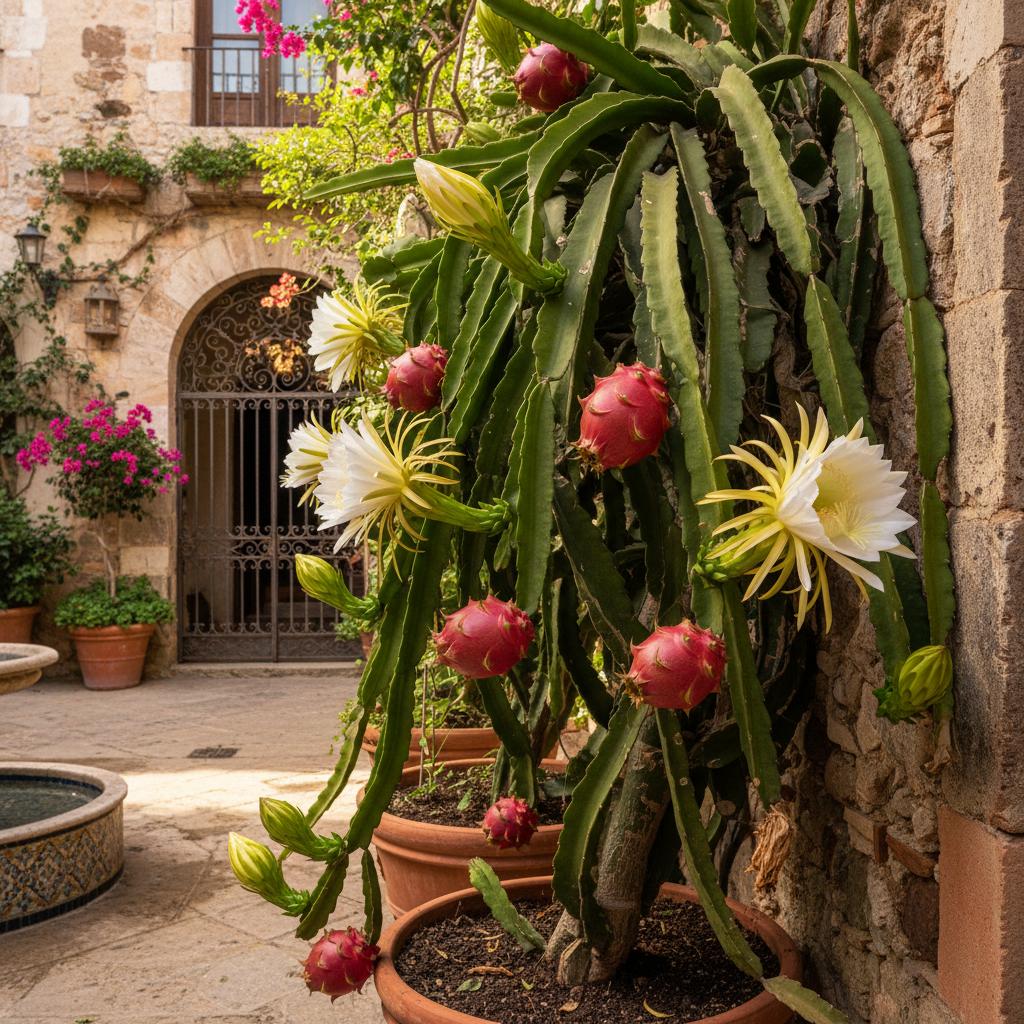
Pitaya contains no known toxic principles, and is classified as non-toxic to cats and dogs by the ASPCA.
No adverse toxic effects are expected if household pets consume small to moderate amounts of this plant.
Toxicity to horses is unstudied, so limited access is recommended for equine environments until more data is available.
FAQ
Is Pitaya toxic to Humans?
No toxic symptoms from standard ingestion; excessive intake may cause mild, temporary digestive upset in sensitive people; spines may cause minor mechanical irritation. (Non-toxic)
Is Pitaya toxic to Cats?
No known toxic symptoms linked to ingestion; rare mild loose stools may occur with very large consumption. (Non-toxic)
Is Pitaya toxic to Dogs?
No known toxic symptoms linked to ingestion; rare mild loose stools may occur with very large consumption. (Non-toxic)
Is Pitaya toxic to Horses?
No documented symptoms reported to date; toxicity risk is unconfirmed. (Unknown)
Toxicity Details
No toxic symptoms from standard ingestion; excessive intake may cause mild, temporary digestive upset in sensitive people; spines may cause minor mechanical irritation.
No known toxic symptoms linked to ingestion; rare mild loose stools may occur with very large consumption.
No known toxic symptoms linked to ingestion; rare mild loose stools may occur with very large consumption.
No documented symptoms reported to date; toxicity risk is unconfirmed.
Toxicity Snapshot
First Aid & Prevention
First 30 Minutes
- • Remove any remaining plant material or loose spines from the exposed individual or animal's mouth, skin, and fur.
- • Rinse any areas irritated by spines with cool, clean water to reduce discomfort.
- • Monitor for signs of mild digestive upset (loose stools, minor abdominal discomfort) for 24 hours post-exposure.
Contact Vet Immediately
- • If your pet shows persistent gastrointestinal distress (vomiting, diarrhea) lasting longer than 24 hours after ingestion.
- • If cactus spines become embedded in sensitive areas (eyes, mouth, throat) of any animal.
- • If your horse consumes large quantities of the plant, as its toxicity for equines is unconfirmed.
Prevention
- • Keep potted pitaya plants out of reach of young horses to avoid untested exposure.
- • Clean up fallen fruit or plant segments regularly to prevent overconsumption by curious pets.
- • Wear protective gloves when handling the plant to avoid irritation from sharp spines.
Treatment & Prognosis
- • Provide supportive care for mild digestive upset, including access to fresh water and small, bland meals if needed.
- • Carefully remove embedded surface spines with clean tweezers; seek professional care for spines in deep or sensitive tissue.
- • No specific antidote is required, as no toxic compounds are present in the plant.
Professional Toxicology
• No identified toxic mechanism for cats or dogs; no harmful bioactive compounds detected in standard toxicity screenings
Information from CliniTox veterinary text.
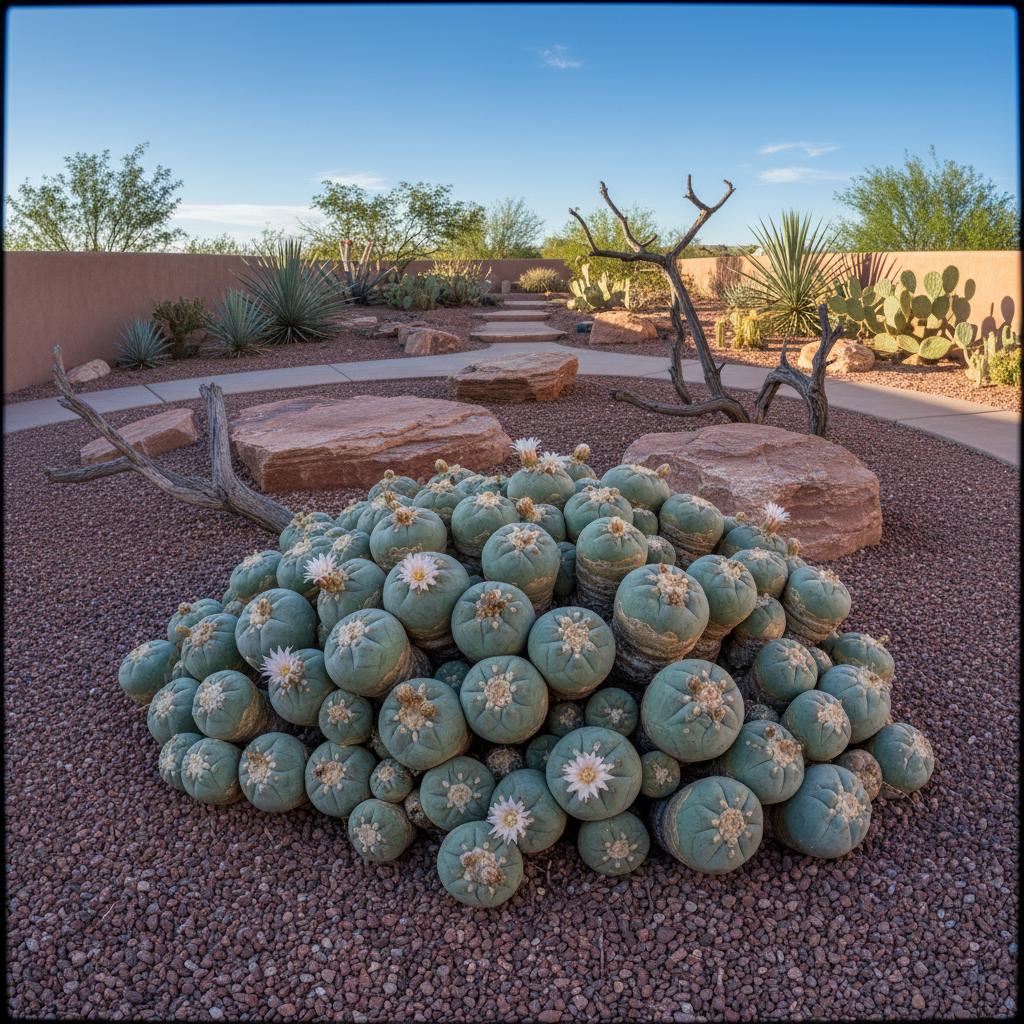
The following plants look similar and may be confused:
Related Toxic Plants

Download PlantFun App
Identify, grow and care for plants effectively!
Instant Plant ID
Take a photo to quickly identify plants.
Smart Care Reminders
Generate watering and care schedules.
Toxicity & Disease Diagnosis
Identify toxic plants and pests with treatment advice.

Data Sources
This information is for reference only and does not constitute medical advice. If ingestion or poisoning is suspected, seek medical or veterinary attention immediately.