 PlantFun
Wax Plant Toxic?

ASPCA classifies this plant as non-toxic to cats and dogs, with only mild gastrointestinal symptoms reported in these species to date.
All parts of the plant are toxic to pet birds, cattle and sheep, with fatalities reported in ruminants linked to related Hoya varieties.
The plant contains pregnane glycosides that bind to cardiac glycoside receptors, producing effects similar to cardiac glycoside toxins.
FAQ
Is Wax Plant toxic to Humans?
No confirmed human toxicity cases reported in available data; may cause mild gastrointestinal upset if ingested in large quantities as a precaution. (Non-toxic)
Is Wax Plant toxic to Cats?
Only mild, self-limiting gastrointestinal symptoms (vomiting, diarrhea) observed to date, no severe toxicity reported. (Non-toxic)
Is Wax Plant toxic to Dogs?
Only mild, self-limiting gastrointestinal symptoms (vomiting, diarrhea) observed to date, no severe toxicity reported. (Non-toxic)
Is Wax Plant toxic to Horses?
Toxicity status unknown; no confirmed symptoms reported in available research. (Non-toxic)
Toxicity Details
No confirmed human toxicity cases reported in available data; may cause mild gastrointestinal upset if ingested in large quantities as a precaution.
Only mild, self-limiting gastrointestinal symptoms (vomiting, diarrhea) observed to date, no severe toxicity reported.
Only mild, self-limiting gastrointestinal symptoms (vomiting, diarrhea) observed to date, no severe toxicity reported.
Toxicity status unknown; no confirmed symptoms reported in available research.
Toxicity Snapshot
First Aid & Prevention
First 30 Minutes
- • If ingested by a pet bird, cattle or sheep, contact a veterinarian immediately.
- • If ingested by a cat or dog, rinse the mouth thoroughly with clean water.
- • Monitor for vomiting, diarrhea or unusual behavior for 2-4 hours post-ingestion.
Contact Vet Immediately
- • Ingestion is confirmed in pet birds, ruminants (cattle, sheep) or horses.
- • Cat or dog develops persistent vomiting, diarrhea, lethargy or unusual neurological symptoms after ingestion.
- • Any signs of distress, uncoordinated movement, tremors or seizures in any animal after exposure.
Prevention
- • Keep this plant out of reach of pet birds, as it is highly toxic to this species.
- • Do not plant this species in pastures accessible to cattle or sheep to avoid fatal poisoning.
- • Supervise young pets and children around the plant to prevent accidental ingestion.
Treatment & Prognosis
- • Perform gastrointestinal decontamination (induced vomiting, activated charcoal) for recent ingestion in high-risk species.
- • Provide symptomatic and supportive care tailored to observed symptoms (anti-emetics for GI upset, anti-seizure medication for neurological signs).
- • Monitor cardiac and neurological function closely in exposed high-risk species for 24-72 hours post-exposure.
Professional Toxicology
• Pregnane and pregnane glycosides have high affinity for cardiac glycoside receptors on cardiac muscle, leading to effects similar to cardiac glycosides.
• An unknown neurotoxin found in related Hoya australis is associated with neurological toxicity and fatalities in ruminants.
• Steroid saponins contribute to observed mild gastrointestinal irritation in cats and dogs.
Information from CliniTox veterinary text.
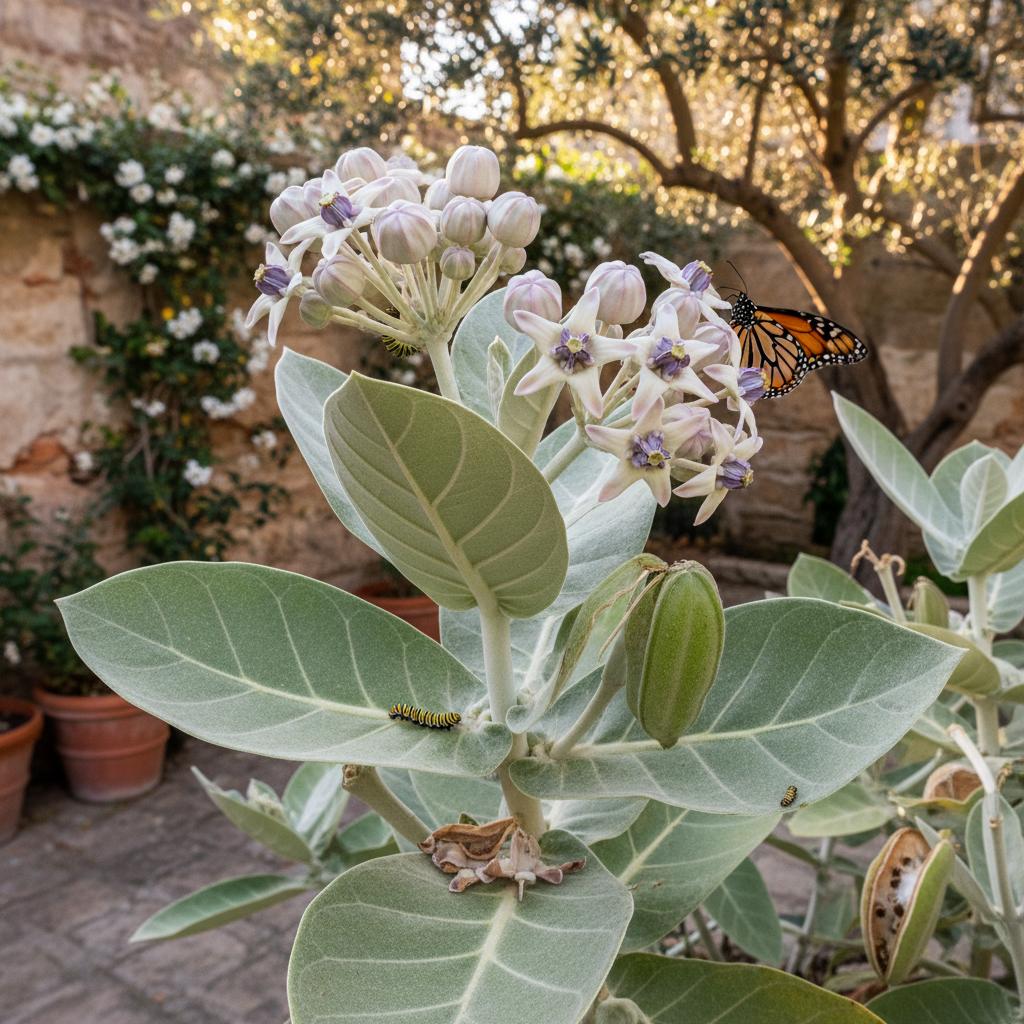
The following plants look similar and may be confused:
Related Toxic Plants

Download PlantFun App
Identify, grow and care for plants effectively!
Instant Plant ID
Take a photo to quickly identify plants.
Smart Care Reminders
Generate watering and care schedules.
Toxicity & Disease Diagnosis
Identify toxic plants and pests with treatment advice.

Data Sources
This information is for reference only and does not constitute medical advice. If ingestion or poisoning is suspected, seek medical or veterinary attention immediately.