 PlantFun
Plantain Lily Toxic?

Plantain Lily (Hosta plantaginea) is confirmed toxic to cats, dogs, and horses per official ASPCA data
Saponins are the primary toxic compounds present in all parts of this plant
Common symptoms of ingestion include vomiting, diarrhea, and temporary depression
FAQ
Is Plantain Lily toxic to Humans?
No confirmed severe toxicity data available; ingestion of large quantities may cause mild, self-limiting gastrointestinal upset (Low)
Is Plantain Lily toxic to Cats?
Vomiting, diarrhea, depression (Low)
Is Plantain Lily toxic to Dogs?
Vomiting, diarrhea, depression (Low)
Is Plantain Lily toxic to Horses?
Vomiting, diarrhea, depression (Low)
Toxicity Details
No confirmed severe toxicity data available; ingestion of large quantities may cause mild, self-limiting gastrointestinal upset
Vomiting, diarrhea, depression
Vomiting, diarrhea, depression
Vomiting, diarrhea, depression
Toxicity Snapshot
First Aid & Prevention
First 30 Minutes
- • Remove any remaining plant material from the exposed animal's mouth and rinse the oral cavity with cool, clean water
- • Do not induce vomiting unless explicitly instructed to do so by a licensed veterinarian or animal poison control specialist
- • Collect a sample of the ingested plant to provide to veterinary staff for quick, accurate identification
Contact Vet Immediately
- • If your cat, dog, or horse has ingested any amount of Plantain Lily, even if no symptoms are yet visible
- • If the animal displays symptoms including vomiting, diarrhea, lethargy, or loss of appetite after potential exposure
- • If you are unsure if the ingested plant is Plantain Lily or another more toxic species in the Liliaceae family
Prevention
- • Keep all Plantain Lily plants and trimmings out of reach of cats, dogs, and horses, both indoors and in accessible garden areas
- • Educate household members and pet caregivers to identify Plantain Lily to avoid accidental exposure to animals
- • Choose pet-safe ornamental alternatives if you have animals that are prone to chewing on houseplants or garden foliage
Treatment & Prognosis
- • Veterinarians may administer activated charcoal to bind unabsorbed saponins in the gastrointestinal tract and reduce further toxin uptake
- • Supportive care including IV fluid therapy and anti-emetic medications may be provided to manage dehydration, vomiting, and diarrhea symptoms
- • Animals are typically monitored for 24 to 48 hours post-ingestion to ensure no secondary complications develop
Professional Toxicology
• Saponin compounds irritate the mucosal lining of the gastrointestinal tract upon ingestion, causing vomiting and diarrhea; mild systemic absorption can also lead to temporary central nervous system depression
Information from CliniTox veterinary text.
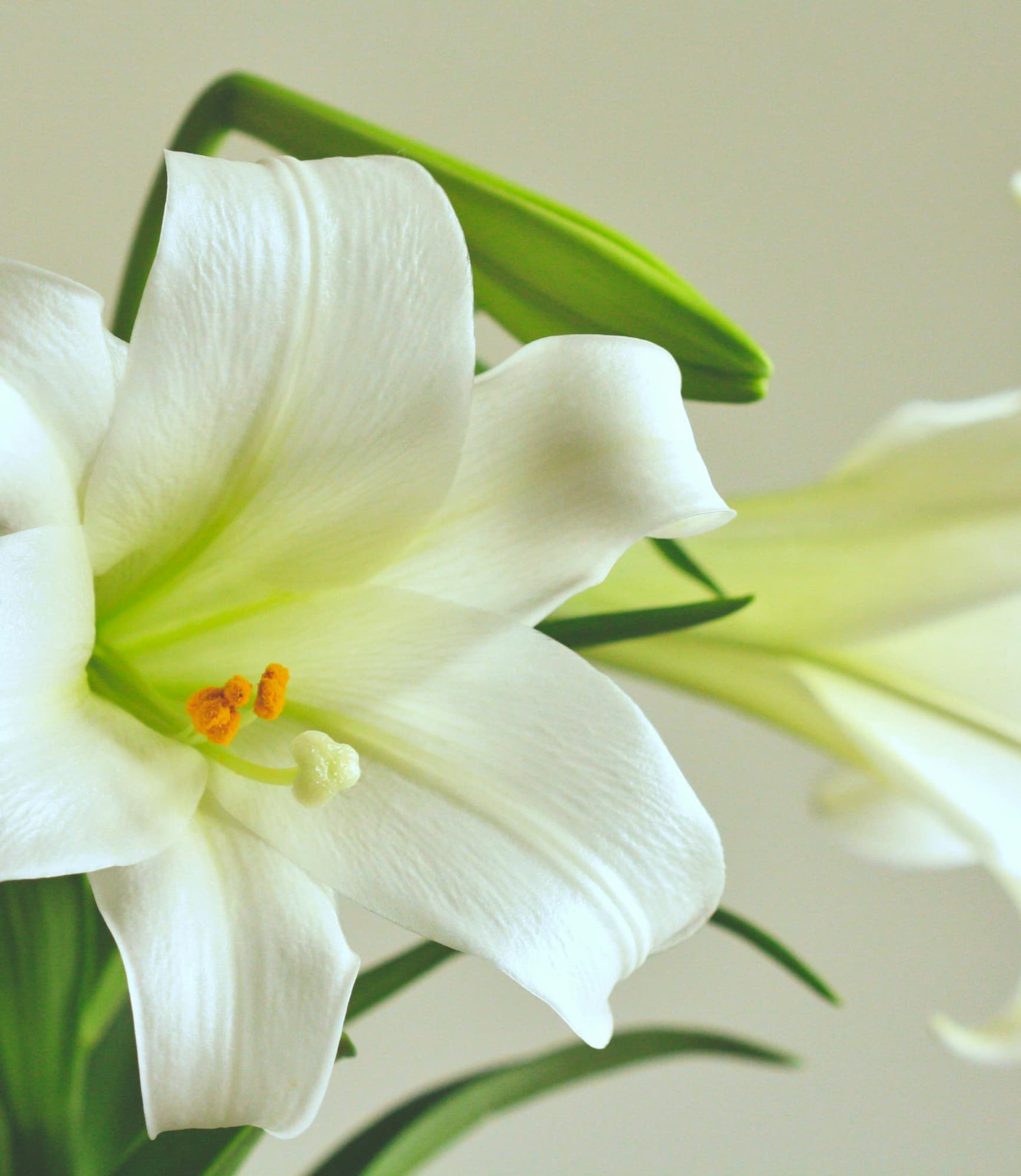
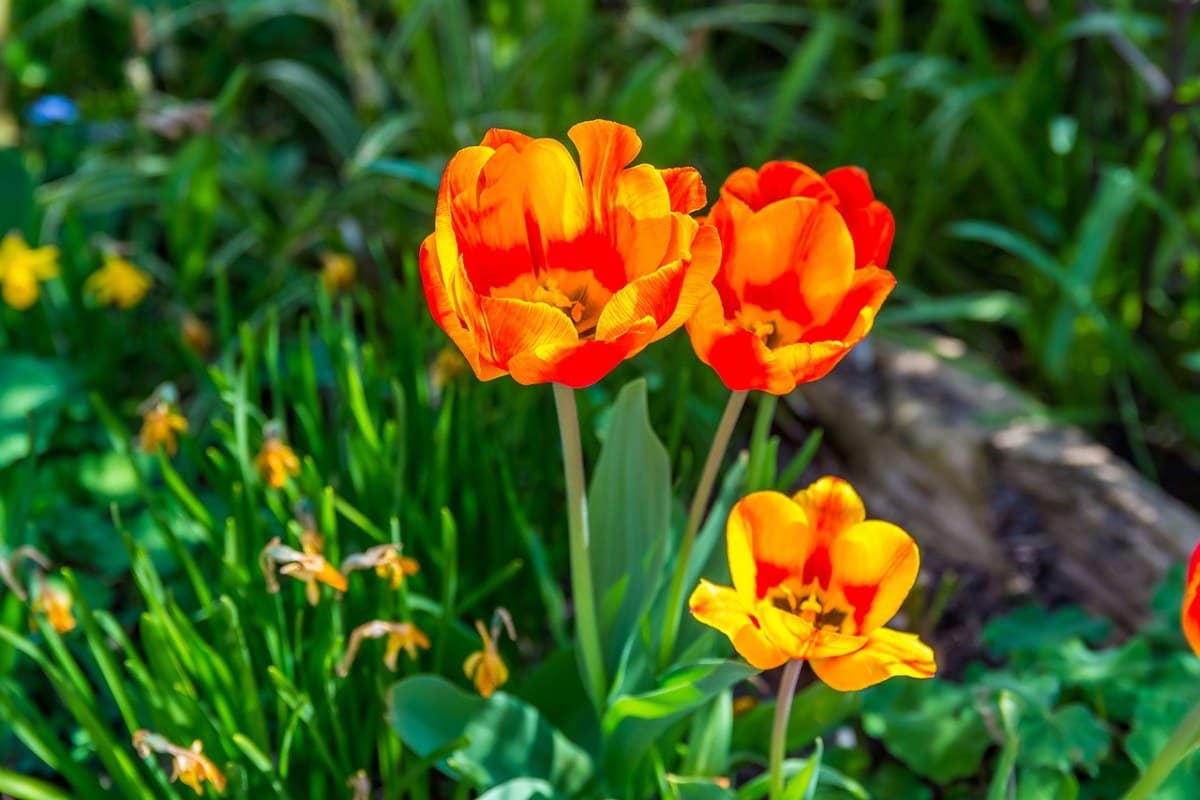
The following plants look similar and may be confused:
Related Toxic Plants

Download PlantFun App
Identify, grow and care for plants effectively!
Instant Plant ID
Take a photo to quickly identify plants.
Smart Care Reminders
Generate watering and care schedules.
Toxicity & Disease Diagnosis
Identify toxic plants and pests with treatment advice.

Data Sources
This information is for reference only and does not constitute medical advice. If ingestion or poisoning is suspected, seek medical or veterinary attention immediately.