 PlantFun
Pearly Dots Toxic?
This species is classified as non-toxic to cats and dogs by the ASPCA, with no documented toxic principles.
No adverse effects are expected from accidental small ingestion of this plant by cats or dogs.
Toxicity risk for horses remains unconfirmed, as no formal equine exposure studies have been published.
FAQ
Is Pearly Dots toxic to Humans?
No confirmed toxic effects reported; mild, temporary gastrointestinal upset may occur in sensitive individuals after large ingestion. (Non-toxic)
Is Pearly Dots toxic to Cats?
No expected adverse symptoms from accidental ingestion, per ASPCA non-toxic classification. (Non-toxic)
Is Pearly Dots toxic to Dogs?
No expected adverse symptoms from accidental ingestion, per ASPCA non-toxic classification. (Non-toxic)
Is Pearly Dots toxic to Horses?
No confirmed symptomatic effects documented; risk is currently unknown. (Unknown)
Toxicity Details
No confirmed toxic effects reported; mild, temporary gastrointestinal upset may occur in sensitive individuals after large ingestion.
No expected adverse symptoms from accidental ingestion, per ASPCA non-toxic classification.
No expected adverse symptoms from accidental ingestion, per ASPCA non-toxic classification.
No confirmed symptomatic effects documented; risk is currently unknown.
Toxicity Snapshot
First Aid & Prevention
First 30 Minutes
- • If a cat or dog ingests small amounts of the plant, rinse their mouth with clean water to remove residual plant matter.
- • Monitor the exposed pet for 1 to 2 hours for unusual signs, though adverse effects are highly unlikely.
- • Save any remaining plant material for formal identification if unusual symptoms develop post-exposure.
Contact Vet Immediately
- • Your pet displays persistent vomiting, diarrhea, or lethargy after ingestion, despite the plant's non-toxic status.
- • Your horse has ingested large quantities of the plant, as equine toxicity has not been evaluated.
- • Your pet has a documented history of severe succulent allergies or extreme plant sensitivity.
Prevention
- • Keep this plant out of reach of horses, as their ingestion risk has not been formally confirmed.
- • Label all household plants clearly to avoid accidental ingestion by curious pets or young children.
- • Opt for confirmed non-toxic species like this plant if you own high-risk, plant-chewing companion animals.
Treatment & Prognosis
- • No specific treatment is required for small ingestions by cats or dogs, as no toxic effects are expected.
- • Supportive care including oral fluids and anti-emetics may be administered for rare mild gastrointestinal discomfort if it occurs.
- • For equine exposure, contact a veterinarian immediately for tailored guidance based on ingestion volume.
Professional Toxicology
• No toxic mechanism identified, as the plant contains no known harmful compounds for cats or dogs
Information from CliniTox veterinary text.
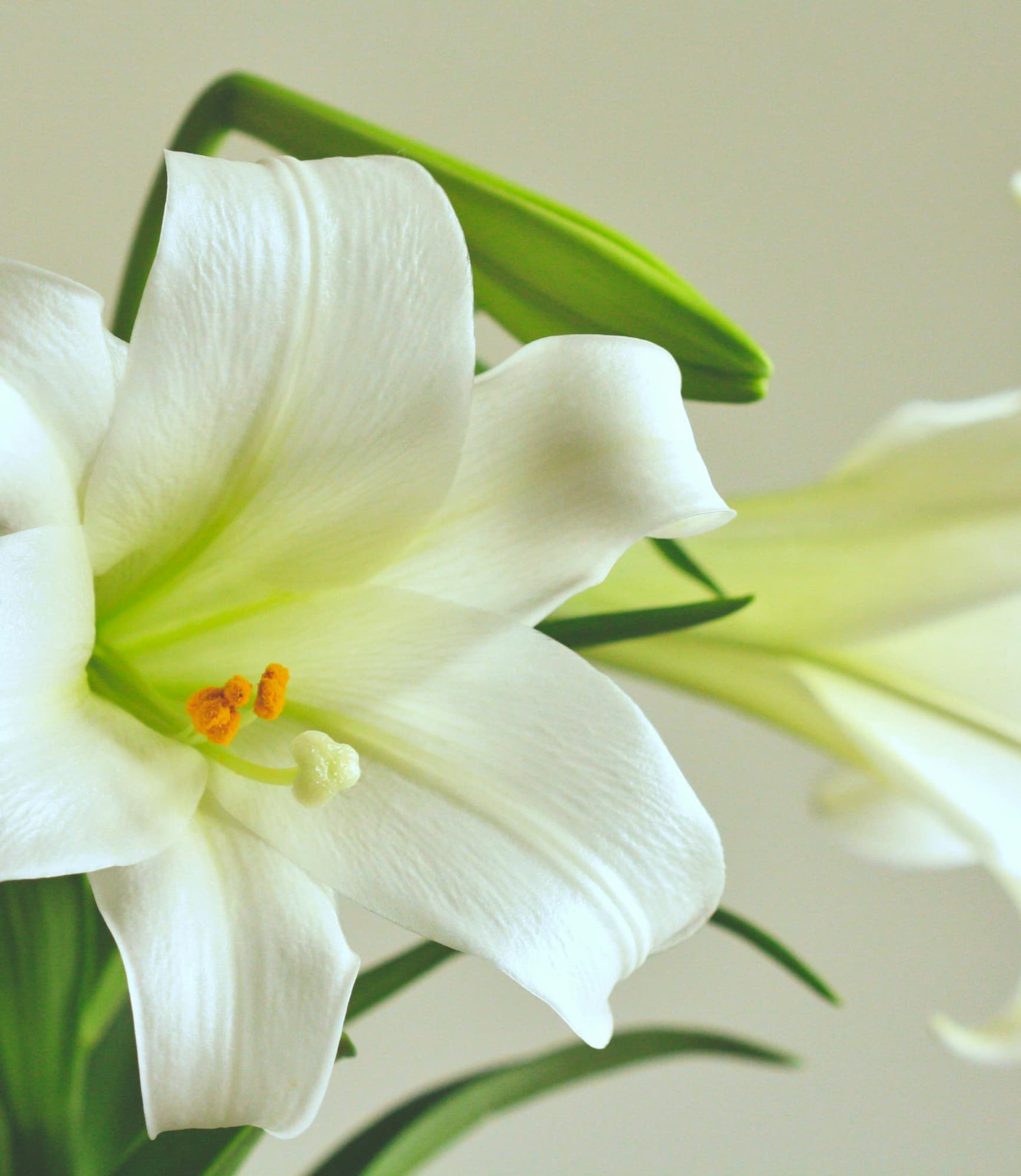
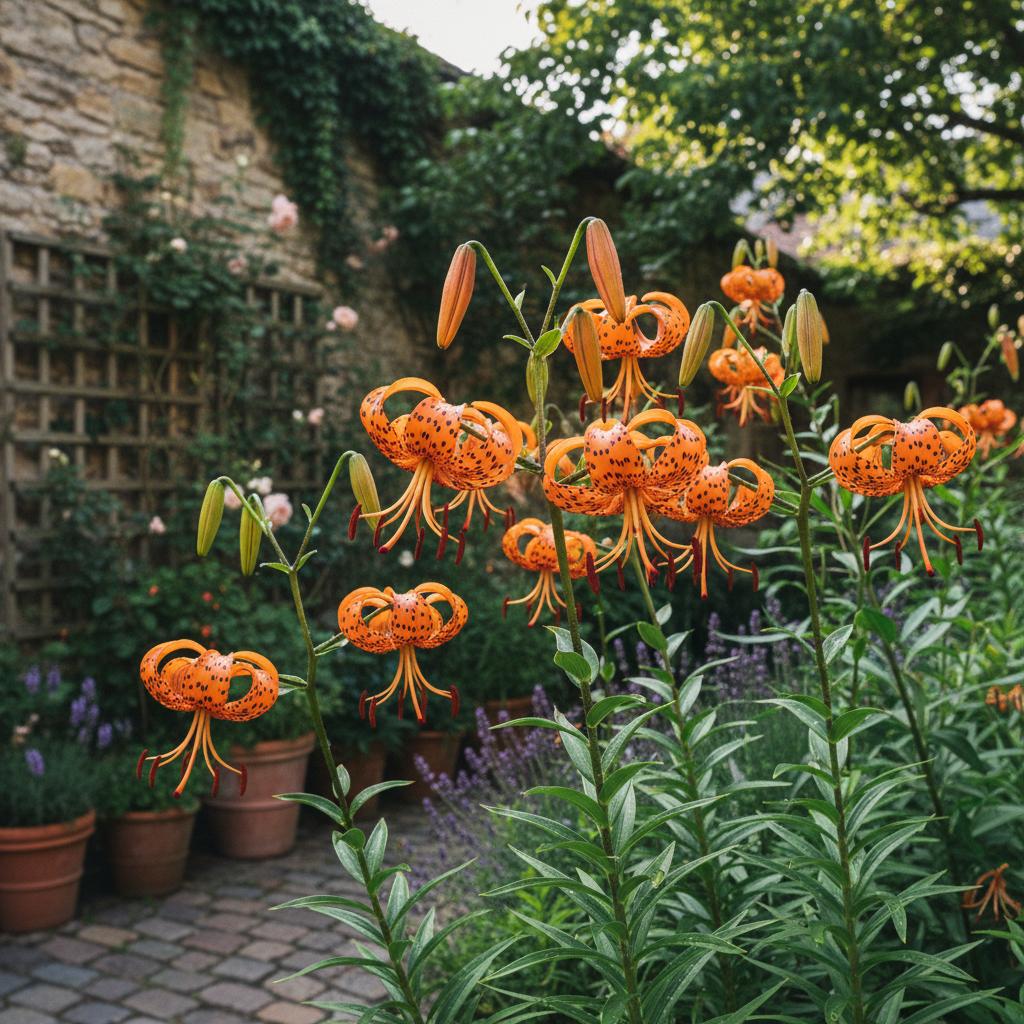
The following plants look similar and may be confused:
Related Toxic Plants

Download PlantFun App
Identify, grow and care for plants effectively!
Instant Plant ID
Take a photo to quickly identify plants.
Smart Care Reminders
Generate watering and care schedules.
Toxicity & Disease Diagnosis
Identify toxic plants and pests with treatment advice.

Data Sources
This information is for reference only and does not constitute medical advice. If ingestion or poisoning is suspected, seek medical or veterinary attention immediately.