 PlantFun
Rayless Goldenrod Toxic?
Contains trematol as its primary toxic principle, and is toxic to horses year-round, with poisonings most common in summer and late fall.
Ingestion of 1-10% of a horse's body weight in plant material can lead to lethal toxic effects, with symptom onset between 2 days and 3 weeks post-exposure.
Toxicity to domestic cats and dogs has not been formally confirmed in existing clinical records.
FAQ
Is Rayless Goldenrod toxic to Humans?
No confirmed human toxicity or associated symptom data is available in current records. (Unknown)
Is Rayless Goldenrod toxic to Cats?
Toxicity to cats is unconfirmed, no associated clinical signs have been documented. (Unknown)
Is Rayless Goldenrod toxic to Dogs?
Toxicity to dogs is unconfirmed, no associated clinical signs have been documented. (Unknown)
Is Rayless Goldenrod toxic to Horses?
Incoordination, muscle weakness and tremors, elevated heart rate, cardiac arrhythmias, nervous system fluid accumulation and swelling, profuse sweating, inability to swallow (Severe)
Toxicity Details
No confirmed human toxicity or associated symptom data is available in current records.
Toxicity to cats is unconfirmed, no associated clinical signs have been documented.
Toxicity to dogs is unconfirmed, no associated clinical signs have been documented.
Incoordination, muscle weakness and tremors, elevated heart rate, cardiac arrhythmias, nervous system fluid accumulation and swelling, profuse sweating, inability to swallow
Toxicity Snapshot
First Aid & Prevention
First 30 Minutes
- • If horse ingestion is suspected, immediately remove all access to remaining Rayless Goldenrod plant material from the animal's environment.
- • Estimate the total quantity of plant ingested if possible, to share with equine veterinary staff as soon as possible.
- • Do not induce vomiting or administer home remedies unless explicitly directed to do so by a licensed veterinarian.
Contact Vet Immediately
- • Horse is confirmed or suspected to have ingested any quantity of Rayless Goldenrod.
- • Any listed clinical signs (incoordination, tremors, elevated heart rate, etc.) appear after potential exposure to the plant.
- • Rayless Goldenrod is found growing in grazing areas or hay sources used for horses.
Prevention
- • Regularly survey horse grazing pastures for Rayless Goldenrod growth, and fully remove any identified plants including root systems.
- • Avoid feeding hay that contains any cut Rayless Goldenrod material, as the trematol toxin remains active in dried plant matter.
- • Fence off areas with dense Rayless Goldenrod growth to prevent horse access if full plant removal is not immediately feasible.
Treatment & Prognosis
- • Veterinary supportive care including IV fluid therapy to support cardiac and nervous system function.
- • Administration of anti-arrhythmic medications if cardiac abnormalities are detected during diagnostic workup.
- • Nutritional support (via feeding tube if required) for horses unable to swallow due to toxic effects.
Professional Toxicology
• Trematol accumulates in the body over repeated exposure, causing damage to cardiac muscle and nervous tissue leading to associated clinical signs.
• The toxin remains active even in dried plant material, so ingestion of contaminated hay also poses significant poisoning risk.
Information from CliniTox veterinary text.
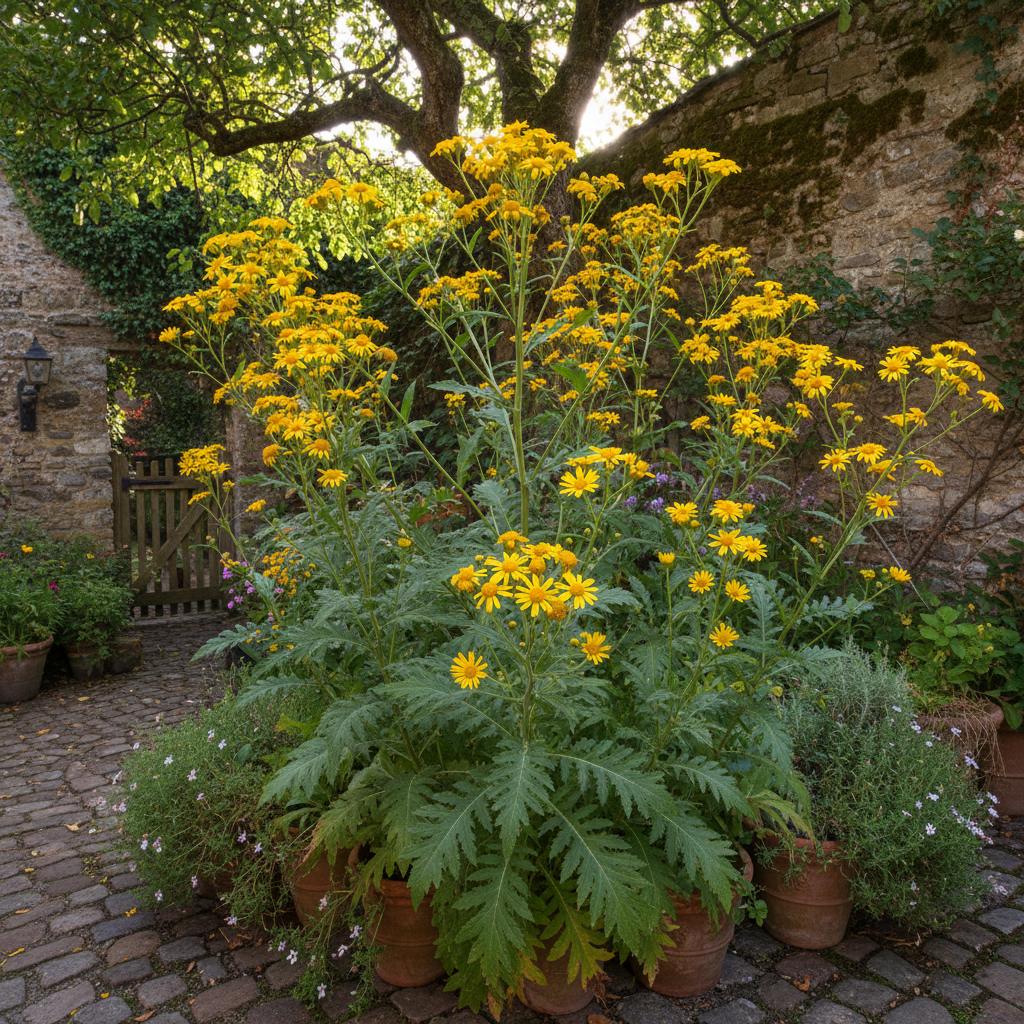
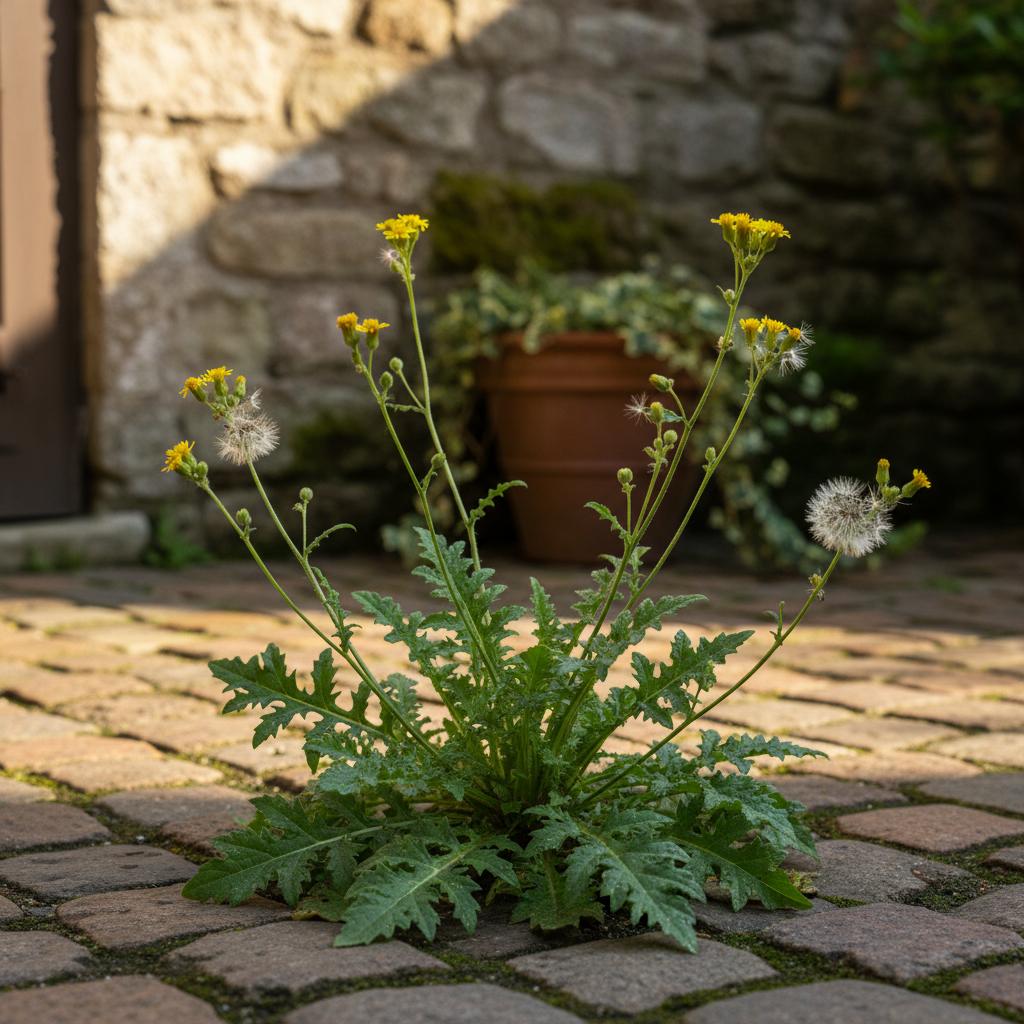
The following plants look similar and may be confused:
Related Toxic Plants

Download PlantFun App
Identify, grow and care for plants effectively!
Instant Plant ID
Take a photo to quickly identify plants.
Smart Care Reminders
Generate watering and care schedules.
Toxicity & Disease Diagnosis
Identify toxic plants and pests with treatment advice.

Data Sources
This information is for reference only and does not constitute medical advice. If ingestion or poisoning is suspected, seek medical or veterinary attention immediately.