 PlantFun
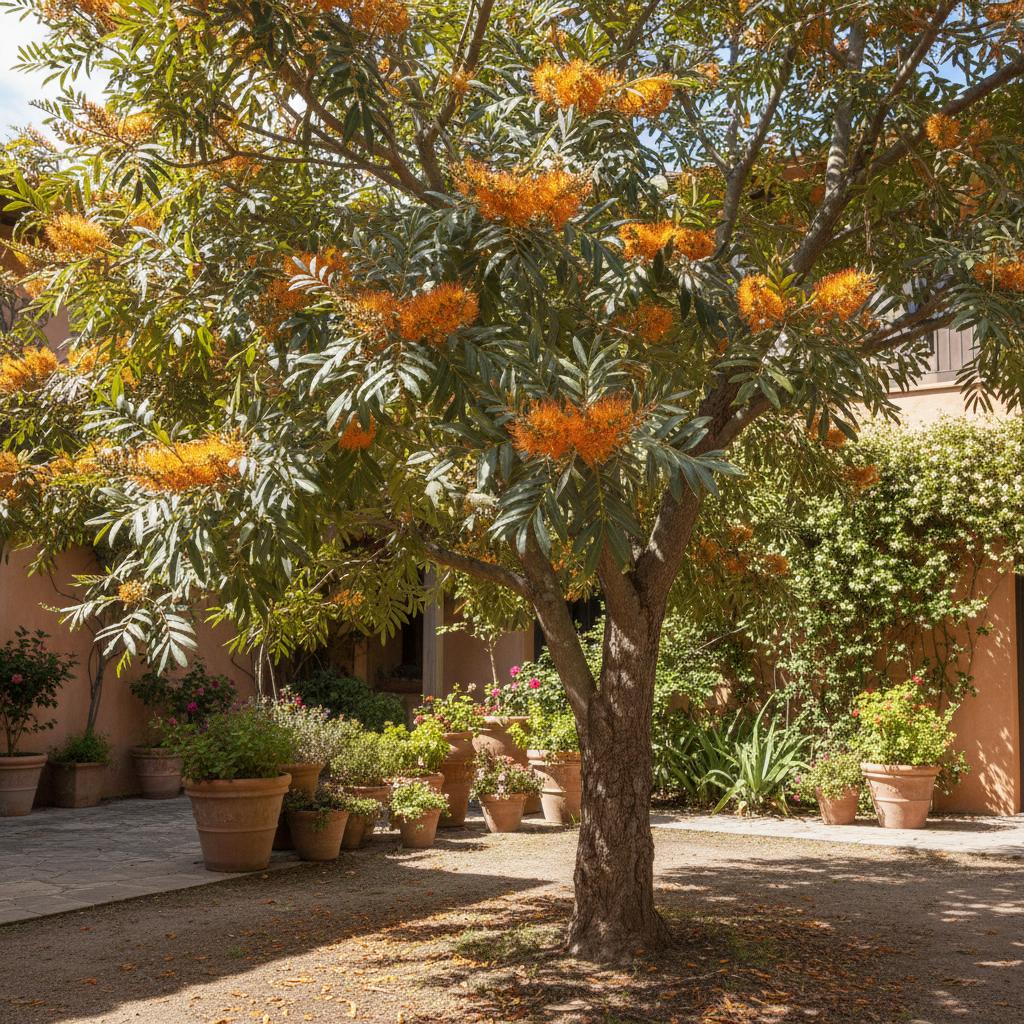
Banks's Grevillea Toxic?

No verified animal intoxication cases for Grevillea banksii have been published to date
The entire plant is unsuitable for use as feed for any companion or production animal
Direct skin contact in sensitive humans may cause allergic contact dermatitis
FAQ
Is Banks's Grevillea toxic to Humans?
Localized allergic contact dermatitis: rash, itching, redness, and swelling at the site of skin exposure (Low)
Is Banks's Grevillea toxic to Cats?
No published cases of toxicity or associated symptoms are documented (Non-toxic)
Is Banks's Grevillea toxic to Dogs?
No published cases of toxicity or associated symptoms are documented (Non-toxic)
Is Banks's Grevillea toxic to Horses?
No published cases of toxicity or associated symptoms are documented (Non-toxic)
Toxicity Details
Localized allergic contact dermatitis: rash, itching, redness, and swelling at the site of skin exposure
No published cases of toxicity or associated symptoms are documented
No published cases of toxicity or associated symptoms are documented
No published cases of toxicity or associated symptoms are documented
Toxicity Snapshot
First Aid & Prevention
First 30 Minutes
- • For human skin contact: Rinse the affected area with cool running water for 10-15 minutes to remove all plant residues
- • If ingested by pets/livestock: Rinse the mouth with clean water to remove remaining plant material
- • Monitor all exposed individuals and animals for unusual symptoms for 24 hours post-exposure
Contact Vet Immediately
- • Your pet or horse develops unusual symptoms (lethargy, skin irritation, digestive upset) after exposure
- • A large quantity of the plant was ingested by a small pet, young puppy/kitten, or foal
- • Any exposed individual (human or animal) shows signs of severe allergic reaction (airway swelling, difficulty breathing)
Prevention
- • Do not plant Grevillea banksii in areas accessible to grazing livestock, pets, or people prone to skin allergies
- • Wear long, waterproof gloves and long sleeves when handling this plant to avoid direct skin contact
- • Never harvest this plant for use as feed for any animal species
Treatment & Prognosis
- • For human allergic contact dermatitis: Use topical antihistamines or corticosteroids as directed by a healthcare provider
- • For animal ingestion: Provide supportive care (fluid therapy, anti-emetics for digestive upset) as prescribed by a veterinarian
- • Severe allergic reactions require immediate emergency medical or veterinary intervention, including epinephrine if indicated
Professional Toxicology
• Allergic reactions in humans are triggered by contact with unidentified allergenic compounds present in plant foliage and sap
• No toxic mechanism for animal species has been identified in published research
Information from CliniTox veterinary text.
The following plants look similar and may be confused:
Related Toxic Plants

Download PlantFun App
Identify, grow and care for plants effectively!
Instant Plant ID
Take a photo to quickly identify plants.
Smart Care Reminders
Generate watering and care schedules.
Toxicity & Disease Diagnosis
Identify toxic plants and pests with treatment advice.

Data Sources
This information is for reference only and does not constitute medical advice. If ingestion or poisoning is suspected, seek medical or veterinary attention immediately.