 PlantFun
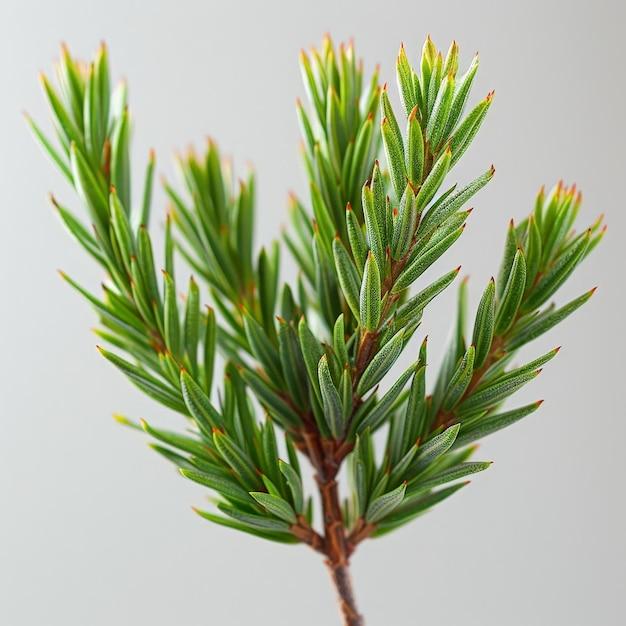
Eucalyptus Toxic?
Eucalyptus is confirmed toxic to cats, dogs, and horses, with risk of adverse effects from both ingestion and essential oil exposure.
The core toxic compound present in all eucalyptus plant parts is the essential oil component eucalyptol.
Common clinical signs of eucalyptus poisoning in sensitive animals include gastrointestinal distress, depression, and generalized weakness.
FAQ
Is Eucalyptus toxic to Humans?
Mild mouth and gastrointestinal irritation, dizziness, or skin rashes if large quantities of plant material or concentrated essential oil are consumed/contacted. (Low)
Is Eucalyptus toxic to Cats?
Salivation, vomiting, diarrhea, depression, generalized weakness, potential respiratory distress if exposed to oil fumes. (Moderate)
Is Eucalyptus toxic to Dogs?
Salivation, vomiting, diarrhea, depression, generalized weakness, reduced appetite after ingestion. (Moderate)
Is Eucalyptus toxic to Horses?
Salivation, vomiting, diarrhea, depression, generalized weakness, reduced feed intake after ingestion of large quantities. (Moderate)
Toxicity Details
Mild mouth and gastrointestinal irritation, dizziness, or skin rashes if large quantities of plant material or concentrated essential oil are consumed/contacted.
Salivation, vomiting, diarrhea, depression, generalized weakness, potential respiratory distress if exposed to oil fumes.
Salivation, vomiting, diarrhea, depression, generalized weakness, reduced appetite after ingestion.
Salivation, vomiting, diarrhea, depression, generalized weakness, reduced feed intake after ingestion of large quantities.
Toxicity Snapshot
First Aid & Prevention
First 30 Minutes
- • Immediately remove any remaining eucalyptus plant material, oil, or related products from the exposed animal's reach and mouth if safe to do so.
- • If concentrated eucalyptus oil contacts skin, rinse the affected area thoroughly with mild soap and cool running water for at least 10 minutes.
- • Do not induce vomiting or administer home remedies unless explicitly directed by a licensed veterinarian.
Contact Vet Immediately
- • The animal is a cat, dog, or horse that has ingested any quantity of eucalyptus plant material or concentrated essential oil.
- • Any clinical signs including salivation, vomiting, diarrhea, lethargy, depression, or weakness develop after exposure.
- • Inhalation exposure to concentrated eucalyptus fumes has occurred, especially for cats or small companion animals.
Prevention
- • Keep potted eucalyptus, cut decorative stems, and eucalyptus essential oil products securely out of reach of pets and livestock.
- • Avoid using eucalyptus essential oil diffusers in households with cats, as inhalation can trigger adverse respiratory and systemic effects.
- • Check ingredient labels of pet care, cleaning, and topical products to avoid items containing eucalyptus for use around sensitive animals.
Treatment & Prognosis
- • Veterinarians may administer activated charcoal to bind unabsorbed toxic compounds if ingestion occurred within the past 2 hours.
- • Supportive care including IV fluid hydration, anti-emetic medication to control vomiting, and vital sign monitoring will be provided as needed.
- • For respiratory or skin exposure, symptomatic care including antihistamines for irritation or oxygen support may be administered based on symptom severity.
Professional Toxicology
• Eucalyptol irritates gastrointestinal mucosal membranes upon ingestion, and systemic absorption leads to central nervous system depression in sensitive species
Information from CliniTox veterinary text.
The following plants look similar and may be confused:
Related Toxic Plants

Download PlantFun App
Identify, grow and care for plants effectively!
Instant Plant ID
Take a photo to quickly identify plants.
Smart Care Reminders
Generate watering and care schedules.
Toxicity & Disease Diagnosis
Identify toxic plants and pests with treatment advice.

Data Sources
This information is for reference only and does not constitute medical advice. If ingestion or poisoning is suspected, seek medical or veterinary attention immediately.