 PlantFun
Scouring Rush Toxic?
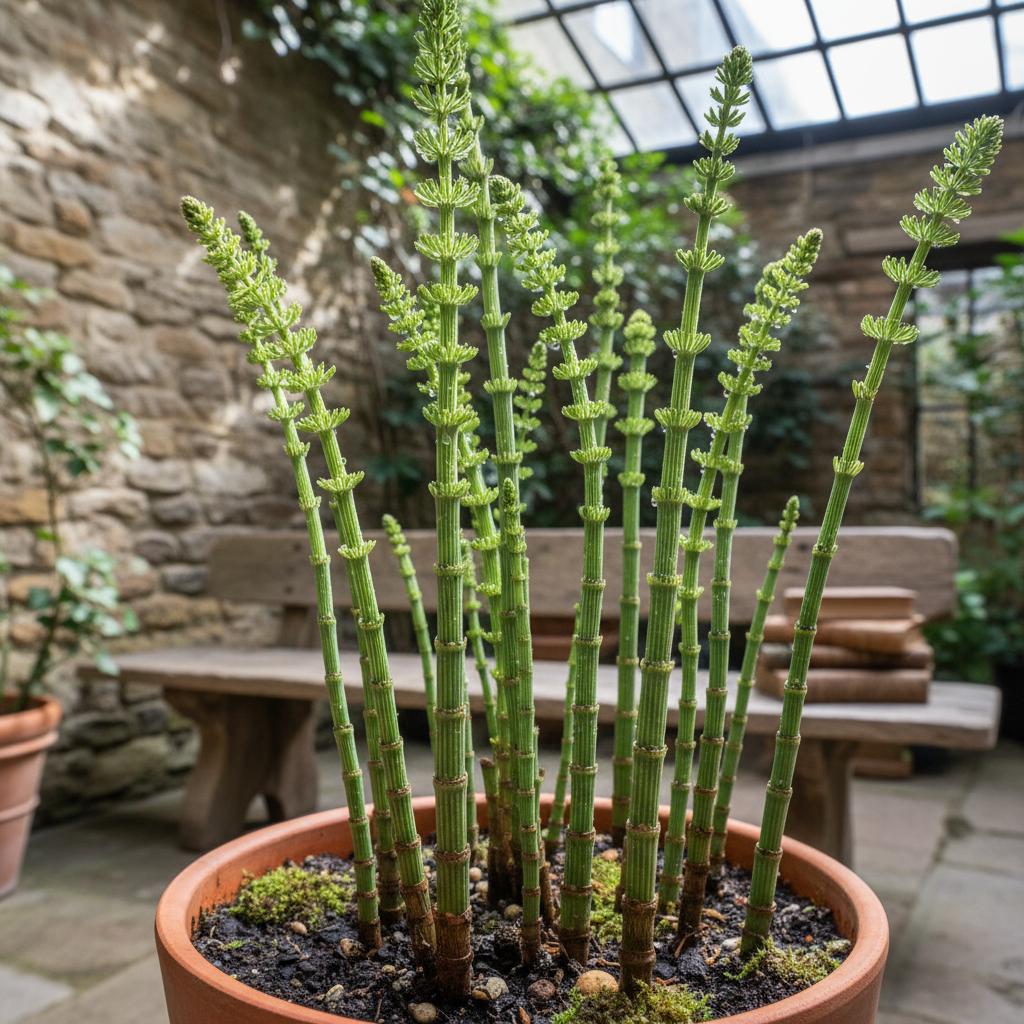
Toxicity to cats and dogs is currently unknown, while the plant is confirmed toxic to horses
Core toxic principle thiaminase breaks down thiamine (vitamin B1), critical for nervous system function
Prolonged ingestion over days to weeks can cause severe neurological damage, convulsions and death in untreated horses
FAQ
Is Scouring Rush toxic to Humans?
No confirmed human toxicity data is available in the referenced datasets (Unknown)
Is Scouring Rush toxic to Cats?
Toxicity and associated clinical symptoms are currently unconfirmed (Unknown)
Is Scouring Rush toxic to Dogs?
Toxicity and associated clinical symptoms are currently unconfirmed (Unknown)
Is Scouring Rush toxic to Horses?
Weight loss, reduced appetite, uncoordinated movement, hind limb paralysis, blindness, muscle twitches, central nervous system disorders, convulsions, and potential fatal outcomes with prolonged exposure (High)
Toxicity Details
No confirmed human toxicity data is available in the referenced datasets
Toxicity and associated clinical symptoms are currently unconfirmed
Toxicity and associated clinical symptoms are currently unconfirmed
Weight loss, reduced appetite, uncoordinated movement, hind limb paralysis, blindness, muscle twitches, central nervous system disorders, convulsions, and potential fatal outcomes with prolonged exposure
Toxicity Snapshot
First Aid & Prevention
First 30 Minutes
- • Immediately remove the exposed animal from access to any Scouring Rush and contaminated feed
- • Collect a sample of the suspected ingested plant for official identification to confirm exposure
- • Do not induce vomiting or administer home remedies unless explicitly directed by a licensed veterinarian
Contact Vet Immediately
- • If a horse is observed ingesting any amount of Scouring Rush material
- • If abnormal symptoms (reduced appetite, uncoordination, neurological signs, weight loss) appear after potential exposure
- • If you suspect feed supplies have been contaminated with this plant and consumed over multiple days
Prevention
- • Inspect grazing pastures regularly to remove all Scouring Rush growth before allowing horses to graze
- • Ensure horses have access to sufficient high-quality forage to reduce risk of consumption of unsuitable toxic vegetation
- • Test hay and feed supplies for Equisetum species contamination if sourced from regions where these plants grow commonly
Treatment & Prognosis
- • Administer decontamination and symptomatic care per standard veterinary emergency protocols
- • Provide vitamin B1 (thiamine) supplementation as directed: 100-200mg orally twice daily on day 1, then once daily for 7-14 days
- • Monitor neurological function, appetite and weight closely through the recovery period, adjusting care per veterinary guidance
Professional Toxicology
• Thiaminase degrades thiamine (vitamin B1), an essential nutrient for central nervous system function and normal metabolism
• Cumulative ingestion over days or weeks leads to severe systemic thiamine deficiency that drives toxic clinical signs
• Total alkaloid content remains stable after the plant is dried, so dried contaminated hay retains full toxic properties
Information from CliniTox veterinary text.
The following plants look similar and may be confused:
Related Toxic Plants
Download PlantFun App
Identify, grow and care for plants effectively!
Instant Plant ID
Take a photo to quickly identify plants.
Smart Care Reminders
Generate watering and care schedules.
Toxicity & Disease Diagnosis
Identify toxic plants and pests with treatment advice.

Data Sources
This information is for reference only and does not constitute medical advice. If ingestion or poisoning is suspected, seek medical or veterinary attention immediately.