 PlantFun
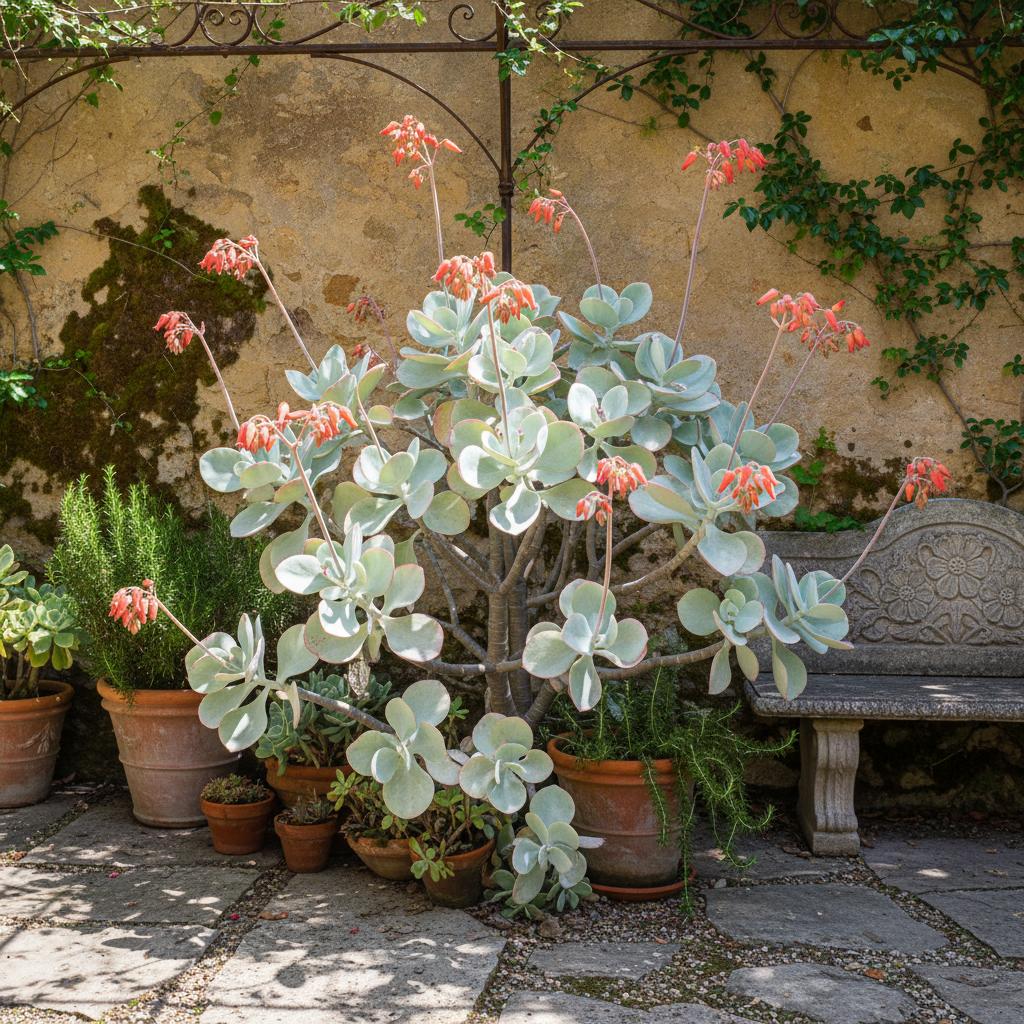
Wax Rosette Toxic?
Wax Rosette is classified as non-toxic to cats, dogs, and horses per official plant toxicology datasets.
No severe adverse reactions are expected from accidental ingestion of small quantities of this succulent.
Overconsumption may still cause mild, self-limiting gastrointestinal upset in sensitive pets or humans.
FAQ
Is Wax Rosette toxic to Humans?
No confirmed toxic symptoms; mild temporary stomach ache or loose stool may occur only if very large quantities are ingested. (Non-toxic)
Is Wax Rosette toxic to Cats?
No confirmed toxic symptoms; rare mild vomiting or soft stool may occur with excessive ingestion in sensitive individuals. (Non-toxic)
Is Wax Rosette toxic to Dogs?
No confirmed toxic symptoms; rare mild vomiting or soft stool may occur with excessive ingestion in sensitive individuals. (Non-toxic)
Is Wax Rosette toxic to Horses?
No confirmed toxic symptoms; rare mild digestive upset may occur if large volumes of the plant are consumed. (Non-toxic)
Toxicity Details
No confirmed toxic symptoms; mild temporary stomach ache or loose stool may occur only if very large quantities are ingested.
No confirmed toxic symptoms; rare mild vomiting or soft stool may occur with excessive ingestion in sensitive individuals.
No confirmed toxic symptoms; rare mild vomiting or soft stool may occur with excessive ingestion in sensitive individuals.
No confirmed toxic symptoms; rare mild digestive upset may occur if large volumes of the plant are consumed.
Toxicity Snapshot
First Aid & Prevention
First 30 Minutes
- • If a small amount is ingested, rinse the mouth with clean water and monitor for any unusual symptoms.
- • If a large quantity is consumed, offer small sips of plain water to dilute any potential mild irritants.
- • Document the amount ingested and confirm plant identity to share with medical or vet professionals if needed.
Contact Vet Immediately
- • If your pet exhibits persistent vomiting, diarrhea, or lethargy lasting longer than 24 hours after ingestion.
- • If you cannot confirm the ingested plant is Echeveria gilva and suspect it may be a toxic lookalike.
- • If a very large quantity of the plant was consumed by a small pet, foal, or young child.
Prevention
- • Label all household succulents clearly to avoid misidentification with toxic lookalike species.
- • Keep potted plants out of reach of teething pets or very young children to avoid unnecessary ingestion incidents.
- • Cross-verify plant identity with a trusted horticultural or toxicology resource if you are unsure of a succulent's species.
Treatment & Prognosis
- • Only supportive care is required; no specific antidote exists as the plant is non-toxic.
- • Manage mild gastrointestinal upset with short-term fasting (for pets) followed by a bland diet until symptoms resolve.
- • Administer anti-emetics or fluid therapy only if prescribed by a licensed medical or veterinary professional for prolonged symptoms.
Professional Toxicology
• No toxic mechanism identified, as the species does not produce metabolites that disrupt human or animal biological function.
Information from CliniTox veterinary text.
The following plants look similar and may be confused:
Related Toxic Plants

Download PlantFun App
Identify, grow and care for plants effectively!
Instant Plant ID
Take a photo to quickly identify plants.
Smart Care Reminders
Generate watering and care schedules.
Toxicity & Disease Diagnosis
Identify toxic plants and pests with treatment advice.

Data Sources
This information is for reference only and does not constitute medical advice. If ingestion or poisoning is suspected, seek medical or veterinary attention immediately.