 PlantFun
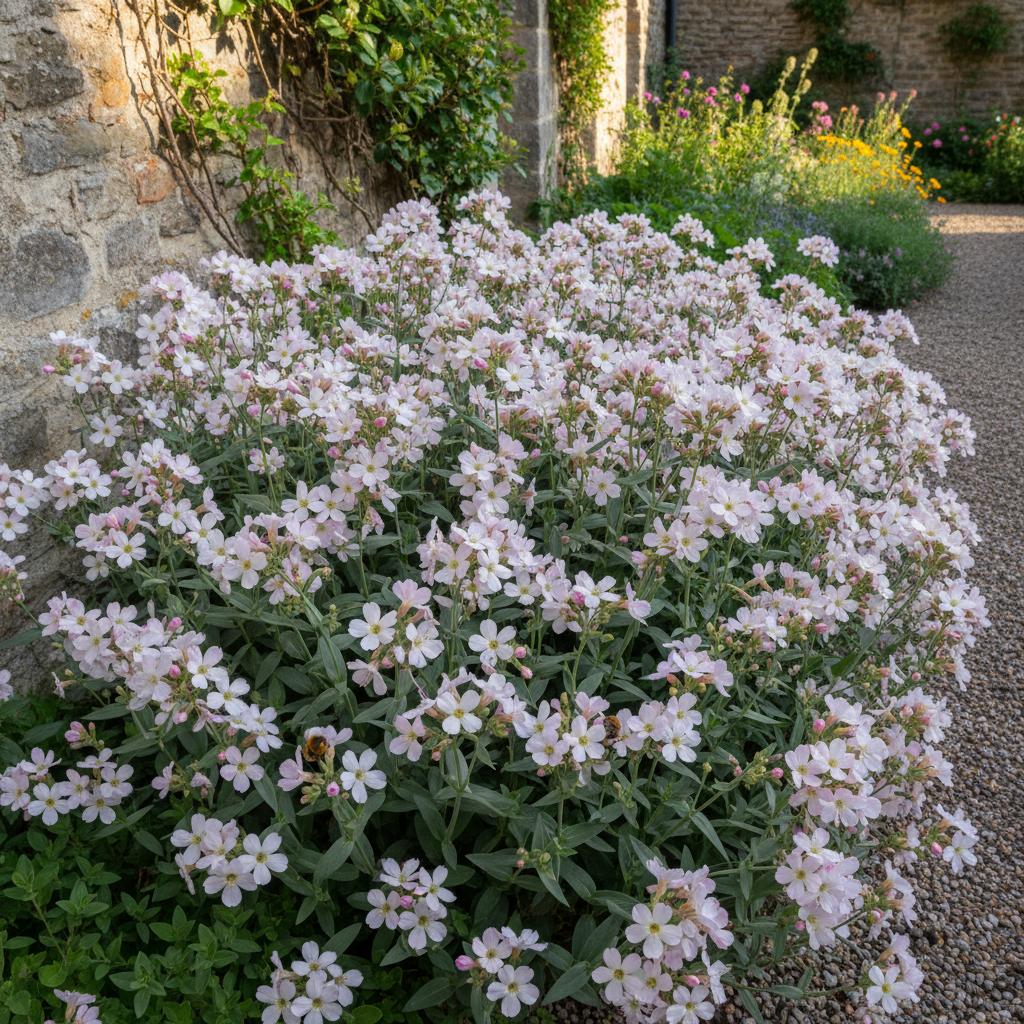
Wild Carnation Toxic?

Wild Carnation is confirmed toxic to cats and dogs, while its toxicity to horses remains unstudied per available data.
The plant’s primary toxic principle is an uncharacterized irritant, as documented in ASPCA toxicology records.
Exposure only causes mild, transient, non-life-threatening symptoms in affected companion animals.
FAQ
Is Wild Carnation toxic to Humans?
No confirmed systemic human toxicity reported; may cause mild localized skin redness or itching in sensitive individuals upon contact. (Non-toxic)
Is Wild Carnation toxic to Cats?
Mild gastrointestinal signs (vomiting, loose stools, reduced appetite) and mild contact dermatitis on exposed skin areas. (Low)
Is Wild Carnation toxic to Dogs?
Mild gastrointestinal signs (nausea, vomiting, diarrhea) and mild localized skin irritation or itching post exposure. (Low)
Is Wild Carnation toxic to Horses?
No confirmed clinical signs documented; toxicity risk remains unclassified per existing research. (Non-toxic)
Toxicity Details
No confirmed systemic human toxicity reported; may cause mild localized skin redness or itching in sensitive individuals upon contact.
Mild gastrointestinal signs (vomiting, loose stools, reduced appetite) and mild contact dermatitis on exposed skin areas.
Mild gastrointestinal signs (nausea, vomiting, diarrhea) and mild localized skin irritation or itching post exposure.
No confirmed clinical signs documented; toxicity risk remains unclassified per existing research.
Toxicity Snapshot
First Aid & Prevention
First 30 Minutes
- • Immediately remove remaining plant material from the exposed animal’s mouth or skin.
- • Rinse exposed skin areas with cool, mild soapy water to reduce dermatitis risk.
- • Monitor closely for onset of gastrointestinal or skin irritation symptoms over the next 2 to 4 hours.
Contact Vet Immediately
- • If vomiting or diarrhea persists for more than 24 hours after exposure.
- • If severe skin redness, blistering, or persistent unmanageable itching develops.
- • If the animal shows signs of distress, lethargy, or refusal to eat or drink post ingestion.
Prevention
- • Keep potted or cut wild carnation arrangements out of reach of household cats and dogs.
- • Avoid planting wild carnation in pastures or grazing areas accessible to horses until toxicity is confirmed.
- • Supervise pets during walks in natural areas where wild carnation grows to prevent accidental ingestion.
Treatment & Prognosis
- • Supportive care including oral hydration is sufficient for most mild gastrointestinal symptom cases.
- • Topical anti-inflammatory or anti-itch creams may be prescribed for moderate dermatitis cases.
- • No specific antidote exists; all treatments are targeted at reducing individual symptom severity.
Professional Toxicology
• The unknown irritant triggers mild inflammatory responses in the gastrointestinal mucosa and skin tissue upon contact or ingestion.
Information from CliniTox veterinary text.
The following plants look similar and may be confused:
Related Toxic Plants

Download PlantFun App
Identify, grow and care for plants effectively!
Instant Plant ID
Take a photo to quickly identify plants.
Smart Care Reminders
Generate watering and care schedules.
Toxicity & Disease Diagnosis
Identify toxic plants and pests with treatment advice.

Data Sources
This information is for reference only and does not constitute medical advice. If ingestion or poisoning is suspected, seek medical or veterinary attention immediately.