 PlantFun
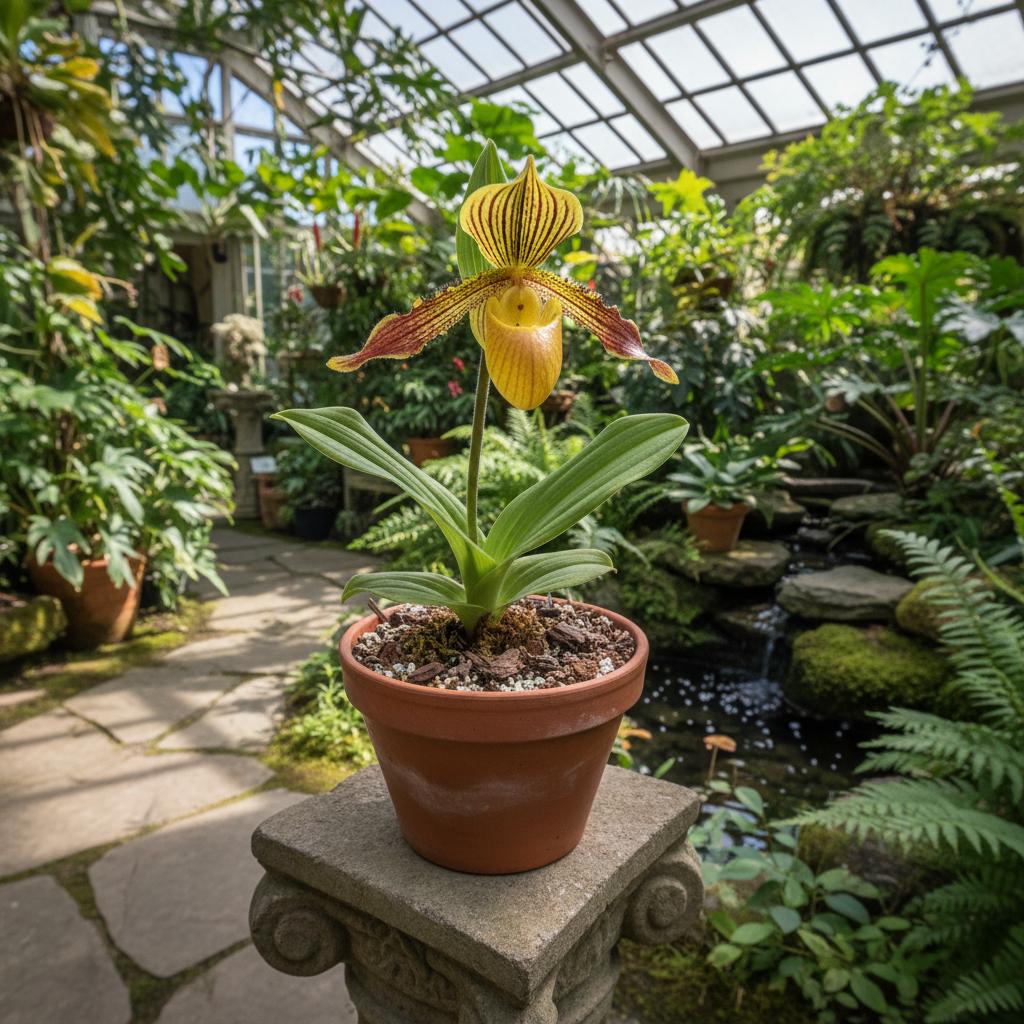
Leopard Orchid Toxic?
Leopard Orchid (Dendrobium gracilicaule) is classified as non-toxic to cats, dogs, and horses by the ASPCA
No harmful toxic chemical compounds have been identified in any part of this orchid species
Accidental ingestion of small volumes of this plant does not typically cause adverse health effects in domestic animals
FAQ
Is Leopard Orchid toxic to Humans?
No expected adverse symptoms from casual contact or small-volume ingestion; unusual symptoms may stem from individual sensitivity or contaminants (Non-toxic)
Is Leopard Orchid toxic to Cats?
No expected toxic reaction to ingestion or contact; rare mild digestive upset may occur if very large quantities are consumed (Non-toxic)
Is Leopard Orchid toxic to Dogs?
No expected toxic reaction to ingestion or contact; rare mild digestive upset may occur if very large quantities are consumed (Non-toxic)
Is Leopard Orchid toxic to Horses?
No expected toxic reaction to ingestion or contact; large intake may cause minor, non-toxic digestive bloating (Non-toxic)
Toxicity Details
No expected adverse symptoms from casual contact or small-volume ingestion; unusual symptoms may stem from individual sensitivity or contaminants
No expected toxic reaction to ingestion or contact; rare mild digestive upset may occur if very large quantities are consumed
No expected toxic reaction to ingestion or contact; rare mild digestive upset may occur if very large quantities are consumed
No expected toxic reaction to ingestion or contact; large intake may cause minor, non-toxic digestive bloating
Toxicity Snapshot
First Aid & Prevention
First 30 Minutes
- • Rinse mouth with clean cool water to remove any remaining plant residue after ingestion
- • Wipe affected skin with mild soap and water if contact causes non-specific mild irritation
- • Monitor for 1 to 2 hours for unusual discomfort, which is highly unlikely to be plant-related
Contact Vet Immediately
- • If your pet exhibits persistent vomiting, diarrhea, or lethargy after ingestion (likely unrelated to the plant itself)
- • If large quantities of the plant were consumed, to rule out secondary digestive upset from excess fiber intake
- • If you cannot confirm the ingested plant is correctly identified as non-toxic Leopard Orchid
Prevention
- • Always confirm proper identification of household and garden orchids before allowing pet or child access
- • Keep unlabeled houseplants out of reach of unsupervised pets and young children as a general safety rule
- • Store potting mixes and gardening fertilizers (which may contain harmful additives) separate from plant foliage
Treatment & Prognosis
- • No specific medical treatment is required for exposure to this non-toxic plant species
- • Provide supportive care for mild, non-specific digestive upset as recommended by a doctor or veterinarian
- • Offer fresh drinking water to any individual or pet that consumed large quantities of the plant to aid digestion
Professional Toxicology
• No toxic physiological mechanism identified, as the species contains no documented harmful chemical compounds
Information from CliniTox veterinary text.
The following plants look similar and may be confused:
Related Toxic Plants
Download PlantFun App
Identify, grow and care for plants effectively!
Instant Plant ID
Take a photo to quickly identify plants.
Smart Care Reminders
Generate watering and care schedules.
Toxicity & Disease Diagnosis
Identify toxic plants and pests with treatment advice.

Data Sources
This information is for reference only and does not constitute medical advice. If ingestion or poisoning is suspected, seek medical or veterinary attention immediately.