 PlantFun
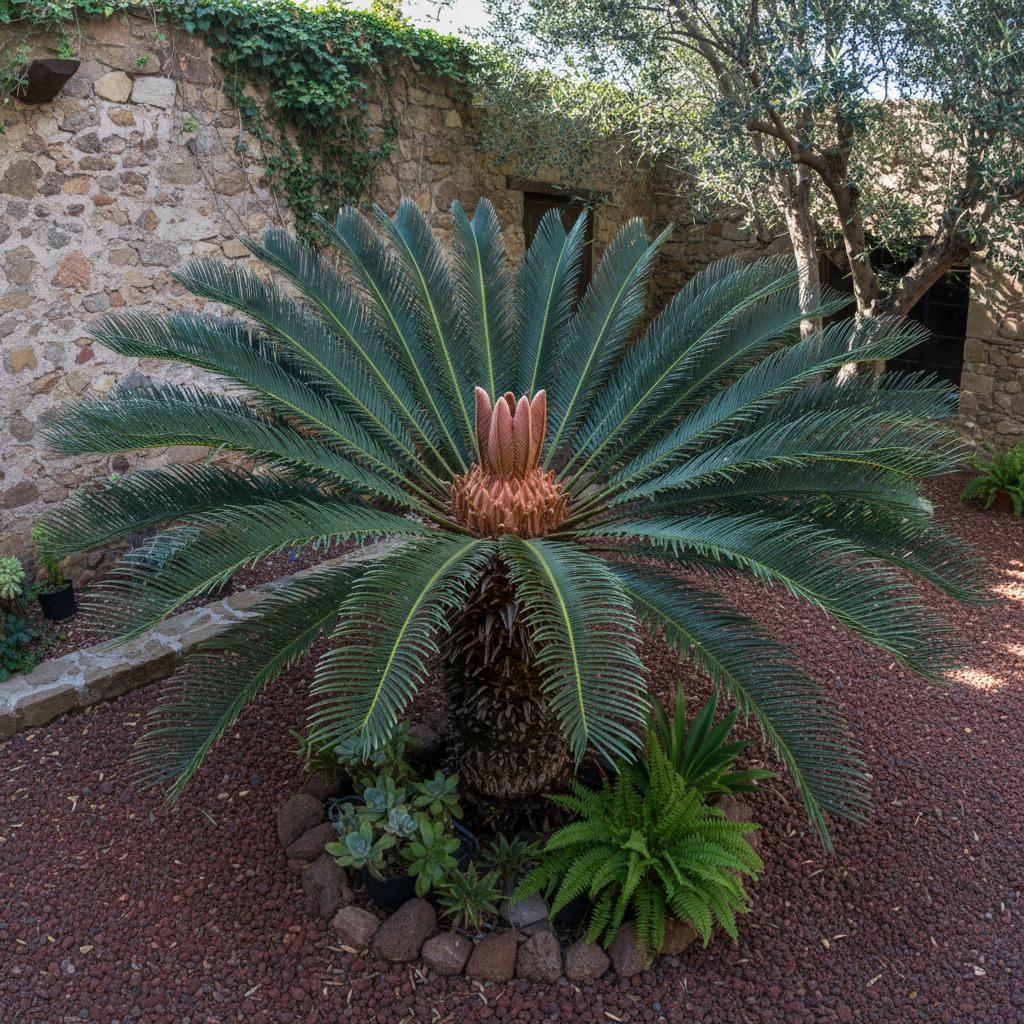
Sago Palm Toxic?

All parts of Sago Palm are toxic, with the highest concentration of dangerous compounds found in its seeds
Ingestion is toxic to cats, dogs, and horses, and carries a high risk of fatal liver failure even in small amounts
Immediate veterinary or medical care is critical if any part of the plant is consumed by an animal or human
FAQ
Is Sago Palm toxic to Humans?
Vomiting, diarrhea, jaundice, liver damage, neurological deficits, and potential fatal organ failure (Moderate)
Is Sago Palm toxic to Cats?
Vomiting, bloody stool, jaundice, increased thirst, hemorrhagic gastroenteritis, bruising, coagulopathy, liver failure, death (Moderate)
Is Sago Palm toxic to Dogs?
Vomiting (potentially bloody), diarrhea (potentially bloody), colic, weakness, ataxia, depression, seizures, coma, liver damage, jaundice, death (Moderate)
Is Sago Palm toxic to Horses?
Regurgitation, jaundice, increased thirst, hemorrhagic gastroenteritis, bruising, coagulopathy, liver damage, liver failure, death (Moderate)
Toxicity Details
Vomiting, diarrhea, jaundice, liver damage, neurological deficits, and potential fatal organ failure
Vomiting, bloody stool, jaundice, increased thirst, hemorrhagic gastroenteritis, bruising, coagulopathy, liver failure, death
Vomiting (potentially bloody), diarrhea (potentially bloody), colic, weakness, ataxia, depression, seizures, coma, liver damage, jaundice, death
Regurgitation, jaundice, increased thirst, hemorrhagic gastroenteritis, bruising, coagulopathy, liver damage, liver failure, death
Toxicity Snapshot
First Aid & Prevention
First 30 Minutes
- • Remove any remaining plant material from the mouth of the exposed individual or animal
- • Do not induce vomiting, give food, or administer medications unless explicitly directed by a medical or veterinary professional
- • Collect a sample of the ingested plant to confirm identity for care providers
Contact Vet Immediately
- • Any confirmed or suspected ingestion of any part of a Sago Palm plant
- • Appearance of symptoms including vomiting, lethargy, jaundice, or unusual bruising post-exposure
- • Seizures, loss of consciousness, or bloody stool/urine after potential contact with the plant
Prevention
- • Keep Sago Palm plants fully out of reach of children, cats, dogs, and grazing animals including horses
- • Clearly label Sago Palm plants on your property to prevent accidental ingestion by at-risk groups
- • Never use any part of the plant for food, craft, or foraging purposes unless verified safe by a plant toxicology expert
Treatment & Prognosis
- • Decontamination via induced vomiting and activated charcoal administration as clinically indicated
- • Symptomatic therapy including mucosal protectants to address gastrointestinal tract damage
- • Continuous monitoring of liver function for a minimum of 72 hours post-exposure
- • Supportive care to manage coagulopathy, neurological symptoms, and liver damage as required
Professional Toxicology
• Cycasin is metabolized by gut flora to methylazoxymethanol, a toxic metabolite that damages liver cells
• Beta-methylamino-L-alanin causes neurotoxic damage impacting motor and cognitive function
• Unidentified toxin contributes to coagulation dysfunction and abnormal tissue bruising
Information from CliniTox veterinary text.
The following plants look similar and may be confused:
Related Toxic Plants


Download PlantFun App
Identify, grow and care for plants effectively!
Instant Plant ID
Take a photo to quickly identify plants.
Smart Care Reminders
Generate watering and care schedules.
Toxicity & Disease Diagnosis
Identify toxic plants and pests with treatment advice.

Data Sources
This information is for reference only and does not constitute medical advice. If ingestion or poisoning is suspected, seek medical or veterinary attention immediately.