 PlantFun
Turban Squash Toxic?
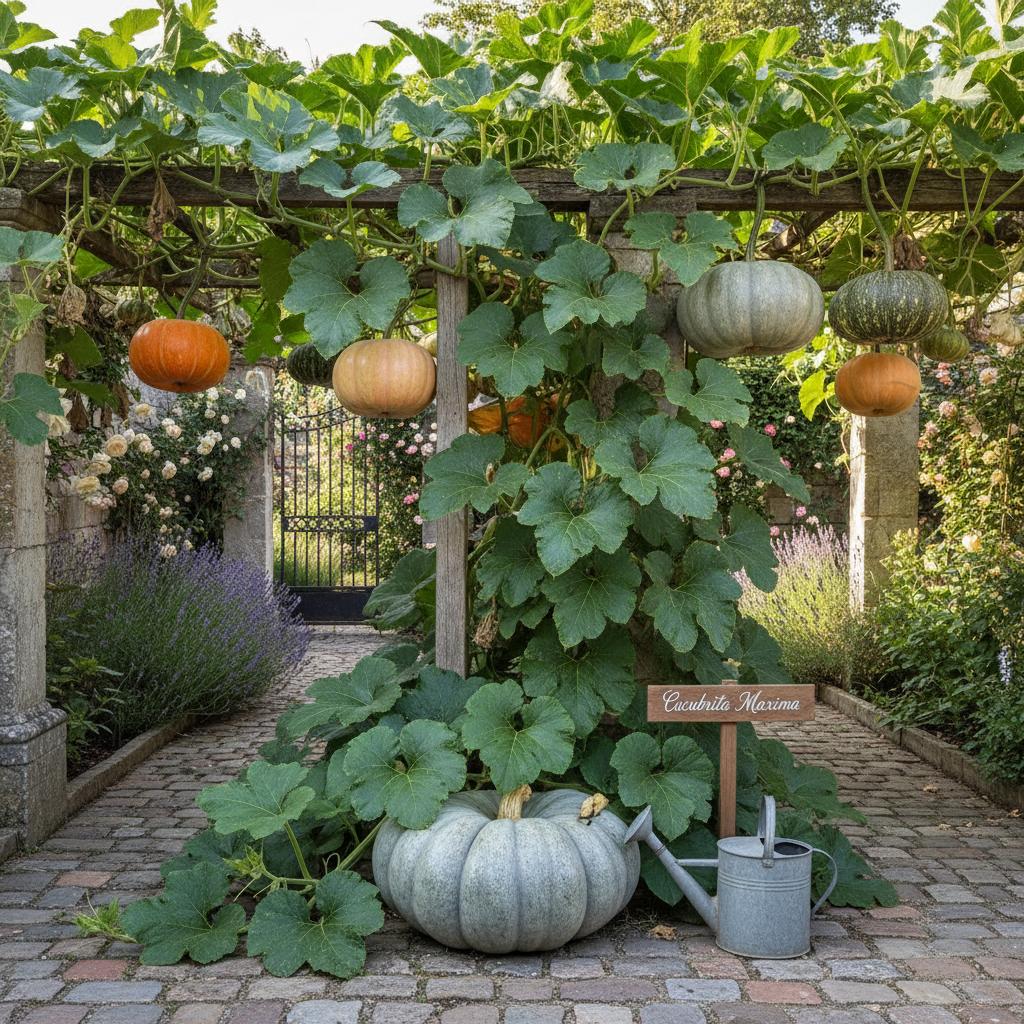
Standard edible Turban Squash is non-toxic to cats, dogs, and horses, but not suitable for use as regular animal feed.
Ornamental bitter gourd variants of this species are extremely toxic, containing strong irritant cucurbitacins identical to those in toxic Bryonia species.
There is high risk of confusion with other toxic Cucurbita species and highly poisonous Bryonia plants.
FAQ
Is Turban Squash toxic to Humans?
If toxic ornamental variant is ingested: severe gastrointestinal irritation, nausea, vomiting, diarrhea, abdominal cramping, possible dizziness and fever in severe cases. (Severe)
Is Turban Squash toxic to Cats?
If toxic variant is ingested: excessive drooling, frequent vomiting, diarrhea, abdominal tenderness, lethargy, refusal to eat. (Severe)
Is Turban Squash toxic to Dogs?
If toxic variant is ingested: hypersalivation, vomiting, potentially hemorrhagic diarrhea, abdominal pain, loss of appetite, dehydration. (Severe)
Is Turban Squash toxic to Horses?
If toxic variant is ingested: colic, watery diarrhea, lethargy, refusal to feed, increased salivation, electrolyte imbalance. (Severe)
Toxicity Details
If toxic ornamental variant is ingested: severe gastrointestinal irritation, nausea, vomiting, diarrhea, abdominal cramping, possible dizziness and fever in severe cases.
If toxic variant is ingested: excessive drooling, frequent vomiting, diarrhea, abdominal tenderness, lethargy, refusal to eat.
If toxic variant is ingested: hypersalivation, vomiting, potentially hemorrhagic diarrhea, abdominal pain, loss of appetite, dehydration.
If toxic variant is ingested: colic, watery diarrhea, lethargy, refusal to feed, increased salivation, electrolyte imbalance.
Toxicity Snapshot
First Aid & Prevention
First 30 Minutes
- • If ingestion of bitter/ornamental variant is suspected, immediately rinse the mouth of the exposed human/animal with clean water.
- • Induce vomiting only if explicitly directed by a medical professional or veterinarian, within 1 hour of ingestion.
- • Collect a sample of the ingested plant for accurate identification to guide treatment.
Contact Vet Immediately
- • If your companion animal or livestock ingests bitter-tasting Turban Squash or ornamental gourd variant.
- • If your animal shows symptoms of gastrointestinal distress (vomiting, diarrhea, colic) after exposure to the plant.
- • If large amounts of the plant are ingested even if no immediate symptoms are present.
Prevention
- • Always verify that harvested Turban Squash is an edible cultivar, not an ornamental gourd, before consumption or feeding to animals.
- • Discard any bitter-tasting squash immediately, as distinct bitterness confirms the presence of toxic cucurbitacins.
- • Keep ornamental gourd variants out of reach of companion animals and livestock at all times.
Treatment & Prognosis
- • Administer supportive care including fluid therapy to correct dehydration and electrolyte imbalances from gastrointestinal losses.
- • Provide gastrointestinal protectants to reduce inflammation and irritation of the gut lining.
- • Deliver symptomatic care for pain and other presenting symptoms as directed by a medical provider or veterinarian.
Professional Toxicology
• Cucurbitacins act as strong mucosal irritants, triggering severe inflammation and tissue damage across the gastrointestinal tract, leading to fluid loss and electrolyte imbalance. In high doses, they may also cause hepatic and renal damage.
Information from CliniTox veterinary text.
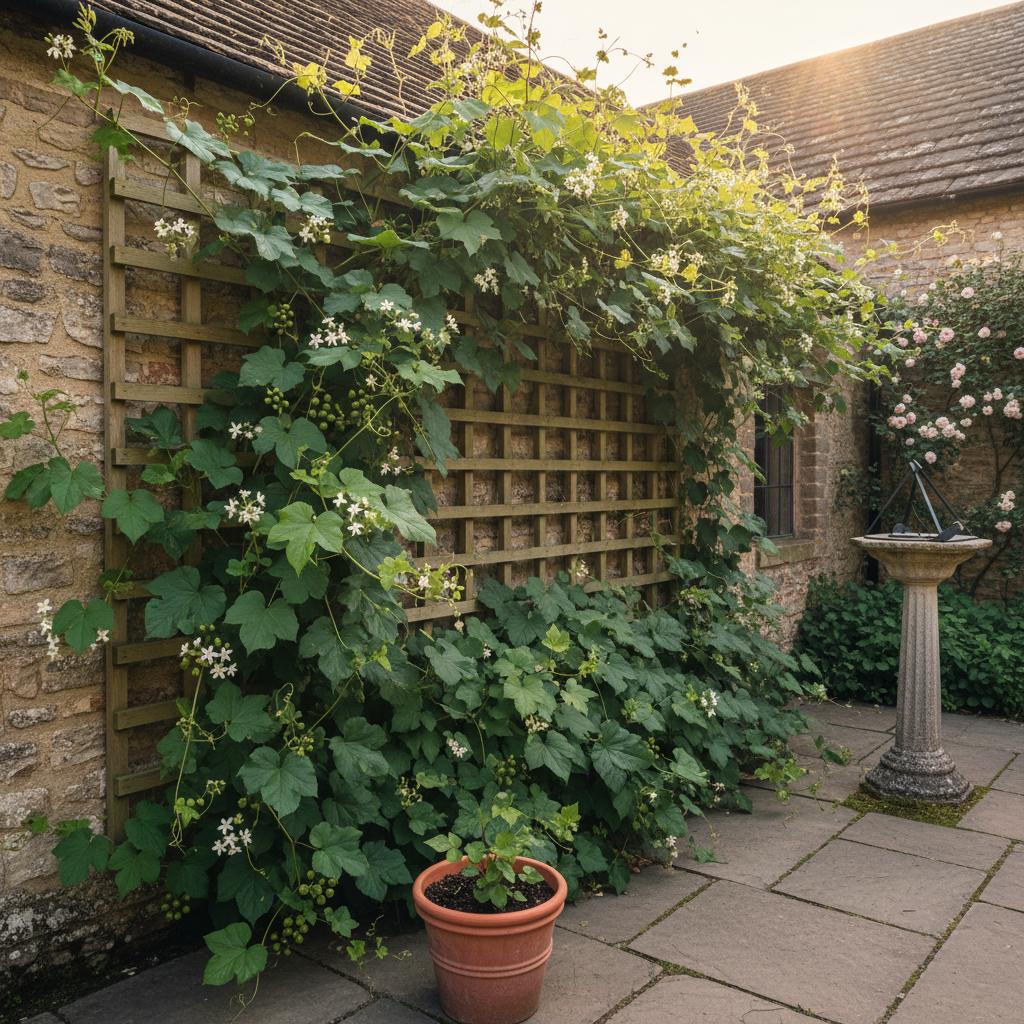
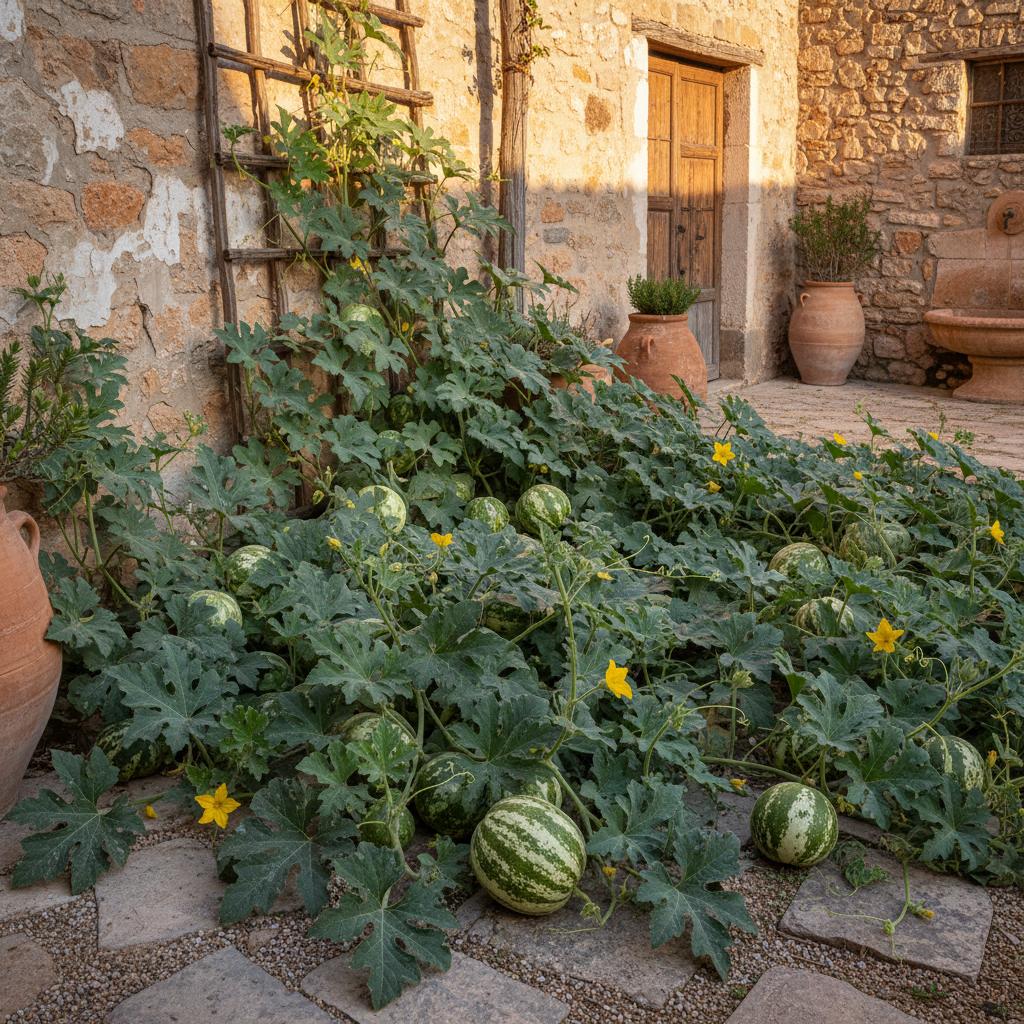
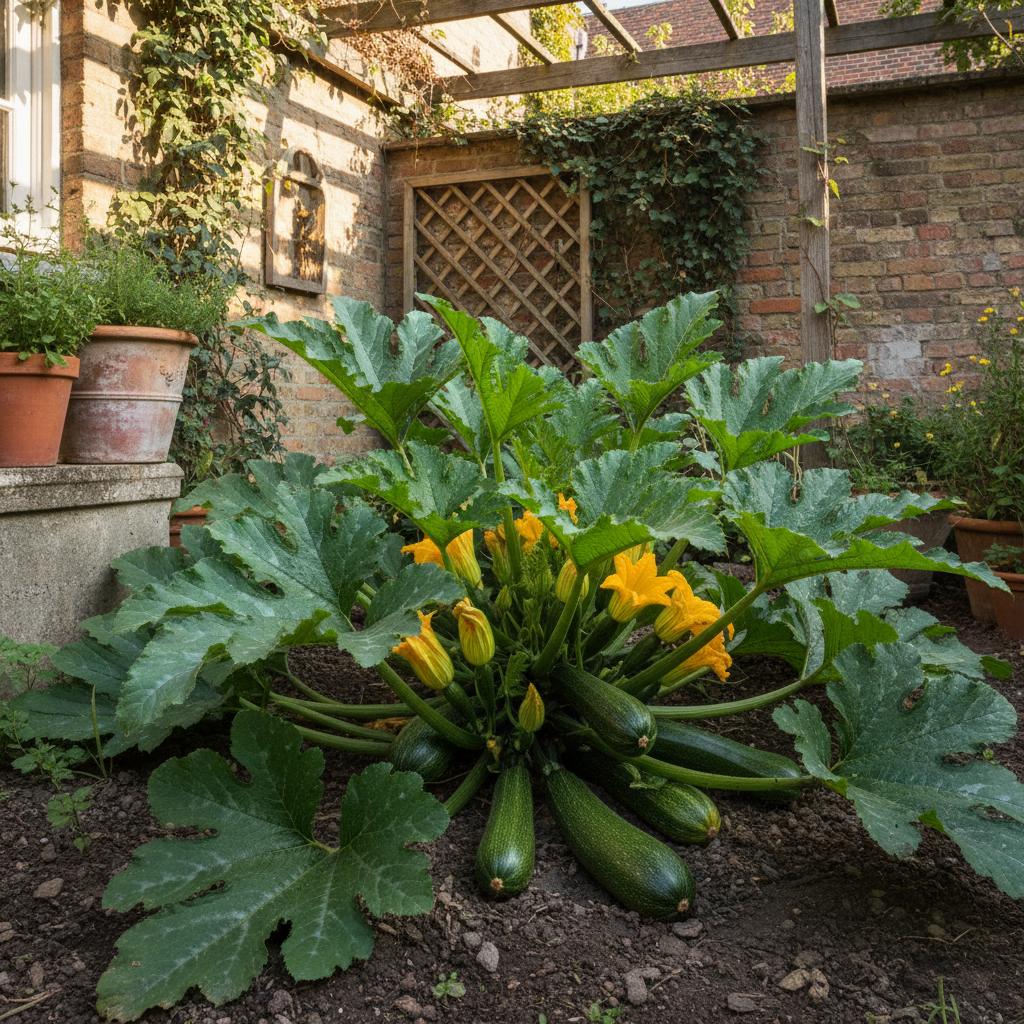
The following plants look similar and may be confused:
Related Toxic Plants
Download PlantFun App
Identify, grow and care for plants effectively!
Instant Plant ID
Take a photo to quickly identify plants.
Smart Care Reminders
Generate watering and care schedules.
Toxicity & Disease Diagnosis
Identify toxic plants and pests with treatment advice.

Data Sources
This information is for reference only and does not constitute medical advice. If ingestion or poisoning is suspected, seek medical or veterinary attention immediately.