 PlantFun
Gherkins Toxic?
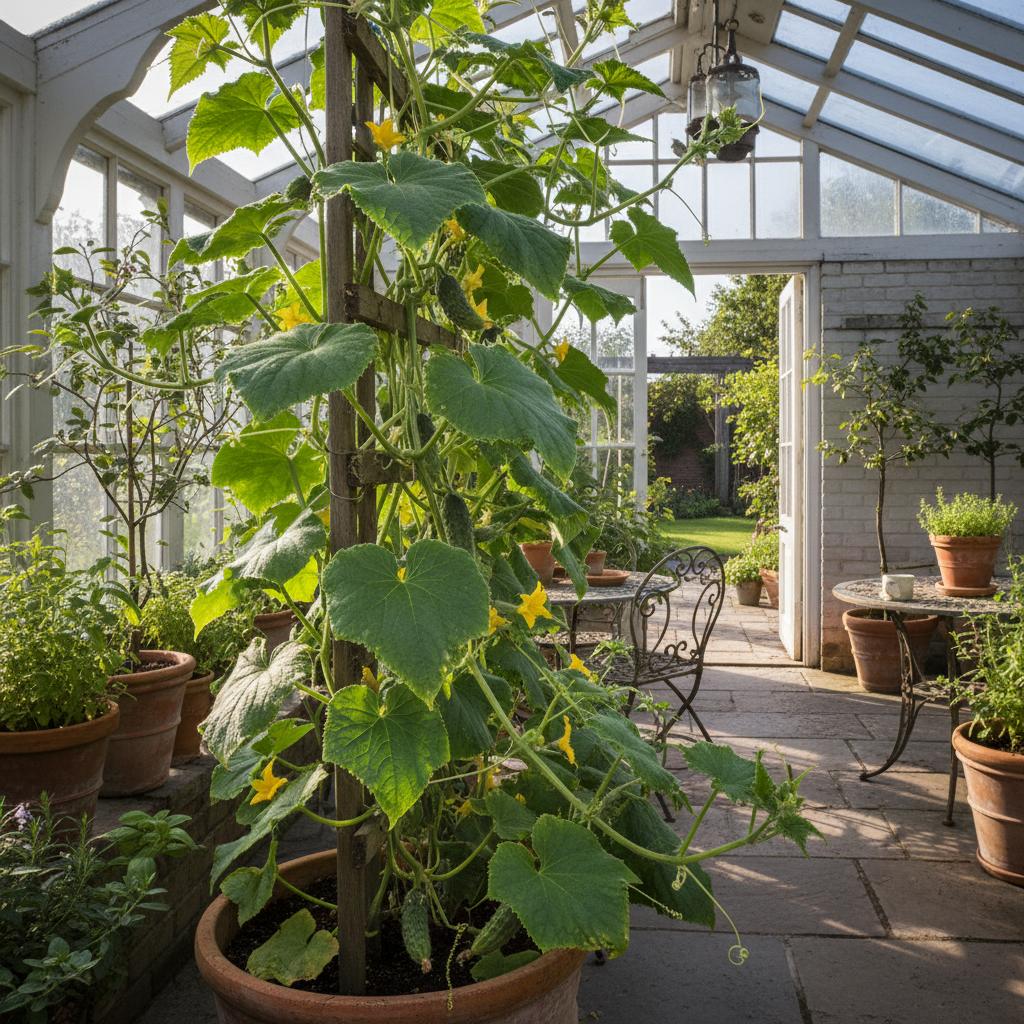
Gherkins are officially categorized as non-toxic to cats, dogs, and horses per ASPCA toxicology data
No harmful toxic compounds have been identified in properly cultivated, unspoiled gherkins
Normal moderate consumption of unseasoned fresh gherkins carries no inherent poisoning risk for the listed species
FAQ
Is Gherkins toxic to Humans?
No poisoning symptoms from normal consumption; excessive intake may only cause mild temporary digestive discomfort like bloating or loose stool (Non-toxic)
Is Gherkins toxic to Cats?
No known toxic symptoms; rare mild digestive upset may occur in sensitive individuals or after overconsumption (Non-toxic)
Is Gherkins toxic to Dogs?
No known toxic symptoms; small amounts of unseasoned gherkins are safe, large servings may cause temporary gas or loose stool (Non-toxic)
Is Gherkins toxic to Horses?
No known toxic symptoms; unregulated excessive intake may lead to mild gastrointestinal irritation in rare cases (Non-toxic)
Toxicity Details
No poisoning symptoms from normal consumption; excessive intake may only cause mild temporary digestive discomfort like bloating or loose stool
No known toxic symptoms; rare mild digestive upset may occur in sensitive individuals or after overconsumption
No known toxic symptoms; small amounts of unseasoned gherkins are safe, large servings may cause temporary gas or loose stool
No known toxic symptoms; unregulated excessive intake may lead to mild gastrointestinal irritation in rare cases
Toxicity Snapshot
First Aid & Prevention
First 30 Minutes
- • If the animal consumed heavily pickled/seasoned gherkins, rinse their mouth to remove excess salt or harmful additives
- • Monitor for signs of mild digestive upset (drooling, loose stool, reduced appetite) for 24 hours if large amounts were eaten
- • Offer small amounts of fresh water to support digestion if overconsumption occurred
Contact Vet Immediately
- • If the animal shows persistent vomiting, diarrhea, or lethargy lasting more than 24 hours after consumption
- • If the consumed gherkins were contaminated with pesticides, mold, or toxic additives like garlic, onion, or xylitol
- • If the animal has pre-existing digestive or metabolic conditions that may be exacerbated by high acid/water content
Prevention
- • Avoid feeding pickled, seasoned, or processed gherkins to animals, as added ingredients may be harmful
- • Wash fresh gherkins thoroughly before feeding to remove residual pesticides or surface contaminants
- • Limit serving sizes to small portions appropriate for the animal's size to avoid unnecessary digestive stress
Treatment & Prognosis
- • Supportive care only for mild digestive discomfort, including temporary restricted diet and consistent water access
- • Address secondary issues from harmful additives or contaminants as directed by a veterinarian
- • No specific antidote is required, as no inherent toxic compounds are present in unspoiled cultivated gherkins
Professional Toxicology
• No toxic mechanism identified, as no compounds targeting human or animal physiological systems are present in properly cultivated gherkins
Information from CliniTox veterinary text.
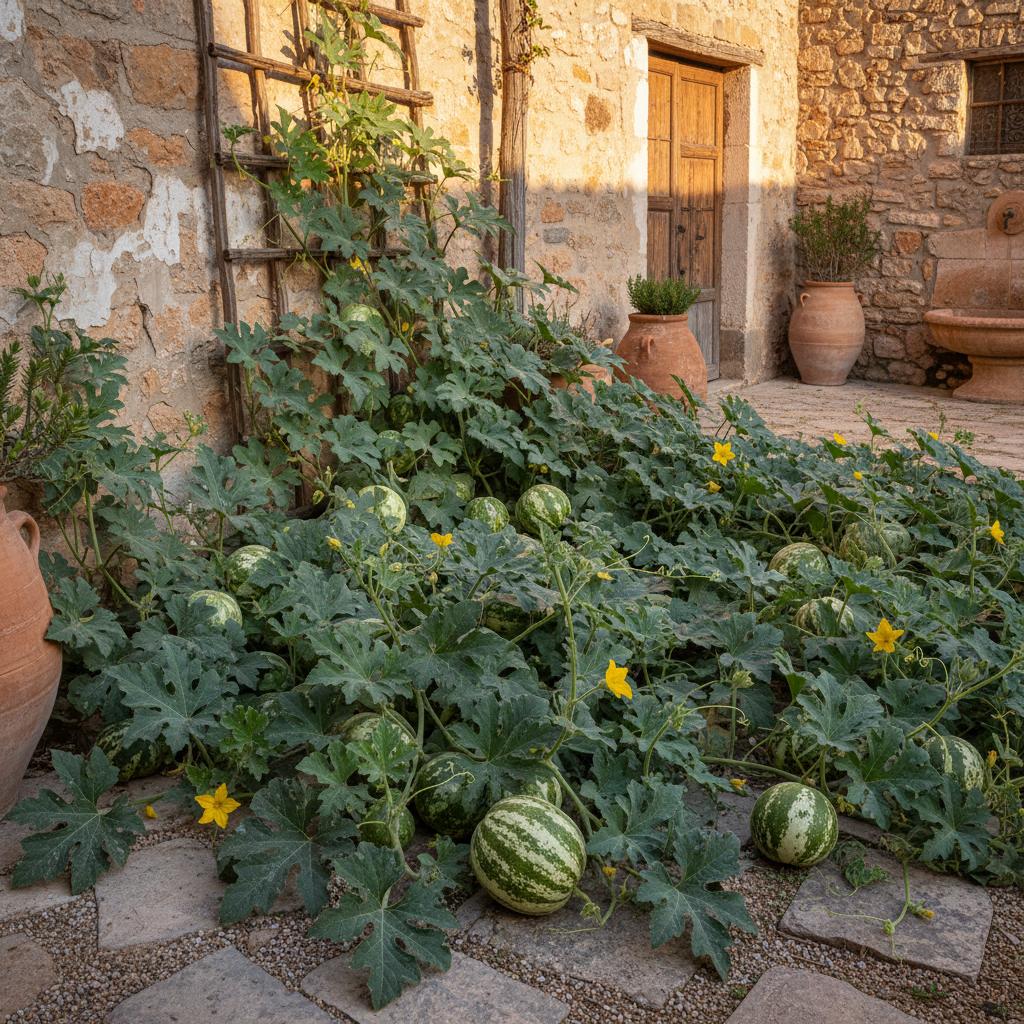
The following plants look similar and may be confused:
Related Toxic Plants


Download PlantFun App
Identify, grow and care for plants effectively!
Instant Plant ID
Take a photo to quickly identify plants.
Smart Care Reminders
Generate watering and care schedules.
Toxicity & Disease Diagnosis
Identify toxic plants and pests with treatment advice.

Data Sources
This information is for reference only and does not constitute medical advice. If ingestion or poisoning is suspected, seek medical or veterinary attention immediately.