 PlantFun
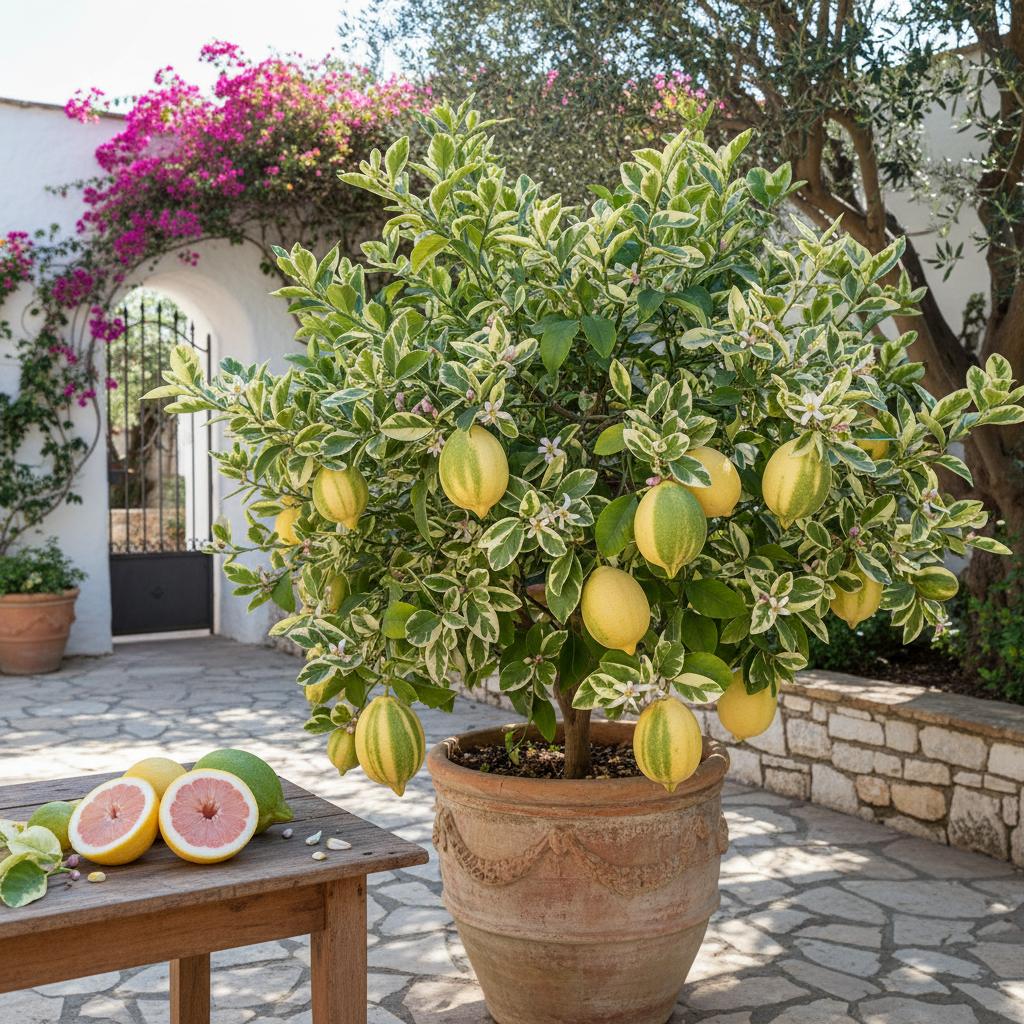
Calamondin Orange Toxic?
Calamondin Orange is confirmed toxic to cats, dogs, and horses per ASPCA data, with no safe low-dose exposure threshold for these species.
Its core toxic components are naturally occurring essential oils and psoralens found across all plant parts.
Exposure can cause both immediate gastrointestinal symptoms and delayed photosensitive skin reactions in affected animals.
FAQ
Is Calamondin Orange toxic to Humans?
No severe toxicity reported for incidental small ingestion; high-dose skin contact with extracts may cause mild irritation or photosensitivity. (Low)
Is Calamondin Orange toxic to Cats?
Vomiting, diarrhea, lethargy/depression, potential photosensitive dermatitis (skin redness, blistering with sun exposure) (Moderate)
Is Calamondin Orange toxic to Dogs?
Vomiting, diarrhea, lethargy/depression, potential photosensitive dermatitis (skin redness, blistering with sun exposure) (Moderate)
Is Calamondin Orange toxic to Horses?
Vomiting, diarrhea, lethargy/depression, potential photosensitive dermatitis (skin redness, blistering with sun exposure) (Moderate)
Toxicity Details
No severe toxicity reported for incidental small ingestion; high-dose skin contact with extracts may cause mild irritation or photosensitivity.
Vomiting, diarrhea, lethargy/depression, potential photosensitive dermatitis (skin redness, blistering with sun exposure)
Vomiting, diarrhea, lethargy/depression, potential photosensitive dermatitis (skin redness, blistering with sun exposure)
Vomiting, diarrhea, lethargy/depression, potential photosensitive dermatitis (skin redness, blistering with sun exposure)
Toxicity Snapshot
First Aid & Prevention
First 30 Minutes
- • For ingestion: Remove remaining plant material from the animal's mouth, rinse the mouth thoroughly with clean cool water.
- • For skin exposure: Wash affected skin areas with mild pet-safe soap and cool water, keep the animal out of direct sunlight for 48 hours post-exposure.
- • Do not induce vomiting or administer home remedies unless explicitly instructed by a licensed veterinarian.
Contact Vet Immediately
- • The animal has ingested more than 1 small piece of the plant, or any amount of concentrated calamondin essential oil.
- • Clinical symptoms including persistent vomiting, diarrhea, lethargy, or skin rash/redness develop after exposure.
- • The exposed animal is juvenile, senior, or has pre-existing gastrointestinal or skin health conditions.
Prevention
- • Keep potted calamondin plants, fallen leaves, and fruit out of reach of cats, dogs, and horses.
- • Never feed calamondin fruit, peels, or homemade extracts to vulnerable animal species.
- • Store all calamondin-derived essential oil products in sealed, animal-inaccessible containers.
Treatment & Prognosis
- • Veterinary gastrointestinal decontamination (for recent large ingestions) and fluid therapy to address dehydration from vomiting/diarrhea.
- • Topical anti-inflammatory treatment for severe photosensitive dermatitis, paired with strict sun avoidance for 72 hours post-exposure.
- • Symptomatic monitoring of central nervous system function until all depression/lethargy signs fully resolve.
Professional Toxicology
• Essential oils irritate gastrointestinal tract mucosa, triggering vomiting and diarrhea, and can cause mild central nervous system depression at high doses.
• Psoralens bind to skin cell DNA when exposed to UV light, causing cell damage and photosensitive inflammatory dermatitis.
Information from CliniTox veterinary text.
The following plants look similar and may be confused:
Related Toxic Plants

Download PlantFun App
Identify, grow and care for plants effectively!
Instant Plant ID
Take a photo to quickly identify plants.
Smart Care Reminders
Generate watering and care schedules.
Toxicity & Disease Diagnosis
Identify toxic plants and pests with treatment advice.

Data Sources
This information is for reference only and does not constitute medical advice. If ingestion or poisoning is suspected, seek medical or veterinary attention immediately.