 PlantFun
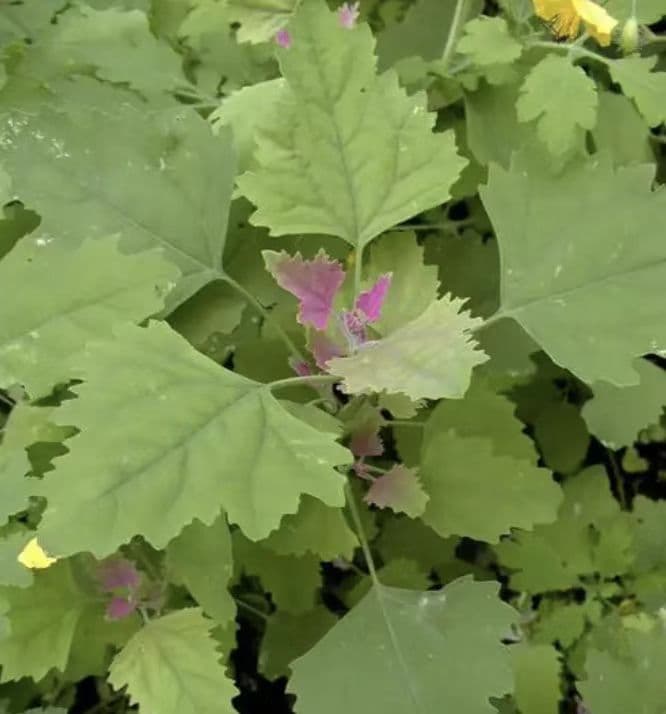
Ambrosia Mexicana Toxic?
Ambrosia Mexicana is confirmed toxic to cats, dogs, and horses per official ASPCA toxicology records
Its primary toxic active compounds are sesquiterpene lactones that drive adverse health reactions
Common clinical signs of ingestion include vomiting, loss of appetite, and lethargic depression
FAQ
Is Ambrosia Mexicana toxic to Humans?
No formal ASPCA human toxicity data available; avoid consumption and seek medical care if adverse reactions occur after exposure (Low)
Is Ambrosia Mexicana toxic to Cats?
Vomiting, anorexia, depression (Moderate)
Is Ambrosia Mexicana toxic to Dogs?
Vomiting, anorexia, depression (Moderate)
Is Ambrosia Mexicana toxic to Horses?
Rare vomiting, anorexia, depression, reduced activity levels (Moderate)
Toxicity Details
No formal ASPCA human toxicity data available; avoid consumption and seek medical care if adverse reactions occur after exposure
Vomiting, anorexia, depression
Vomiting, anorexia, depression
Rare vomiting, anorexia, depression, reduced activity levels
Toxicity Snapshot
First Aid & Prevention
First 30 Minutes
- • Prevent further ingestion by removing all remaining plant material from the animal’s mouth and surroundings
- • Collect a sample of the ingested plant for veterinary identification
- • Contact a vet immediately to confirm if induced vomiting or at-home decontamination is appropriate
Contact Vet Immediately
- • Your pet or horse has ingested any quantity of Ambrosia Mexicana
- • The animal exhibits signs including vomiting, loss of appetite, or unusual lethargy
- • You are uncertain if the ingested plant is this toxic Chenopodium species
Prevention
- • Keep potted or planted Ambrosia Mexicana out of reach of all pets and horses
- • Clear wild growth of this species from pastures, yards, and other animal-accessible spaces
- • Learn to identify this plant to avoid accidental planting in pet-friendly gardens
Treatment & Prognosis
- • Veterinary-administered decontamination (e.g., activated charcoal) to reduce toxin absorption
- • Supportive care including fluid therapy and anti-emetics to manage gastrointestinal symptoms
- • Monitoring of appetite and energy levels until all clinical signs fully resolve
Professional Toxicology
• Sesquiterpene lactones irritate the gastrointestinal mucosa, leading to digestive distress, and may cause mild central nervous system depression in affected animals
Information from CliniTox veterinary text.
The following plants look similar and may be confused:
Related Toxic Plants
Download PlantFun App
Identify, grow and care for plants effectively!
Instant Plant ID
Take a photo to quickly identify plants.
Smart Care Reminders
Generate watering and care schedules.
Toxicity & Disease Diagnosis
Identify toxic plants and pests with treatment advice.

Data Sources
This information is for reference only and does not constitute medical advice. If ingestion or poisoning is suspected, seek medical or veterinary attention immediately.