 PlantFun
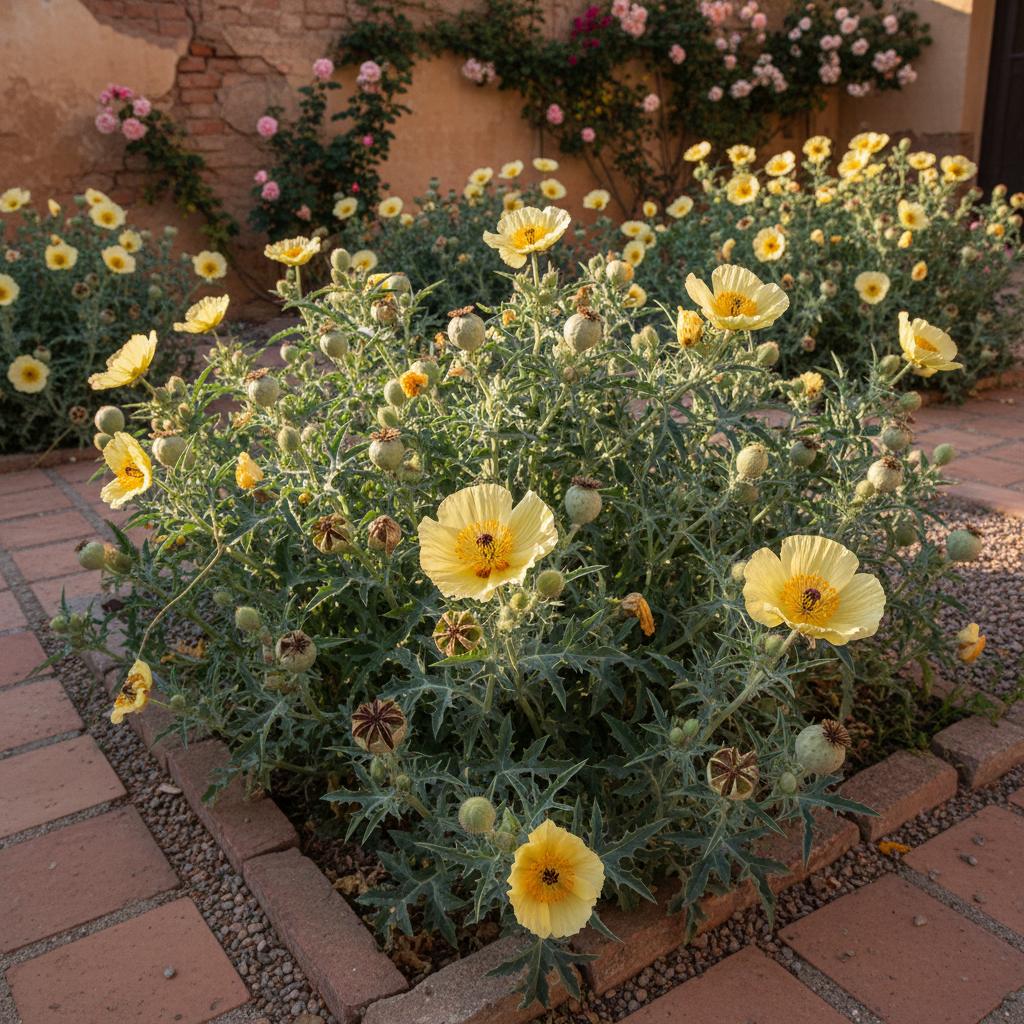
Greater celandine Toxic?

All plant parts are toxic, containing harmful isoquinoline alkaloids in its bitter sap
Poisoning cases are rare due to its unpleasant taste, and drying reduces its toxicity
Severe poisoning can cause life-threatening symptoms including cardiac arrhythmia, shock and convulsions
FAQ
Is Greater celandine toxic to Humans?
Polyuria, drowsiness, cardiac arrhythmia, shock, gastroenteritis, convulsions, bradycardia, hypotension (High)
Is Greater celandine toxic to Cats?
No species-specific symptom data available; may present with gastrointestinal distress, neurological abnormalities and cardiac dysfunction if ingested (Moderate)
Is Greater celandine toxic to Dogs?
No species-specific symptom data available; may present with gastrointestinal distress, neurological abnormalities and cardiac dysfunction if ingested (Moderate)
Is Greater celandine toxic to Horses?
No species-specific symptom data available; may present with gastrointestinal distress, neurological abnormalities and cardiac dysfunction if ingested (Moderate)
Toxicity Details
Polyuria, drowsiness, cardiac arrhythmia, shock, gastroenteritis, convulsions, bradycardia, hypotension
No species-specific symptom data available; may present with gastrointestinal distress, neurological abnormalities and cardiac dysfunction if ingested
No species-specific symptom data available; may present with gastrointestinal distress, neurological abnormalities and cardiac dysfunction if ingested
No species-specific symptom data available; may present with gastrointestinal distress, neurological abnormalities and cardiac dysfunction if ingested
Toxicity Snapshot
First Aid & Prevention
First 30 Minutes
- • Induce vomiting only if the exposed individual is fully conscious and ingestion occurred within 2 hours
- • Administer activated charcoal to absorb remaining toxins if accessible
- • Avoid giving oily or dairy products that may accelerate toxin absorption
Contact Vet Immediately
- • Any confirmed or suspected ingestion of the plant by cats, dogs or horses
- • Appearance of symptoms including convulsions, irregular heartbeat, severe diarrhea or altered consciousness
- • Persistent local irritation, redness or swelling after skin contact with the plant sap
Prevention
- • Remove the plant from residential areas, pet access spaces and livestock grazing pastures
- • Learn to distinguish greater celandine from visually similar plants before foraging for wild edibles
- • Avoid using unprocessed greater celandine for home medicinal use without professional medical guidance
Treatment & Prognosis
- • Perform gastrointestinal decontamination (emesis, gastric lavage, activated charcoal) as appropriate for the exposure case
- • Provide symptomatic supportive care: control convulsions, correct cardiac arrhythmias and hypotension, restore electrolyte balance
- • Monitor vital signs including heart rate, blood pressure and urine output until symptoms fully resolve
Professional Toxicology
• Isoquinoline alkaloids act on the central nervous system, causing sedation, convulsions and neurological impairment
• Alkaloids disrupt cardiac function, leading to arrhythmias, bradycardia and reduced blood pressure
• Bitter plant sap irritates gastrointestinal mucosa, triggering gastroenteritis and related digestive symptoms
Information from CliniTox veterinary text.
The following plants look similar and may be confused:
Related Toxic Plants


Download PlantFun App
Identify, grow and care for plants effectively!
Instant Plant ID
Take a photo to quickly identify plants.
Smart Care Reminders
Generate watering and care schedules.
Toxicity & Disease Diagnosis
Identify toxic plants and pests with treatment advice.

Data Sources
This information is for reference only and does not constitute medical advice. If ingestion or poisoning is suspected, seek medical or veterinary attention immediately.