 PlantFun
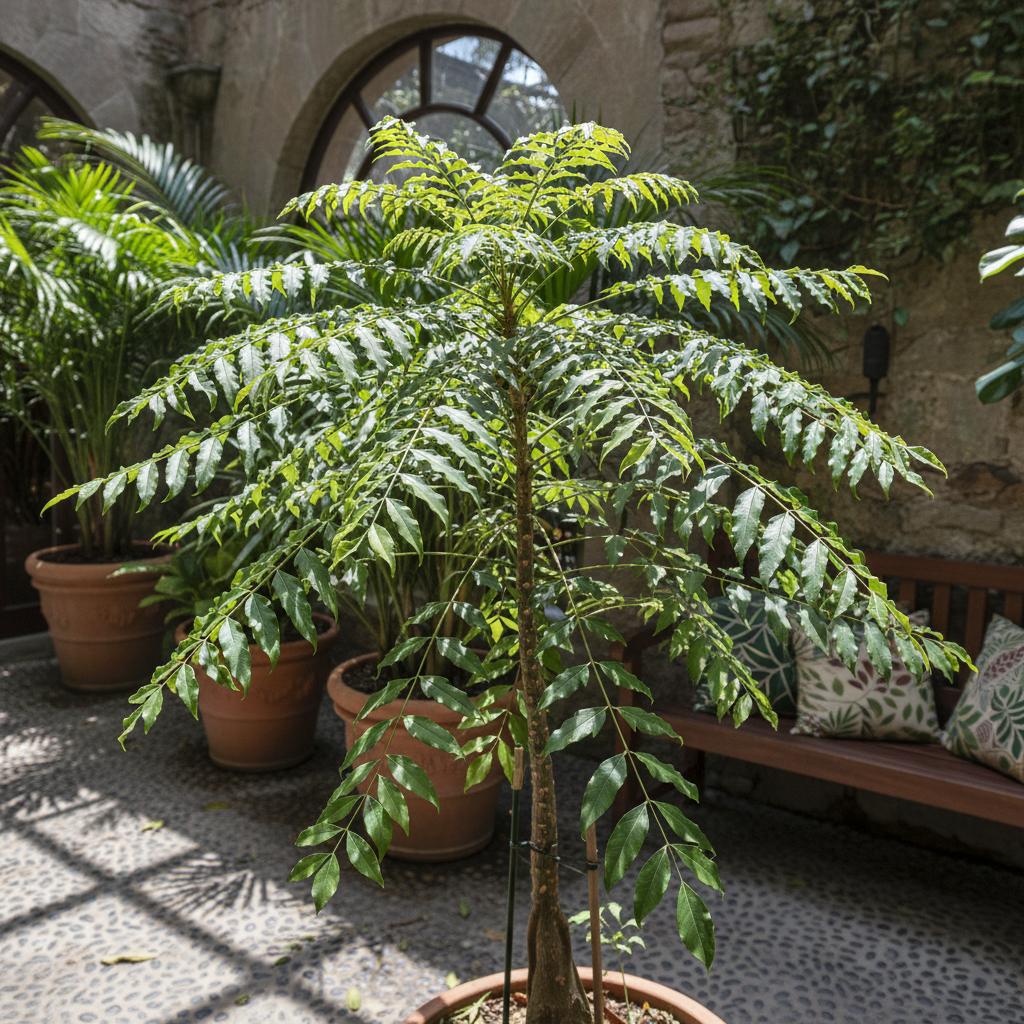
Umbrella Tree Toxic?
Toxic to cats and dogs; toxicity status for horses is currently unconfirmed
Contains active toxic compounds including terpenoids, saponins, and insoluble oxalates
Ingestion typically only causes mild, self-limiting vomiting and diarrhea in most affected animals
FAQ
Is Umbrella Tree toxic to Humans?
Limited human data available, ingestion is expected to cause mild vomiting and diarrhea consistent with reported animal symptoms (Low)
Is Umbrella Tree toxic to Cats?
Mild vomiting and diarrhea after ingestion of plant material (Low)
Is Umbrella Tree toxic to Dogs?
Mild vomiting and diarrhea after ingestion of plant material (Low)
Is Umbrella Tree toxic to Horses?
No confirmed clinical symptom data available for equine ingestion (Unknown)
Toxicity Details
Limited human data available, ingestion is expected to cause mild vomiting and diarrhea consistent with reported animal symptoms
Mild vomiting and diarrhea after ingestion of plant material
Mild vomiting and diarrhea after ingestion of plant material
No confirmed clinical symptom data available for equine ingestion
Toxicity Snapshot
First Aid & Prevention
First 30 Minutes
- • Remove any remaining plant material from the mouth of the exposed person or pet immediately
- • Rinse the mouth thoroughly with clean, cool water to remove residual plant particles
- • Monitor for onset of gastrointestinal symptoms over the next 2 to 4 hours
Contact Vet Immediately
- • Vomiting or diarrhea persists for more than 24 hours after exposure
- • Symptoms are severe (bloody stool, lethargy, loss of appetite) rather than mild
- • A very large quantity of the plant was ingested by a small pet or young child
Prevention
- • Place the plant out of reach of cats, dogs, and young children to avoid accidental ingestion
- • Wear gloves when pruning or handling the plant to avoid potential skin irritation from sap
- • Educate household members about the plant's mild toxicity to prevent intentional consumption
Treatment & Prognosis
- • Supportive care including fluid replacement to address dehydration from vomiting or diarrhea
- • Administration of anti-emetic medications if vomiting is frequent or persistent
- • Topical hydrocortisone for mild skin irritation caused by sap contact
Professional Toxicology
• Insoluble oxalate crystals irritate the oral cavity and gastrointestinal mucosa on contact
• Saponins and terpenoids trigger additional gastrointestinal irritation leading to vomiting and diarrhea
• Systemic toxicity is very rare as the toxic compounds are poorly absorbed in typical small ingestion quantities
Information from CliniTox veterinary text.
The following plants look similar and may be confused:
Related Toxic Plants

Download PlantFun App
Identify, grow and care for plants effectively!
Instant Plant ID
Take a photo to quickly identify plants.
Smart Care Reminders
Generate watering and care schedules.
Toxicity & Disease Diagnosis
Identify toxic plants and pests with treatment advice.

Data Sources
This information is for reference only and does not constitute medical advice. If ingestion or poisoning is suspected, seek medical or veterinary attention immediately.