 PlantFun
Begonia Toxic?
Begonia is confirmed toxic to cats, dogs, and horses via official ASPCA toxicology records
Soluble calcium oxalates are the primary toxic agent, with the highest concentration in underground roots/rhizomes
Ingestion by grazing animals like horses carries a high risk of life-threatening kidney failure
FAQ
Is Begonia toxic to Humans?
Limited documented data; large ingestions may cause mild oral irritation, salivation, and gastrointestinal upset (Low)
Is Begonia toxic to Cats?
Excessive salivation, vomiting, oral pain and irritation, potential gastrointestinal distress (Moderate)
Is Begonia toxic to Dogs?
Excessive salivation, vomiting, oral pain and irritation, potential gastrointestinal distress (Moderate)
Is Begonia toxic to Horses?
Acute kidney failure, salivation, gastrointestinal distress, reduced appetite and lethargy (Severe)
Toxicity Details
Limited documented data; large ingestions may cause mild oral irritation, salivation, and gastrointestinal upset
Excessive salivation, vomiting, oral pain and irritation, potential gastrointestinal distress
Excessive salivation, vomiting, oral pain and irritation, potential gastrointestinal distress
Acute kidney failure, salivation, gastrointestinal distress, reduced appetite and lethargy
Toxicity Snapshot
First Aid & Prevention
First 30 Minutes
- • Safely remove any remaining begonia plant material from the exposed animal's mouth immediately
- • Rinse the animal's mouth and any exposed skin with cool, clean running water to reduce irritation
- • Do not induce vomiting or administer home remedies unless explicitly directed by a veterinary professional
Contact Vet Immediately
- • Any confirmed ingestion of begonia, especially consumption of underground root or rhizome parts
- • Appearance of symptoms including vomiting, excessive salivation, lethargy, or reduced appetite after exposure
- • Confirmed grazing on begonia by horses or other grazing livestock, even if no immediate symptoms are present
Prevention
- • Keep potted begonia plants out of reach of household pets, and restrict access to outdoor begonia plantings
- • Remove all wild or cultivated begonia growth from pastures used for horse or livestock grazing
- • Clearly label begonia plants in shared gardens or households to prevent accidental exposure
Treatment & Prognosis
- • Veterinary care may include gastrointestinal decontamination for recent, large ingestions
- • Supportive fluid therapy will likely be administered to reduce risk of kidney damage, especially for horses
- • Symptomatic care for oral irritation, vomiting, and gastrointestinal distress may be provided as needed
Professional Toxicology
• Soluble calcium oxalate crystals irritate mucous membranes on contact, causing immediate oral and gastrointestinal distress
• Absorbed oxalate crystals accumulate in renal tissue, leading to acute kidney damage and failure in susceptible grazing species like horses
Information from CliniTox veterinary text.
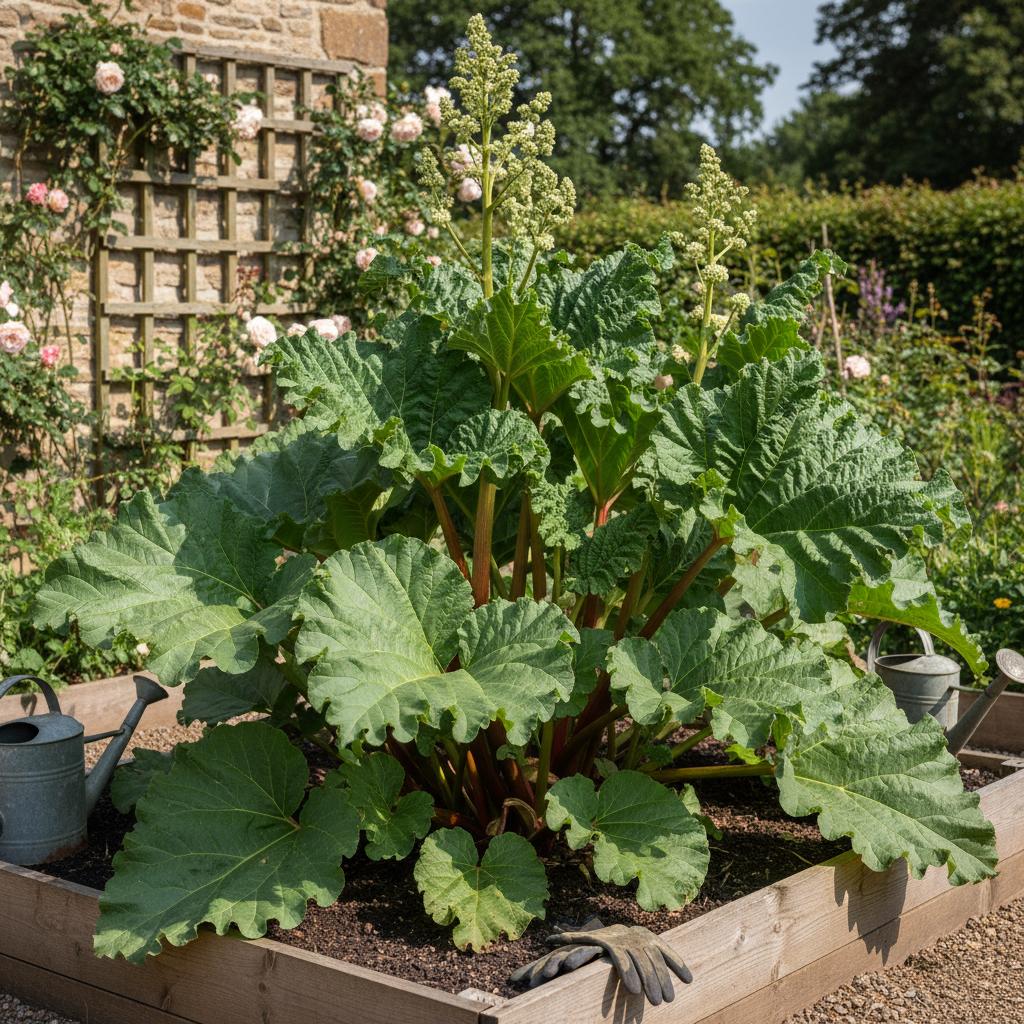
The following plants look similar and may be confused:
Related Toxic Plants

Download PlantFun App
Identify, grow and care for plants effectively!
Instant Plant ID
Take a photo to quickly identify plants.
Smart Care Reminders
Generate watering and care schedules.
Toxicity & Disease Diagnosis
Identify toxic plants and pests with treatment advice.

Data Sources
This information is for reference only and does not constitute medical advice. If ingestion or poisoning is suspected, seek medical or veterinary attention immediately.