 PlantFun
Iron Cross Begonia Toxic?
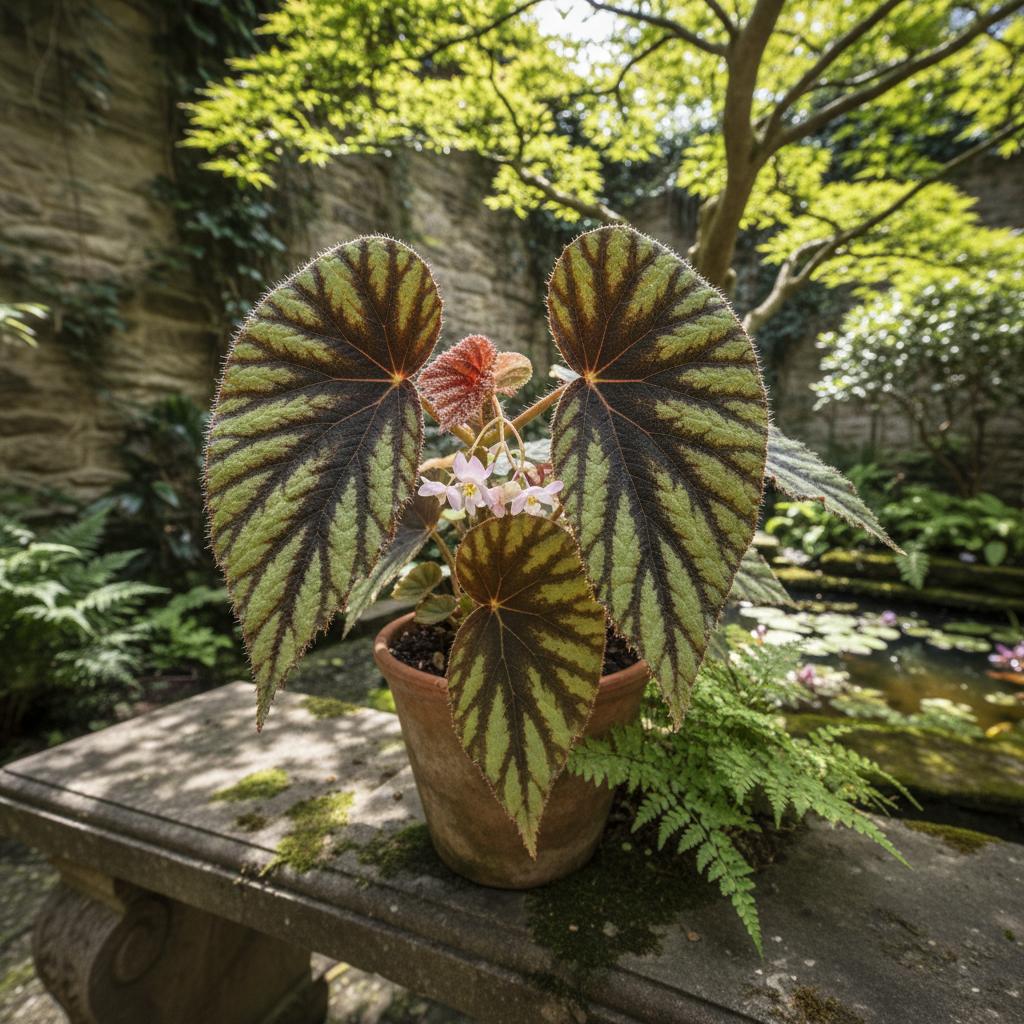
This plant is confirmed toxic to cats, dogs, and horses per ASPCA toxicology data
Soluble calcium oxalates are the primary toxic compound present in all plant parts
Underground roots and rhizomes carry the highest toxicity concentration, with fatal kidney failure risk for grazing animals
FAQ
Is Iron Cross Begonia toxic to Humans?
Not formally documented, but may cause oral irritation, excessive salivation, vomiting, and rare kidney damage risk if large quantities are ingested (Low)
Is Iron Cross Begonia toxic to Cats?
Excessive salivation, oral pain and irritation, vomiting, reduced appetite after ingestion (Moderate)
Is Iron Cross Begonia toxic to Dogs?
Excessive salivation, oral pain and irritation, vomiting, gastrointestinal distress after ingestion (Moderate)
Is Iron Cross Begonia toxic to Horses?
Kidney failure, salivation, abdominal pain, lethargy, and potential fatality if large quantities are consumed (High)
Toxicity Details
Not formally documented, but may cause oral irritation, excessive salivation, vomiting, and rare kidney damage risk if large quantities are ingested
Excessive salivation, oral pain and irritation, vomiting, reduced appetite after ingestion
Excessive salivation, oral pain and irritation, vomiting, gastrointestinal distress after ingestion
Kidney failure, salivation, abdominal pain, lethargy, and potential fatality if large quantities are consumed
Toxicity Snapshot
First Aid & Prevention
First 30 Minutes
- • Remove all remaining plant material from the exposed person/animal's mouth immediately
- • Rinse the mouth thoroughly with cool clean water to reduce mucous membrane irritation
- • Collect a sample of the ingested plant to share with medical or veterinary staff for accurate identification
Contact Vet Immediately
- • If a cat, dog, or horse has ingested any quantity of this plant
- • If symptoms including vomiting, excessive salivation, lethargy, or abdominal pain appear after exposure
- • If a grazing animal is confirmed to have accessed and eaten this plant, to monitor for kidney damage risk
Prevention
- • Keep potted plants out of reach of household pets, and avoid planting in pastures or areas accessible to horses or other grazing livestock
- • Label plants clearly to alert caregivers, pet owners, and farm staff of their toxic status
- • Teach children not to chew or consume any unknown house or garden plant material
Treatment & Prognosis
- • Veterinarians may administer gastrointestinal decontamination (emetics, activated charcoal) for recent ingestions in small animals
- • Supportive intravenous fluid therapy will be provided to reduce kidney damage risk, especially for horses and other grazing animals
- • Symptomatic care for pain, irritation, and vomiting will be administered as needed for presenting clinical signs
Professional Toxicology
• Soluble calcium oxalate crystals irritate oral, esophageal, and gastrointestinal mucous membranes immediately upon ingestion
• Absorbed oxalates bind to circulating calcium in the body, forming sharp crystals that accumulate in kidney tissue and cause organ damage
Information from CliniTox veterinary text.
The following plants look similar and may be confused:
Related Toxic Plants


Download PlantFun App
Identify, grow and care for plants effectively!
Instant Plant ID
Take a photo to quickly identify plants.
Smart Care Reminders
Generate watering and care schedules.
Toxicity & Disease Diagnosis
Identify toxic plants and pests with treatment advice.

Data Sources
This information is for reference only and does not constitute medical advice. If ingestion or poisoning is suspected, seek medical or veterinary attention immediately.