 PlantFun
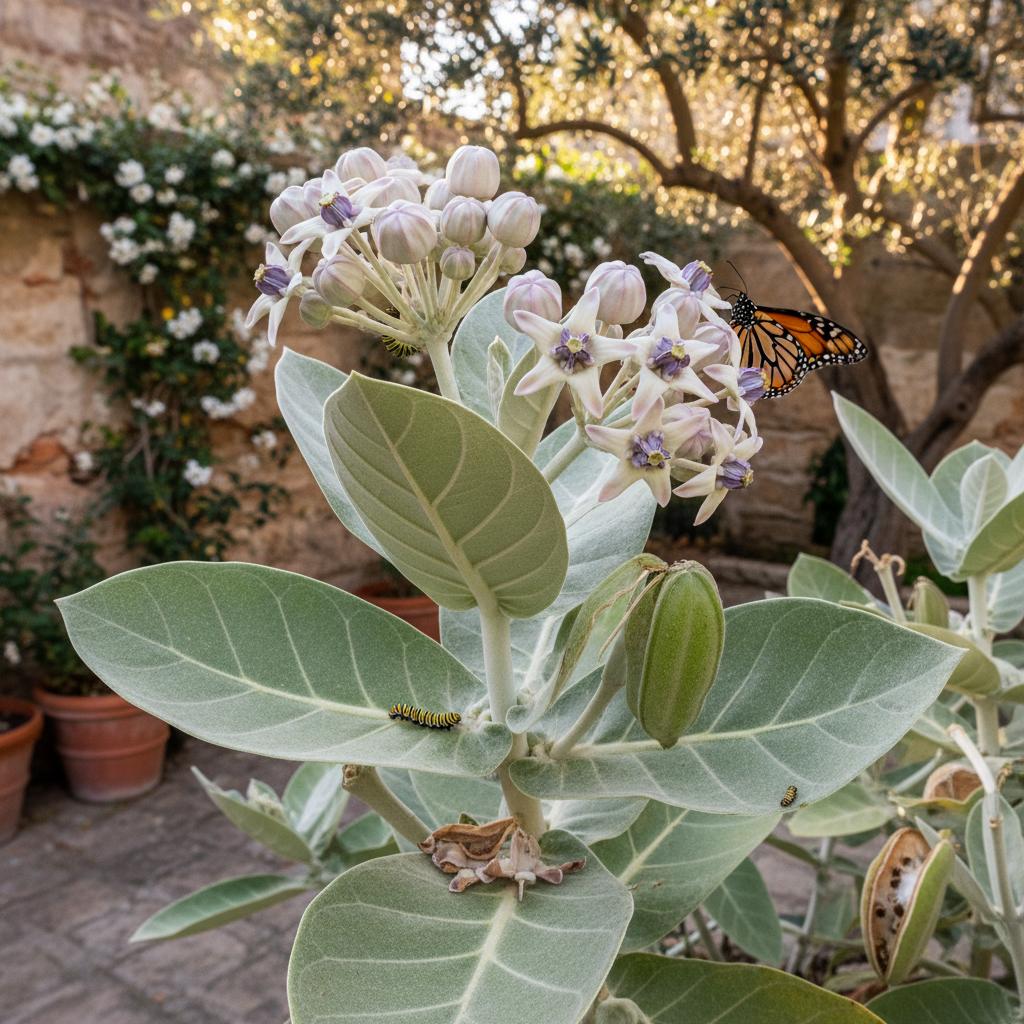
Milkweed Toxic?
All Asclepias species are confirmed toxic to cats, dogs, and horses regardless of variety
Toxic components include steroidal glycosidic cardenolides (cardiotoxins) and species-specific neurotoxins
Untreated ingestion can lead to life-threatening outcomes including coma, respiratory paralysis and death
FAQ
Is Milkweed toxic to Humans?
Limited documented clinical data; expected effects include gastrointestinal distress, cardiac rhythm abnormalities, and neurological symptoms with significant ingestion (Moderate)
Is Milkweed toxic to Cats?
Vomiting, profound depression, weakness, anorexia, diarrhea; may progress to seizures, breathing difficulty, rapid weak pulse, dilated pupils, organ failure, coma, respiratory paralysis and death (Severe)
Is Milkweed toxic to Dogs?
Vomiting, profound depression, weakness, anorexia, diarrhea; may progress to seizures, breathing difficulty, rapid weak pulse, dilated pupils, organ failure, coma, respiratory paralysis and death (Severe)
Is Milkweed toxic to Horses?
Vomiting, profound depression, weakness, anorexia, diarrhea; may progress to seizures, breathing difficulty, rapid weak pulse, dilated pupils, organ failure, coma, respiratory paralysis and death (Severe)
Toxicity Details
Limited documented clinical data; expected effects include gastrointestinal distress, cardiac rhythm abnormalities, and neurological symptoms with significant ingestion
Vomiting, profound depression, weakness, anorexia, diarrhea; may progress to seizures, breathing difficulty, rapid weak pulse, dilated pupils, organ failure, coma, respiratory paralysis and death
Vomiting, profound depression, weakness, anorexia, diarrhea; may progress to seizures, breathing difficulty, rapid weak pulse, dilated pupils, organ failure, coma, respiratory paralysis and death
Vomiting, profound depression, weakness, anorexia, diarrhea; may progress to seizures, breathing difficulty, rapid weak pulse, dilated pupils, organ failure, coma, respiratory paralysis and death
Toxicity Snapshot
First Aid & Prevention
First 30 Minutes
- • Immediately remove remaining plant material from the exposed animal's mouth and restrict further access to milkweed
- • If ingestion occurred within 2 hours and the animal is fully alert, do not induce vomiting unless explicitly directed by a vet
- • Collect a sample of the ingested plant for accurate veterinary identification and diagnosis
Contact Vet Immediately
- • Any confirmed or suspected ingestion of milkweed by cats, dogs, or horses
- • Onset of clinical signs including vomiting, lethargy, weakness, or seizures after exposure
- • Exposure to large quantities of milkweed, even if no symptoms are visible initially
Prevention
- • Remove all milkweed plants from yards, pastures, and areas accessible to pets and livestock
- • Supervise animals when outdoors in regions where wild milkweed grows natively
- • Avoid intentional planting of milkweed in pet-accessible spaces, even to support pollinators
Treatment & Prognosis
- • Veterinary gastrointestinal decontamination including activated charcoal administration or gastric lavage as appropriate
- • Symptomatic supportive care to control seizures, regulate cardiac function, and support kidney and liver performance
- • 24-72 hours of continuous monitoring for delayed organ damage or neurological complications post-exposure
Professional Toxicology
• Cardiotoxic cardenolides disrupt normal cardiac function by interfering with sodium-potassium ATPase pumps in cardiac muscle cells
• Neurotoxins target central and peripheral nervous system tissue, leading to impaired nerve signaling, seizures, and paralysis
Information from CliniTox veterinary text.
The following plants look similar and may be confused:
Related Toxic Plants


Download PlantFun App
Identify, grow and care for plants effectively!
Instant Plant ID
Take a photo to quickly identify plants.
Smart Care Reminders
Generate watering and care schedules.
Toxicity & Disease Diagnosis
Identify toxic plants and pests with treatment advice.

Data Sources
This information is for reference only and does not constitute medical advice. If ingestion or poisoning is suspected, seek medical or veterinary attention immediately.